
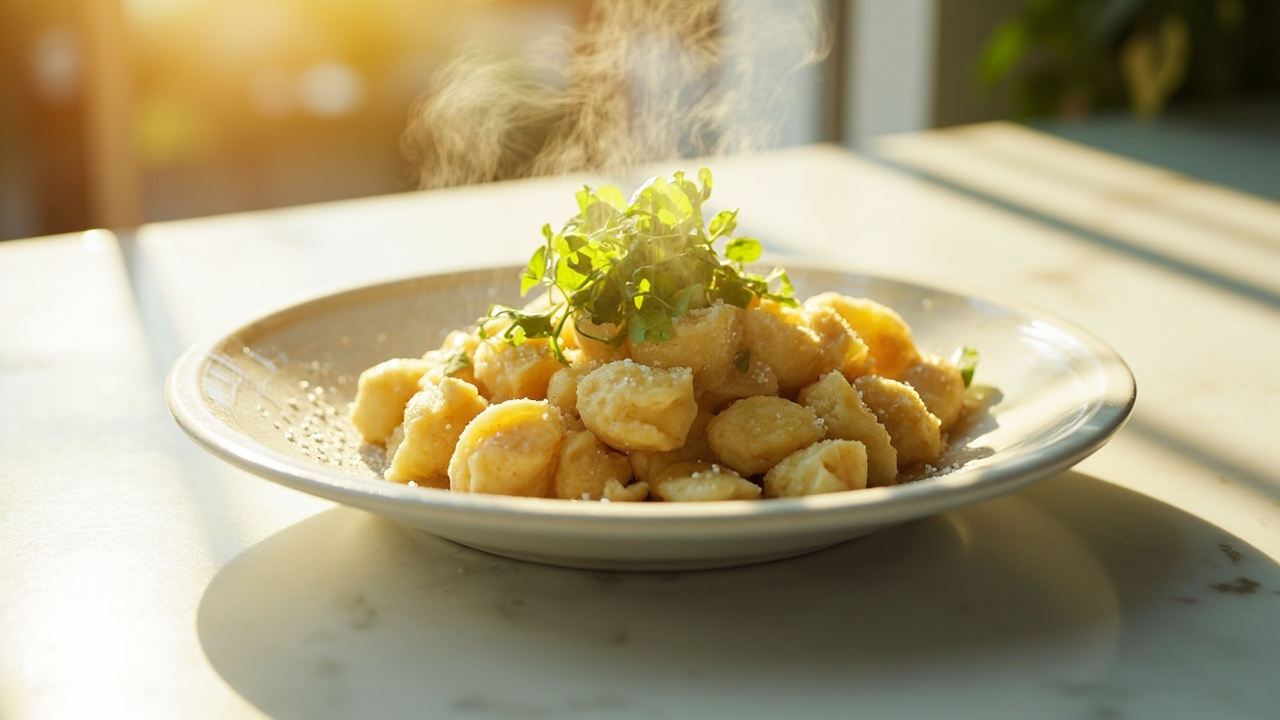
I love potato gnocchi because they feel like a warm hug on a busy weeknight, soft and pillowy with a tender chew and a faintly sweet potato flavor.
Potato gnocchi are a must-make when you want something comforting that still feels special.
You’ll notice the subtle butteriness on your tongue if you pan-fry them, and the light, cloud-like texture when you bite in after boiling.
They’re surprisingly easy to make at home, and once you know a few tricks, you’ll prefer homemade potato gnocchi to store-bought for texture and flavor.
This potato recipe fits right into easy potato recipes that transform humble ingredients into something memorable.

Potato Gnocchi
Equipment
- Potato ricer or masher – gives a fine, lump-free texture
- Large mixing bowl – for gentle combining
- Fork or gnocchi board – to shape ridges for sauce adherence
- Large pot – for boiling the gnocchi
Ingredients
- 900 g 2 lb Russet potatoes, baked or steamed and cooled slightly
- 200 g 1 2/3 cups All-purpose flour, plus extra for dusting
- 1 large egg about 50 g, beaten
- 10 g 2 tsp fine sea salt
- 30 g 2 tbsp unsalted butter, for finishing (optional)
Instructions
- Cook potatoes whole with skin on until fork-tender, about 45-60 minutes if baking at 200 C / 400 F. Hot potatoes steam slightly when halved – this reduces moisture and keeps dough light.
- Scoop warm flesh and pass through a ricer into a bowl, or mash very finely. The aroma will be warm and tuberous, and the texture should be completely lump-free.
- Add the beaten egg and salt, then sprinkle most of the flour over the potato. Use a light touch – combine gently with a bench scraper or hands just until a soft dough forms. It should be slightly tacky, not sticky.
- Turn dough onto a lightly floured surface and divide into 4 portions. Roll each into a 2 cm (3/4 inch) rope. You’ll feel the dough tighten slightly as you roll – that’s a good sign.
- Cut ropes into 2 cm (3/4 inch) pieces. For ridged gnocchi, press and roll each piece over a fork or gnocchi board; the grooves help sauce cling and release a toasted note when pan-fried.
- Bring a large pot of salted water to a gentle boil. Cook gnocchi in batches to avoid crowding; they float when done, about 2-3 minutes. The surface becomes glossy and the aroma turns slightly sweet and toasty.
- Remove with a slotted spoon to a warm pan with melted butter and fresh sage if you like, and toss until edges pick up golden crisp spots. That contrast between pillowy interior and seared edge is irresistible.
Notes
- Flour amount: Use as little as possible; too much makes dense gnocchi.
- Potato choice: High-starch russets yield the lightest texture.
- Shaping: Ridges are optional but help sauce stick and create crisp edges when pan-frying.
- Batch cooking: Cook in small batches to maintain a gentle boil and even cooking.
Potato Gnocchi Pantry: The Flavor Players That Make Magic
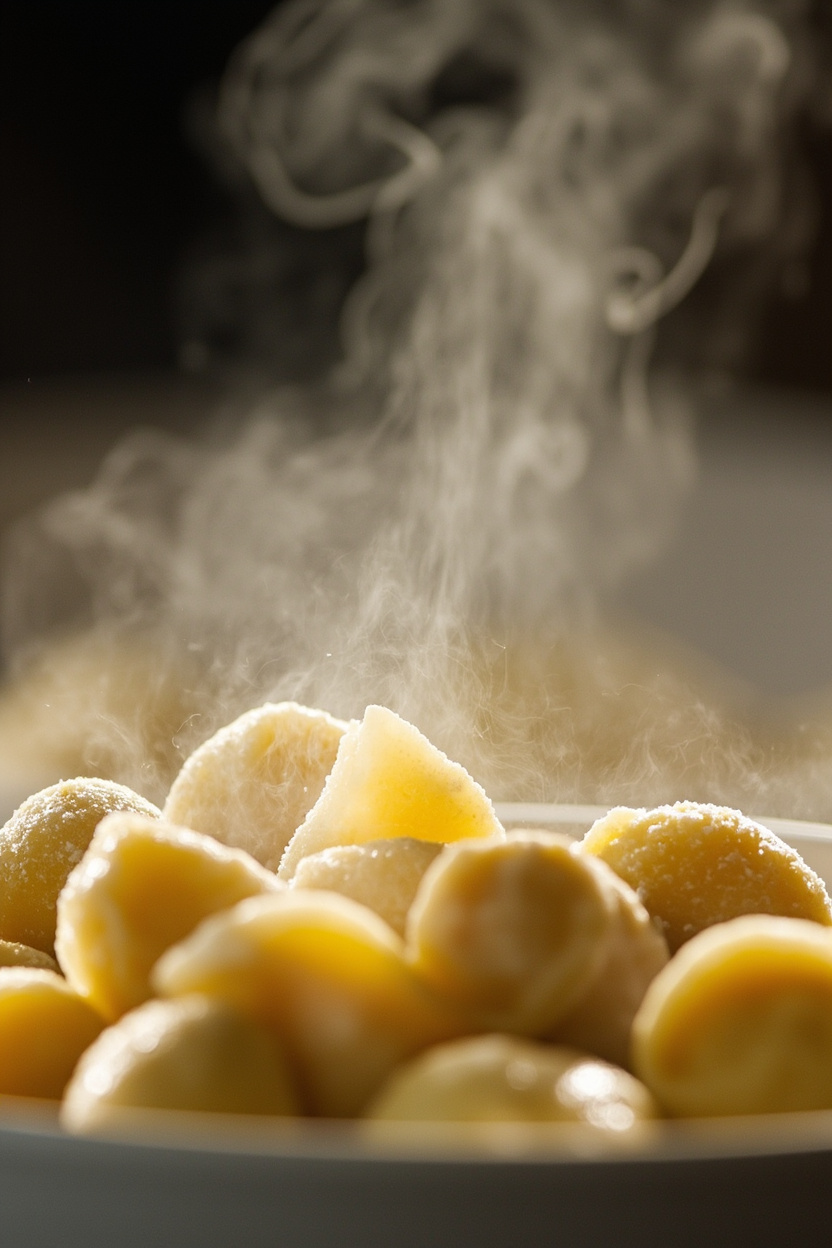
- 900 g (2 lb) Russet potatoes: high starch content yields dry, fluffy flesh ideal for light texture
- 200 g (1 2/3 cups) All-purpose flour: provides gluten structure to bind dough without weighing it down
- 1 large egg (about 50 g): adds protein and moisture, helping dough hold shape while contributing tenderness
- 10 g (2 tsp) fine sea salt: balances flavor and enhances the potato’s natural sugars
- 30 g (2 tbsp) unsalted butter: (optional) adds Maillard-rich browning and a silky finish
Polishing Pillowy Gnocchi: Hands-On Moves for Cloud-Like Texture
- Prepare the potatoes whole, skin on. Bake at 200 C / 400 F for 45-60 minutes or steam until a skewer slides in easily. The skin keeps steam in so the flesh dries slightly, which reduces moisture content and prevents gummy dough.
- While the potatoes are hot but manageable, halve and scoop the flesh onto a ricer. Press into a bowl – the potatoes will smell warm and earthy and feel fluffy. Avoid mashing by hand, which can activate excess starch and make the dough gluey.
- Add the beaten egg and salt, then sprinkle most of the flour over the potato mound. Use a gentle folding motion to mix. The dough should come together softly; you’ll feel a delicate tack but not stickiness. Overworking releases gluten and ruins the cloud-like texture.
- Turn the dough onto a lightly floured surface and divide it into four. Roll each piece into a rope about 2 cm thick. The surface should be smooth with a slight give when pressed, like soft playdough.
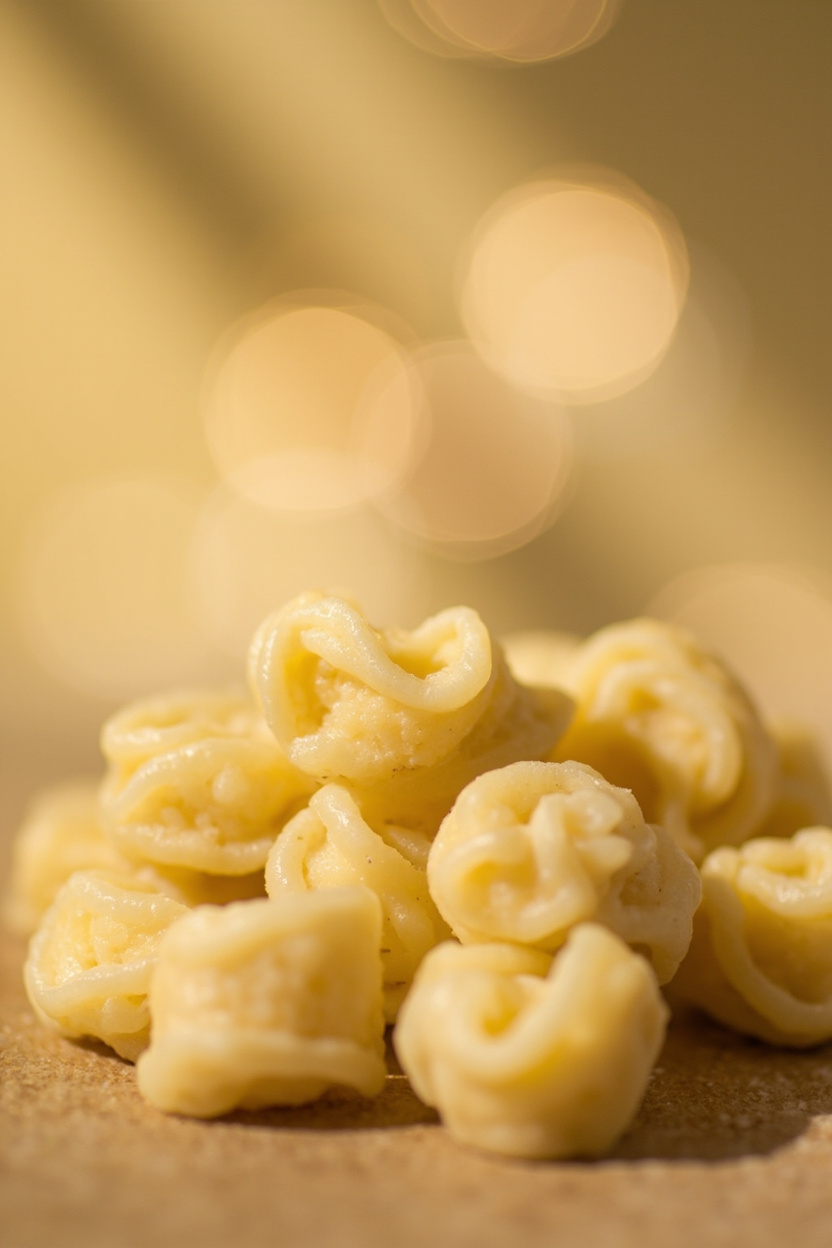
- Cut ropes into 2 cm pieces and shape each by pressing with a fork or rolling over a gnocchi board to create ridges. Those ridges trap sauce and add a pleasing textural contrast when you brown the edges later.
- Bring a large pot of well-salted water to a gentle boil. Cook in small batches so the water temperature stays steady. Gnocchi float when done, usually 2-3 minutes; they’ll look glossy and slightly puffed, and release a gentle potato aroma.
- Transfer to a warm skillet with brown butter, sage, or your favorite sauce. Toss just until edges pick up golden-brown spots. You’ll hear a soft sizzle and smell nutty butter – that contrast between tender interior and crisp edges makes homemade potato gnocchi feel indulgent.
Pro Tips: Avoiding Potato Gnocchi Pitfalls
Using hot, wet potatoes
If potatoes are too moist, you’ll need extra flour, which makes dense gnocchi. Fix it by baking potatoes long enough to dry the flesh, or let boiled potatoes steam off, cooling briefly before ricing.
Overworking the dough
Kneading or mixing too much develops gluten and makes gnocchi heavy. Stop as soon as the dough holds together, and keep movements light.
Too much flour
Adding flour to compensate for sticky dough can cause chewiness. Use minimal flour and chill the dough briefly if it feels too soft before shaping.
Crowding the pot
Overcrowded water drops the boil and leads to uneven cooking. Cook in small batches so each gnocco has room to float and cook through.
How to Store Potato Gnocchi?
- Room temperature: If you’ve shaped gnocchi and will cook within a couple of hours, dust them with flour, spread them on a tray, and cover loosely. They stay fine for up to 2 hours at room temperature.
- Fridge: Store cooked gnocchi in an airtight container for up to 3 days. Reheat gently in a skillet with a little butter or sauce to revive texture.
- Freezer: Flash-freeze shaped, uncooked gnocchi on a tray for 1-2 hours, then transfer to a freezer bag. They keep well for up to 2 months. Cook from frozen, adding a minute or two to the boiling time.
Nutrition Information for Potato Gnocchi
A typical serving offers moderate calories and carbohydrates from potatoes and flour, with protein from the egg.
Potatoes supply vitamin C and potassium, while using whole eggs adds nutrients. Standard gnocchi are not gluten-free unless you substitute gluten-free flour; they are dairy-free unless finished with butter.
Frequently Asked Questions
Yes, you can shape gnocchi and freeze them on a tray for up to 2 months. Cook directly from frozen in boiling water, adding a minute or two to the usual cook time.
Use high-starch russet or Idaho potatoes. Their dry, fluffy flesh needs less flour, which gives you the lightest, best potato gnocchi texture.
Traditional potato gnocchi use wheat flour, so they are not gluten-free. You can experiment with gluten-free flour blends, but texture and flour amounts will differ; try a tested gluten-free potato gnocchi recipe for best results.
If gnocchi are gummy, you likely used too much water or overworked the dough. For rescue, chill the dough, reduce flour slightly, and handle gently when shaping. For cooked batches, pan-frying can add texture but won’t fully fix internal gumminess.
