
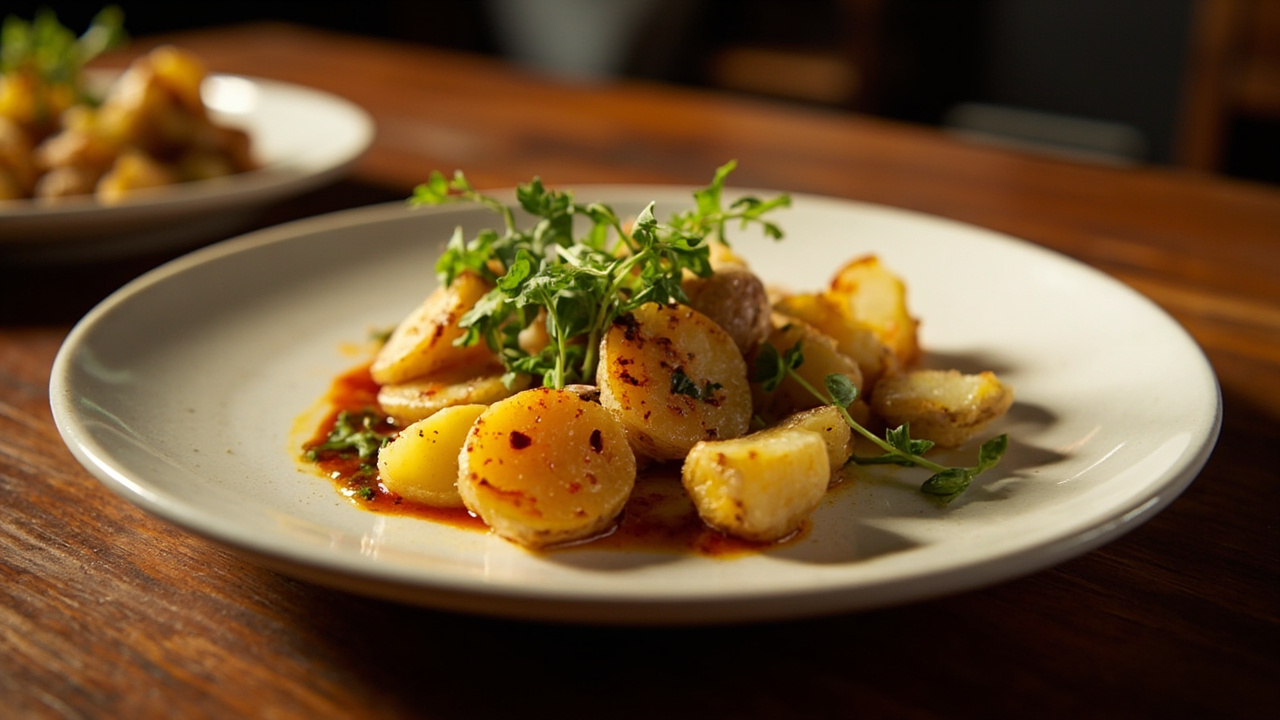
There’s something quietly luxurious about reheated spuds that have been given a second act. Leftover potato recipes can turn day-old roasties or cold mashed potatoes into crisp, golden delights with creamy interiors and toasted, nutty edges.
Think crackly skins, pillowy centers, and a hit of caramelized sweetness from browned bits.
You’ll want to make these because they’re fast, forgiving, and wildly satisfying, a must-make for nights when comfort and speed collide.

Leftover Potato
Ingredients
- 500 g leftover roast potatoes
- 2 tbsp olive oil 30ml
- 1 small onion 100g
- 2 cloves garlic 6g
- 30 g butter
- Salt and black pepper
- 15 g fresh parsley
Instructions
- Gently press potatoes to expose more surface area for browning.
- Sear in hot oil until edges turn deep golden brown and smell nutty.
- Add butter and garlic at the end to baste and perfume the potatoes.
Reasons to Make These Leftover Potato Recipes
Depth of flavor from Maillard reaction: Crispy reheated potatoes develop browned, savory compounds that create complexity beyond freshly boiled spuds. Those toasted edges carry concentrated sweetness and umami.
Textural contrast that satisfies: Using day-old potatoes lets you achieve a crunchy exterior while preserving a tender, creamy interior, a contrast chefs prize for mouthfeel.
Efficiency and sustainability: These leftover potato recipes stretch resources, converting leftovers into a refined plate with minimal effort and waste.
Versatility as a building block: Once crisped, potatoes pair with eggs, greens, herbs, and sauces, serving as a backbone for breakfasts, lunches, and dinner mains.
Pantry Magic: What Turns Leftover Potatoes into Stars?
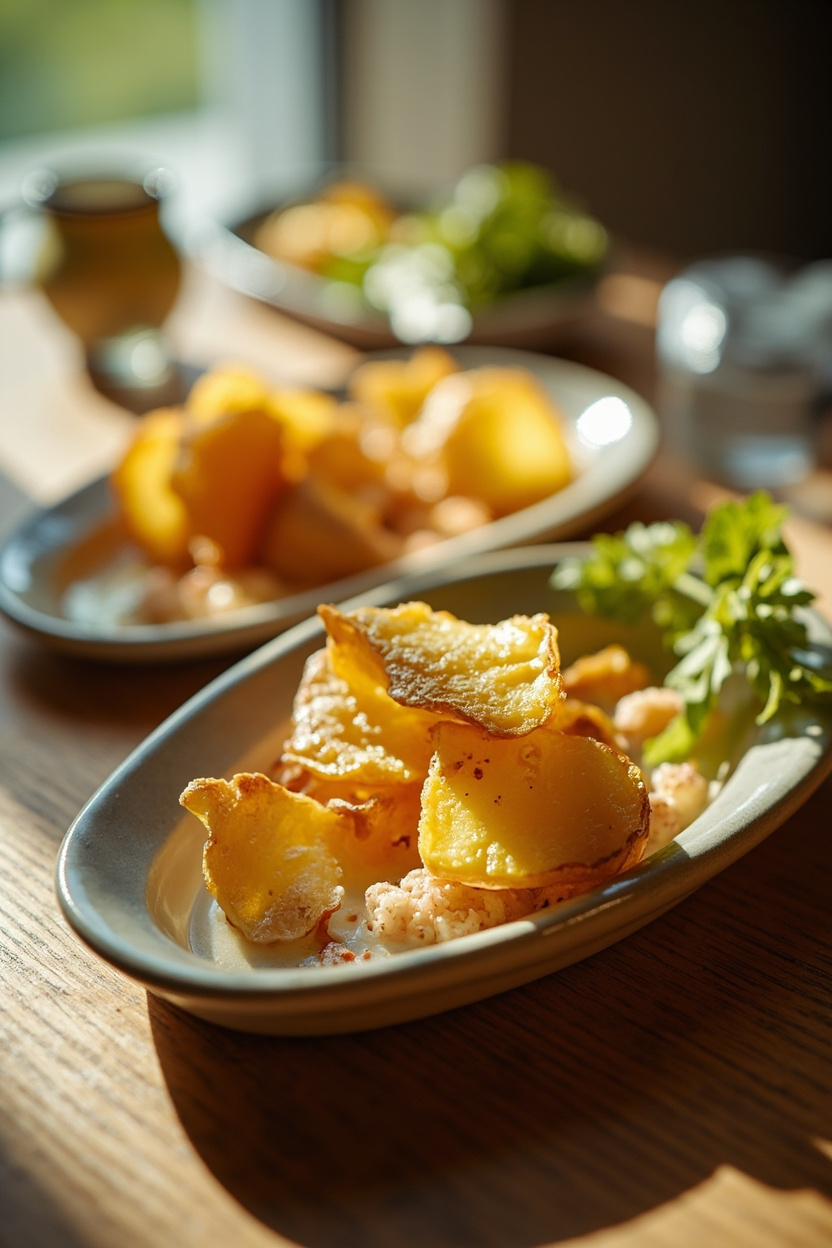
- 500g leftover roast potatoes: structural starch that browns and crisps when surface moisture is reduced.
- 2 tbsp olive oil (30ml): fatty medium for heat transfer and flavor solubility of herbs.
- 30g butter: milk fat promotes browning through butter proteins and adds silkiness.
- 1 small onion, 100g: contains fermentable sugars that caramelize and build aroma.
- 2 cloves garlic, 6g: contains sulfur compounds that amplify savory notes when gently heated.
- Salt, 5g: ionic seasoning enhances perception of all flavors via taste receptor modulation.
- Black pepper, to taste: adds aromatic piperine that heightens complexity.
- 15g fresh parsley: bright volatile oils that cut richness and refresh the palate.
Kitchen Tools You’ll Need
- Heavy-bottomed skillet or cast-iron pan.
- Spatula or fish turner for gentle pressing.
- Cutting board and chef’s knife.
- Microplane or grater for fresh pepper or zest.
Alchemy at the Skillet: Transforming Spuds into Something New
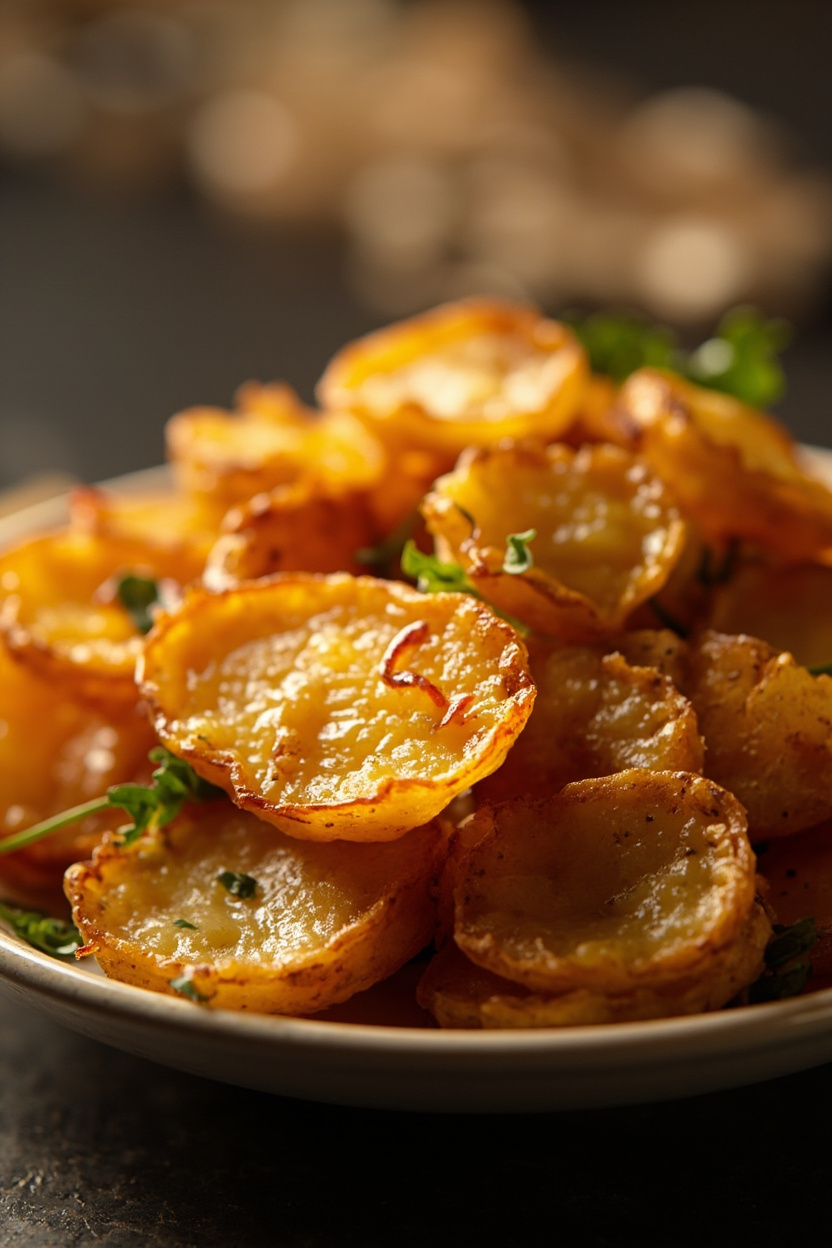
- Warm the pan over medium-high heat until it shimmers. Add the olive oil and swirl; you should see the oil ripple. This hot surface is critical to create that immediate sear and crunchy exterior.
- Toss in the roughly broken leftover potatoes in a single layer. Press each piece gently with the spatula to increase contact. You will hear a satisfying sizzle as moisture gives way and the crust forms.
- Let the potatoes brown undisturbed for 3-5 minutes. Watch for deep golden patches and a nutty aroma – those are Maillard flavors developing. Flip and brown the opposite side for color consistency.
- Push potatoes to one side. Add butter and the diced onion to the bare pan. The butter will foam, and the onion will soften, turning translucent and then taking on amber edges with a sweet, toasted scent.
- Stir the onion through the potatoes, add crushed garlic, and baste with the foaming butter for 30-60 seconds. The garlic will perfume the pan without burning, releasing aromatic oils that cling to the potato crust.
- Season with salt and freshly ground pepper. Break open a piece to test texture – the interior should be pillowy and moist, the exterior crisp and yielding a gentle crunch when bitten.
- Finish with chopped parsley to add a bright herbal lift. Serve hot so the contrast between the crunchy exterior and the creamy core is most vivid.
The Crispy Code: Tricks Chefs Use on Day-Old Potatoes
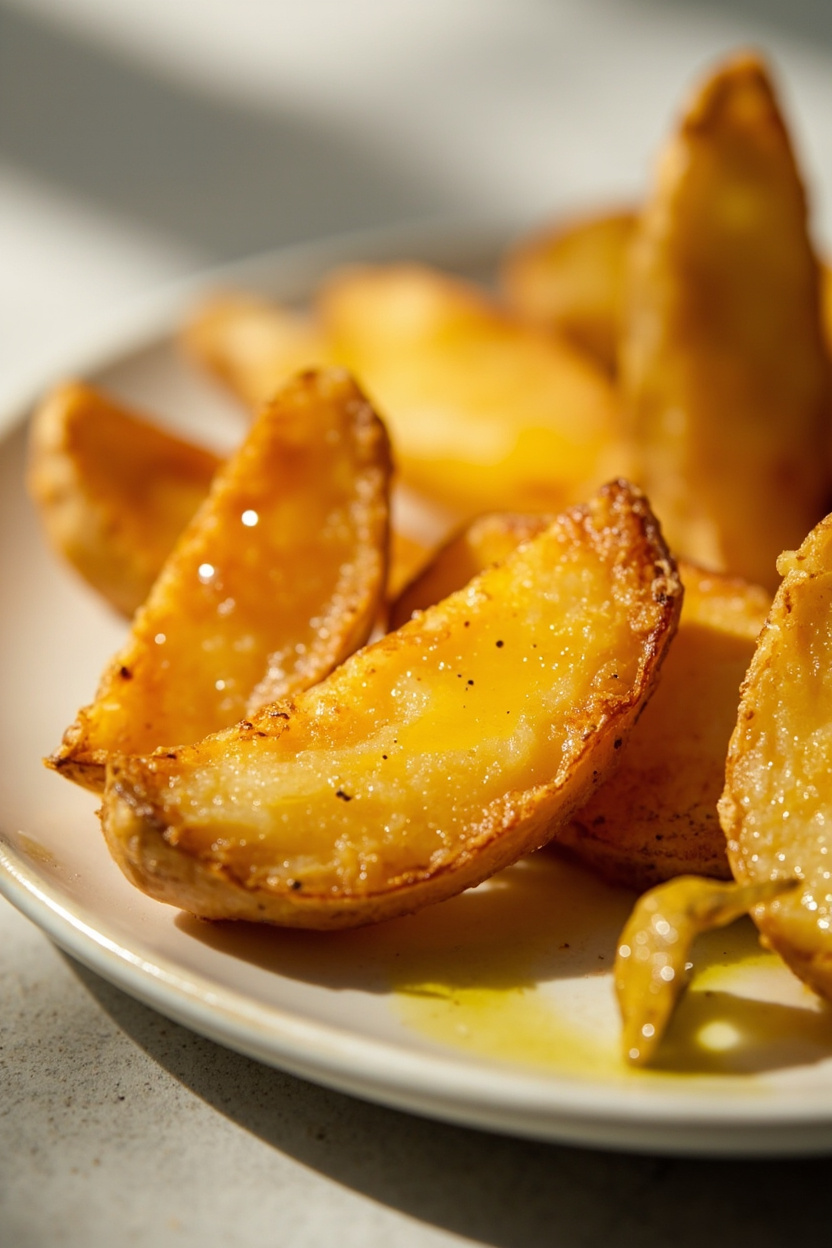
Use cold potatoes straight from the fridge
Cold potatoes have lower surface moisture and firmer structure, so they crisp faster and absorb less oil. Don’t overcrowd the pan – crowding traps steam and prevents browning.
Smash gently for more crust
Pressing or slightly smashing potatoes increases surface area and creates more edges that brown beautifully. Be gentle so you don’t turn them into mash unless you want that texture.
Time the aromatics
Add delicate aromatics like garlic and herbs near the end of cooking to keep them bright and avoid bitter, burnt notes. Start with onions earlier to coax their sugars out.
Finish with acid or crunch
A squeeze of lemon juice or a handful of toasted seeds at the end balances the richness and adds a contrasting texture, making these leftover potato recipes sing.
How to Store Leftover Potato Recipes?
- Room temperature: Don’t leave prepared potatoes out for more than two hours to avoid bacterial growth.
- Fridge: Cool and store in an airtight container for 3-4 days; reheat in a hot skillet to restore crispness.
- Freezer: Patties or smashed portions freeze well for up to 3 months; thaw in the fridge and re-crisp in a hot oven or skillet.
Variations and Substitutions
- Mashed potato cakes: Mix leftover mash with an egg and 50g breadcrumbs, pan-fry until golden.
- Mediterranean: Fold in olives, feta, and oregano for a briny, tangy twist.
- Breakfast hash: Add diced bell pepper and cooked bacon, and top with a fried egg.
- Vegan swap: Replace butter with coconut oil or vegan butter and finish with nutritional yeast for umami.
Nutrition Information
These leftover potato recipes are a good source of vitamin C, potassium, and resistant starch when cooled, which can benefit gut health.
Not high in protein unless paired with eggs or legumes. Naturally gluten-free; dairy can be omitted to make dairy-free and vegan-friendly.
Frequently Asked Questions
Store cooled potato dishes in airtight containers for 3-4 days. Reheat thoroughly in a skillet to regain crispness and ensure safety.
Yes, shape into cakes or portions and freeze for up to 3 months. Thaw overnight in the fridge and reheat on medium-high heat for the best texture.
They will if reheated in a microwave. For crispness, reheat in a hot skillet or oven so surface moisture evaporates and browning returns.
They can be, especially when combined with vegetables or lean protein. Cooling increases resistant starch content, which can be beneficial for blood sugar control.
