
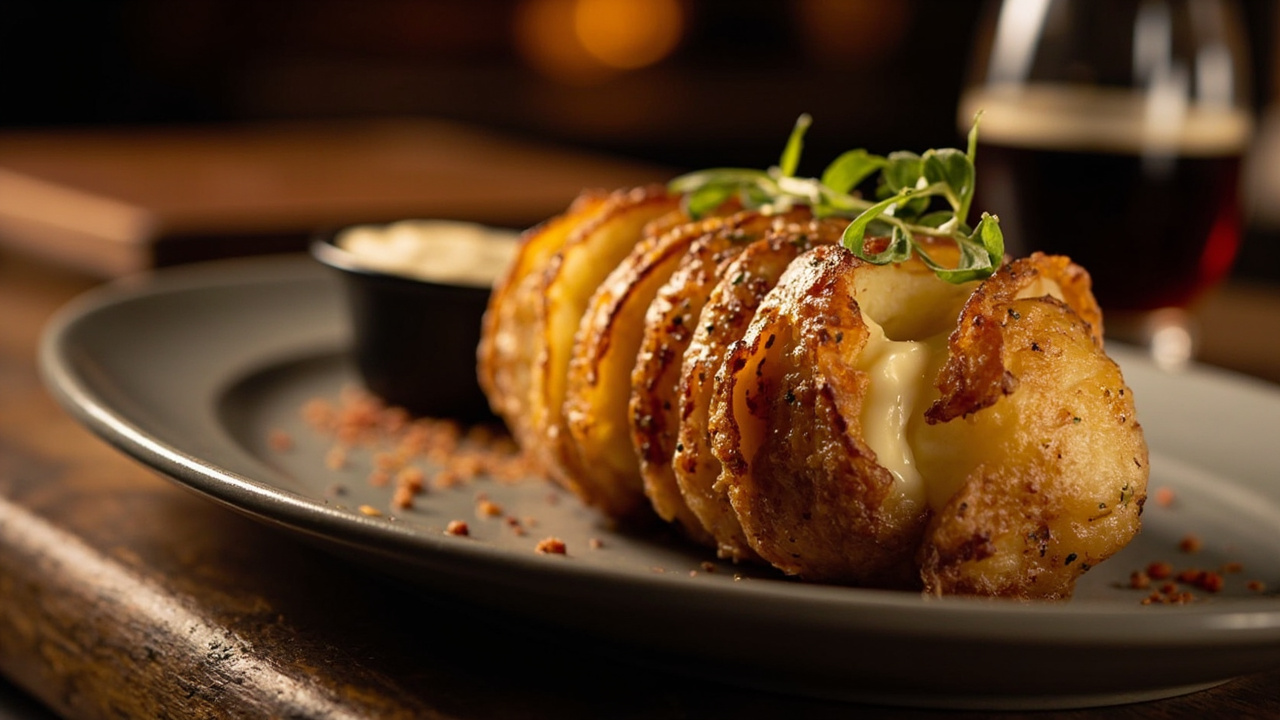
A steaming Texas Roadhouse potato arrives at the table with a crackling skin, fluffy snow-like interior, and a glossy pat of butter seeping into every crevice.
It’s simple comfort food elevated by technique, and why the Texas Roadhouse potato is a must-make for anyone chasing perfect baked potatoes at home.
Think of this as the secret version you’d pass to a friend, straightforward, precise, and tuned for texture.
I’ll walk you through the small technical moves that produce that iconic dry, crackling skin and an interior so light you’ll wonder how you ever ate a sad, gummy baked potato before.

Texas Roadhouse Potato
Ingredients
- 4 large Russet potatoes about 1.2 kg
- 2 tbsp kosher salt 30 g
- 2 tbsp vegetable oil 30 ml
- 60 g unsalted butter 4 tbsp
- Freshly ground black pepper to taste
Instructions
- Preheat oven to 230 C (450 F). Scrub potatoes and dry thoroughly.
- Prick each potato several times with a fork. Rub with oil and sprinkle with kosher salt.
- Place directly on oven rack for 45-55 minutes until skin crackles and a skewer meets no resistance.
- Remove and make a deep X on top. Squeeze to open, add butter and season with pepper. Serve immediately.
Why This is the Ultimate Texas Roadhouse Potato?
The chemistry is simple and reliable – Russet potatoes are high in dry starch and low in moisture, so when roasted at high heat, their interior turns ultra-fluffy while the skin dehydrates and crisps into a satisfying shell.
The oil acts as a heat-transfer medium on the skin, encouraging Maillard browning rather than steaming.
Salting the exterior both seasons the peel and draws out surface moisture, which helps create that signature crackle. Baking directly on the oven rack allows hot air to circulate fully, preventing soggy bottoms and ensuring uniform texture.
Finishing with butter immediately after opening traps steam in the interior, creating a silky, almost mousse-like crumb.
The combination of crisp shell and molten butter-soaked core is why this version ranks among the best Texas Roadhouse potato techniques.
Pantry Stars That Make a Texas Roadhouse Potato Sing
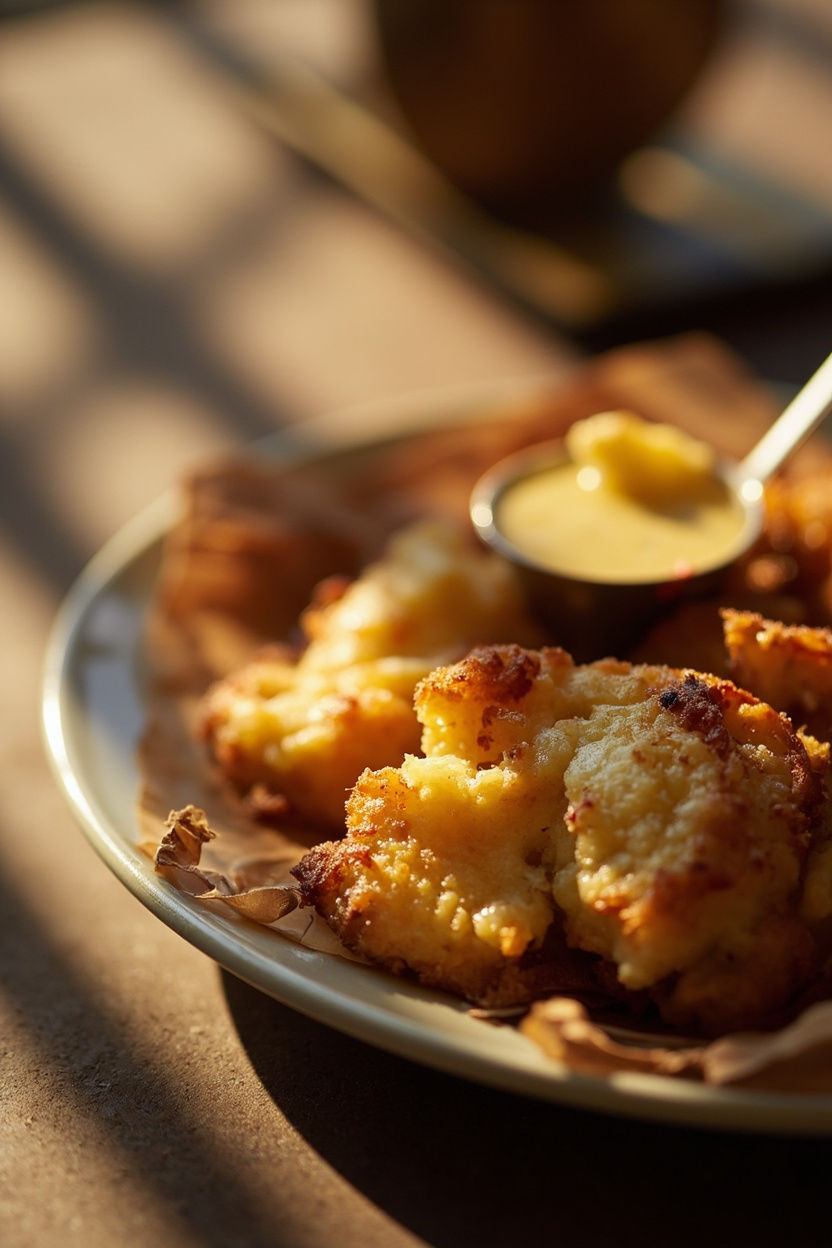
- 4 large Russet potatoes – 1.2 kg / 2.6 lb: High amylose starch content creates a light, fluffy crumb
- Kosher salt – 30 g / 2 tbsp: Osmosis pulls moisture from the skin to promote dryness and crisping
- Vegetable oil – 30 ml / 2 tbsp: Low smoke point neutral oil conducts heat to the skin for even browning
- Unsalted butter – 60 g / 4 tbsp: Saturated fats coat starch granules for a rich mouthfeel and glossy melt
- Freshly ground black pepper – to taste: Volatile aromatics enhance savory perception and contrast the sweetness of the potato
Kitchen Tools You’ll Need
- Sharp vegetable brush or scrub pad.
- Oven thermometer (optional, for consistent high heat).
- Fork or skewer for pricking.
- Baking sheet or direct oven rack use.
How to Forge That Fluffy, Butter-Soaked Roadhouse Center?
- Preheat the oven to 230 C (450 °F). If your oven runs cool, check with an oven thermometer. A hot oven creates the rapid surface dehydration you want. You should sense a dry, warm smell rather than a humid oven aroma.
- Scrub each russet under cold running water until dirt is gone. Pat them completely dry with a kitchen towel. Any lingering moisture will steam the skin and stop it from crisping properly.
- Prick the potatoes several times with a fork to let steam escape. Rub each potato all over with vegetable oil so the skin glistens. Sprinkle generously with kosher salt, feeling the coarse grains between your fingers as you coat them.
- Place the potatoes directly on the middle oven rack, spacing them so heat circulates. You should hear a faint sizzle as the oil meets the hot metal. Bake for 45-55 minutes, depending on size. You’re listening for a dull, brittle crackle from the skin.
- Test by inserting a skewer into the thickest part; it should glide through with almost no resistance. The interior should feel light when you squeeze the potato – a gentle give, not dense. The aroma will be toasty and sweet.
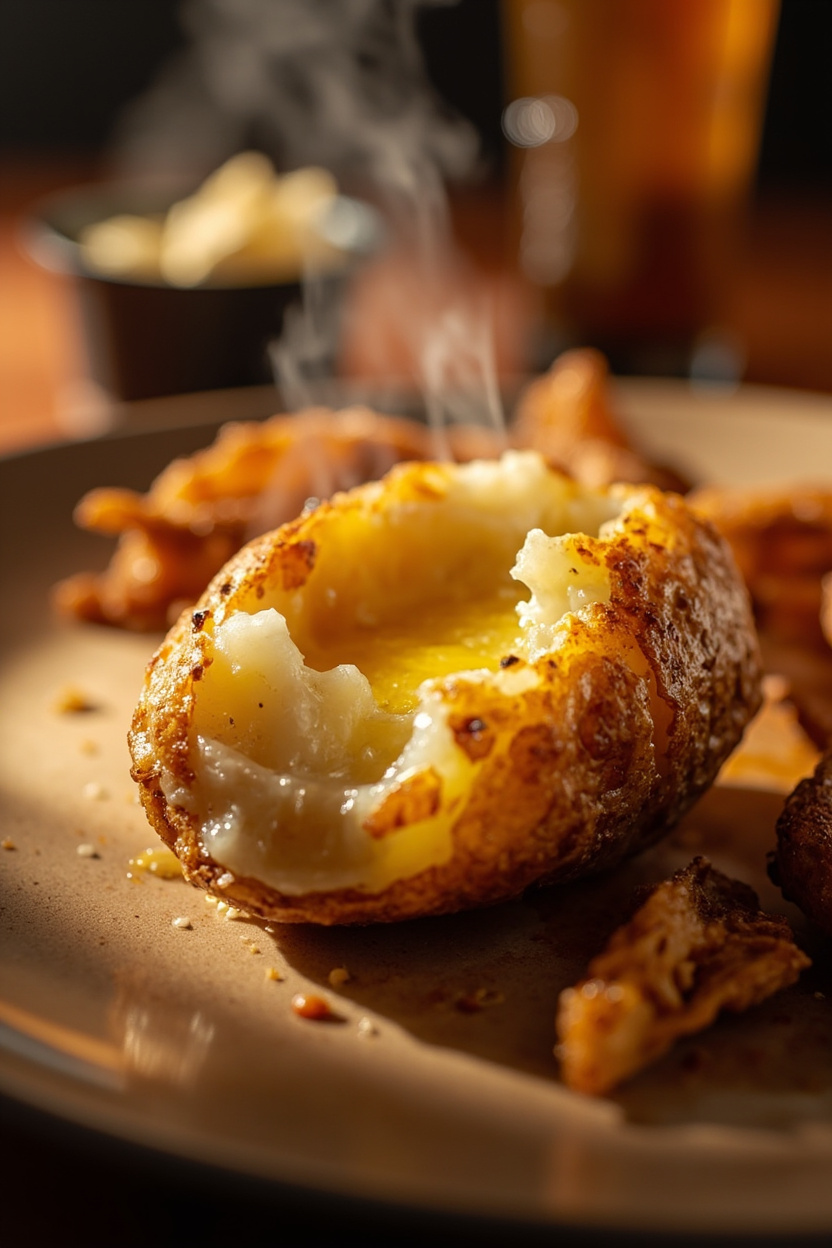
- Remove from oven and make a deep X across the top. Give a firm squeeze at both ends so the cavity opens. Place a generous knob of butter in the opening; it should melt instantly, pooling and steaming slightly.
- Season with freshly ground black pepper and a pinch more salt if needed. The first forkful should show a contrast of crunchy, lightly salted skin and airy, buttery interior that melts on the tongue.
Chef Shortcuts & Little Tricks for Legendary Crispiness
Salt Before and After
Salt the skins before baking to draw out moisture and again after baking if you prefer a more pronounced salty hit.
Pre-salting helps texture, post-salting sharpens flavor quickly.
Use the Right Potato
Choose large, evenly sized Russets for consistent cooking. Waxy varieties like Yukon Golds won’t fluff the same way because their lower starch and higher moisture yield a denser crumb.
Finish with Hot Butter
Soften butter slightly, but keep it cool enough to melt only when it meets the hot interior. The steam seals the pockets in the flesh, making the inside silky.
For a Roadhouse-style touch, try whipped honey cinnamon butter for sweet baked potato variations.
How to Store Texas Roadhouse Potatoes?
- Room temperature: best eaten within 2 hours for optimal crisp skin.
- Fridge: cool completely, wrap in foil or an airtight container, store up to 3 days; re-crisp in a 200 °C (400 °F) oven for 10-15 minutes.
- Freezer: freeze mashed or scooped flesh only for up to 3 months; baked whole freezes poorly because the skin loses texture.
Variations and Substitutions
- Twice-baked: scoop, mix with sour cream, cheddar, and chives, refill skins, and bake until golden.
- Garlic-herb butter swap: fold minced garlic and parsley into butter for savory depth.
- Sweet potato roadie: Use large sweet potatoes, lower oven to 200 °C (400 °F), and finish with cinnamon-honey butter.
- Keto tweak: serve halved with high-fat toppings like smoked salmon and crème fraîche instead of starchy sides.
Nutrition Information
A standard Texas Roadhouse potato supplies complex carbohydrates, vitamin C, potassium, and modest fiber.
Adding butter increases calories and saturated fat. The dish is gluten-free by nature but not dairy-free unless butter is omitted or substituted; it is not keto-friendly due to carbohydrate content.
Frequently Asked Questions
Expect 45-55 minutes at 230 °C (450 °F) for large russets; exact time depends on size and oven accuracy.
You can bake ahead and refrigerate up to 3 days, then re-crisp in a hot oven for 10-15 minutes before serving.
High heat, oil on the skin, and pre-salting to draw out moisture are the key factors for that crisp texture.
Potatoes offer vitamins and potassium; keep portion sizes and butter in check for a balanced choice.
