
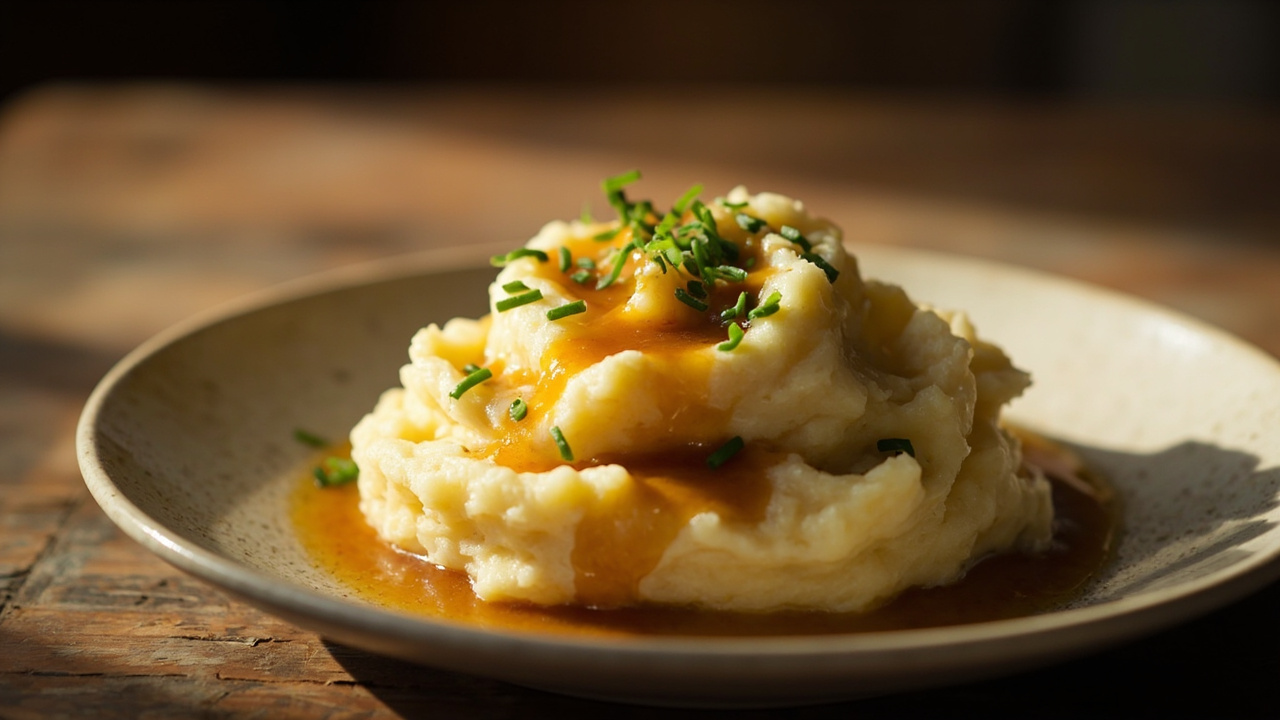
There’s something undeniably comforting about perfect mashed potatoes, pillowy, creamy, and carrying a whisper of butter and salt that makes every forkful irresistible.
The texture should be silk that still holds a gentle mouthfeel, the flavor rich but balanced, and the finish glossy without being greasy.
If you want a must-make side that elevates weeknight dinners and steals the show at holidays, mastering these perfect mashed potatoes will be your secret weapon.
I’ll walk you through why small steps matter, the science behind the creaminess, and the exact moves to get consistent results that taste like they came from a restaurant kitchen.

perfect mashed potatoes
Ingredients
- 900 g Yukon Gold or russet potatoes
- 120 g unsalted butter
- 240 ml whole milk
- 1 tsp fine sea salt
- Freshly ground black pepper
Instructions
- Peel and cut potatoes into even chunks, place in cold salted water.
- Simmer until very tender, drain and return to pot to dry.
- Mash with a ricer or masher, add butter and warmed milk gradually, season with salt and pepper.
Why This Perfect Mashed Potatoes Tastes So Good?
The starch structure of potatoes is the foundation – when cut into even pieces and cooked gently from cold water, starch gelatinizes uniformly, giving a creamy mouthfeel without gluey clumps.
Using a combination of Yukon Gold or russet balances dry starch and natural creaminess, so the texture is both fluffy and silky.
Warmed dairy integrates more smoothly because heated fat emulsifies with the potato’s starches, producing a glossy finish and richer flavor perception.
Salt in the cooking water seasons the interior, not just the surface, so every bite tastes complete.
Finishing with room-temperature butter first coats starch granules, creating a luscious mouth-coating richness, then adding warmed milk builds silkiness while preserving structure.
Gentle handling prevents overworking the potatoes, which keeps them light rather than gummy.
The Flavor Foundation: What Goes Into Unforgettable Mashed Potatoes?
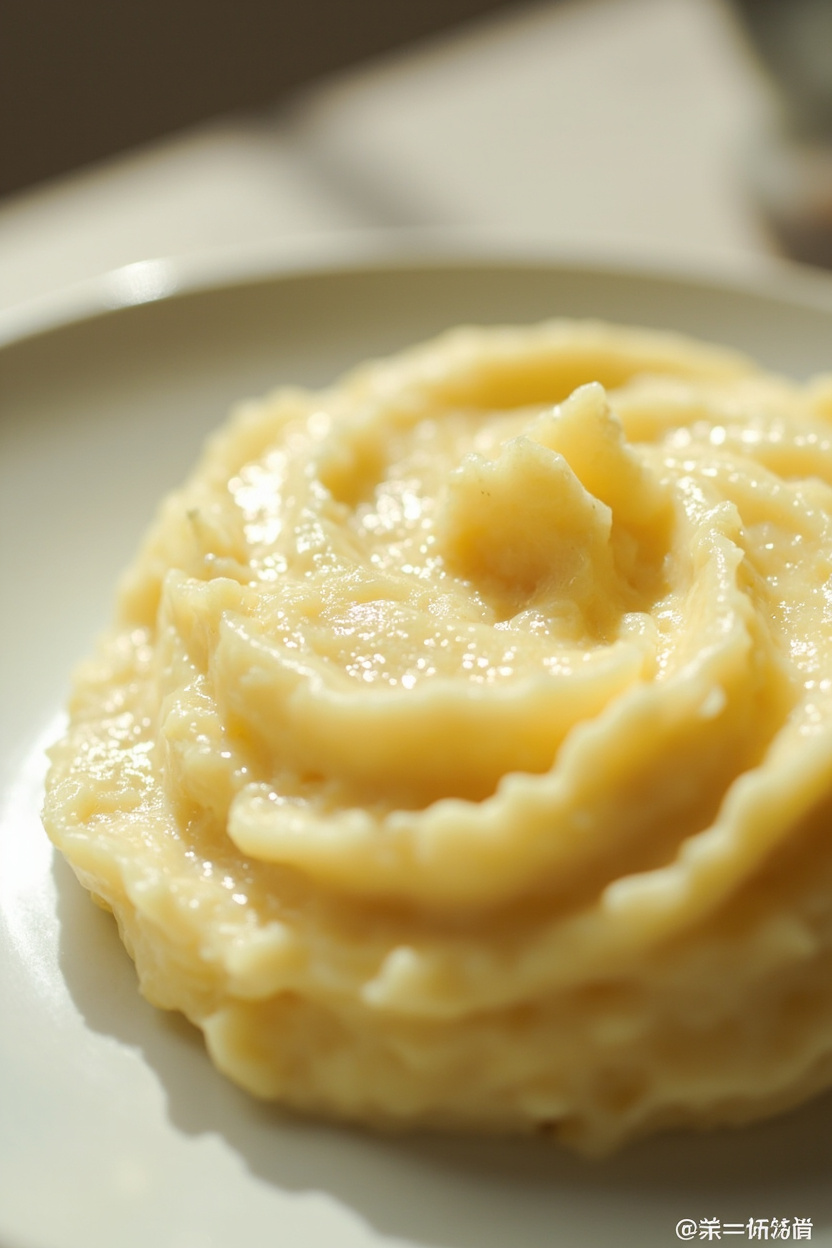
- 900g Yukon Gold or russet potatoes: 2 lb – balanced starch content; Yukon Golds add creaminess, russets give fluff.
- 120g unsalted butter, cubed: 1/2 cup – fat provides mouth-coating richness and carries flavor compounds.
- 240ml whole milk, warmed: 1 cup – water and fat bind with starch for silkier texture; warming prevents shock-cooling.
- 1 tsp fine sea salt: seasoning during cooking penetrates cells for even flavor distribution.
- Freshly ground black pepper: to taste – volatile aromatics heighten perception of creaminess.
Kitchen Tools You’ll Need
- Heavy-bottomed pot with lid.
- Potato ricer or hand masher.
- Fine-mesh strainer or colander.
- Small saucepan to warm milk and butter.
From Boil to Bliss: Transforming Potatoes into Silky Perfection
- Prepare and start in cold water: Peel potatoes and cut into even 2.5-3 cm chunks so they cook uniformly. Place in a pot and cover with cold water by 2 cm, and add 1 tsp salt. Starting cold ensures even gelatinization of starches.
- Bring to a gentle simmer: Heat over medium-high until it reaches a simmer, then lower to maintain a steady simmer – you should see small, steady bubbles. Cook until a fork slides through the largest piece with almost no resistance, about 15-20 minutes. You’ll smell a faint potato sweetness as starches release.
- Drain and dry: Pour potatoes into a colander and return to the still-warm pot off the heat. Shake the pot over low heat for 30-60 seconds to evaporate surface moisture; you’ll notice a faint toasty scent as the exterior dries slightly.
- Mash while hot: Press potatoes through a ricer into the warm pot or use a masher; work quickly while hot so the starch granules remain loose and receptive to fat. The texture should look pillowy with tiny air pockets, not gummy or gluey.
- Coat with butter: Add cubed butter and fold gently so each bit melts into the hot potatoes. The butter first coats starch, giving a glossy, rich mouthfeel. You’ll see the mash become silkier immediately.
- Incorporate warmed milk: Warm the milk and a splash of reserved potato cooking liquid together until near-simmering, then add gradually until you reach the consistency you like. Stir gently for a few seconds – you want satiny flow, not thin soup.
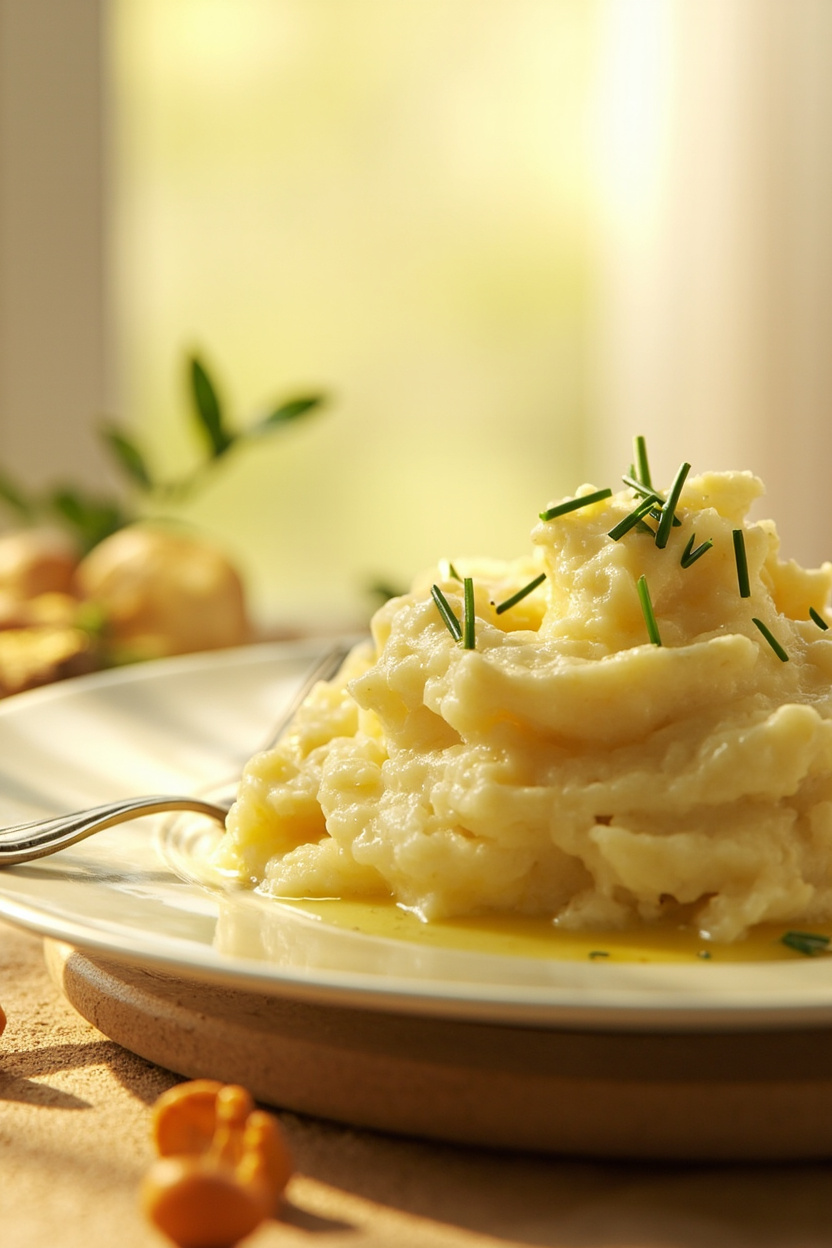
- Season and serve: Taste and adjust salt and pepper. Serve hot, spooned into a bowl with a pat of butter or a drizzle of olive oil. The aroma should be buttery with a hint of roasted potato sweetness.
Chef’s Little-Loved Tricks for Lofty, Lump-Free Mash
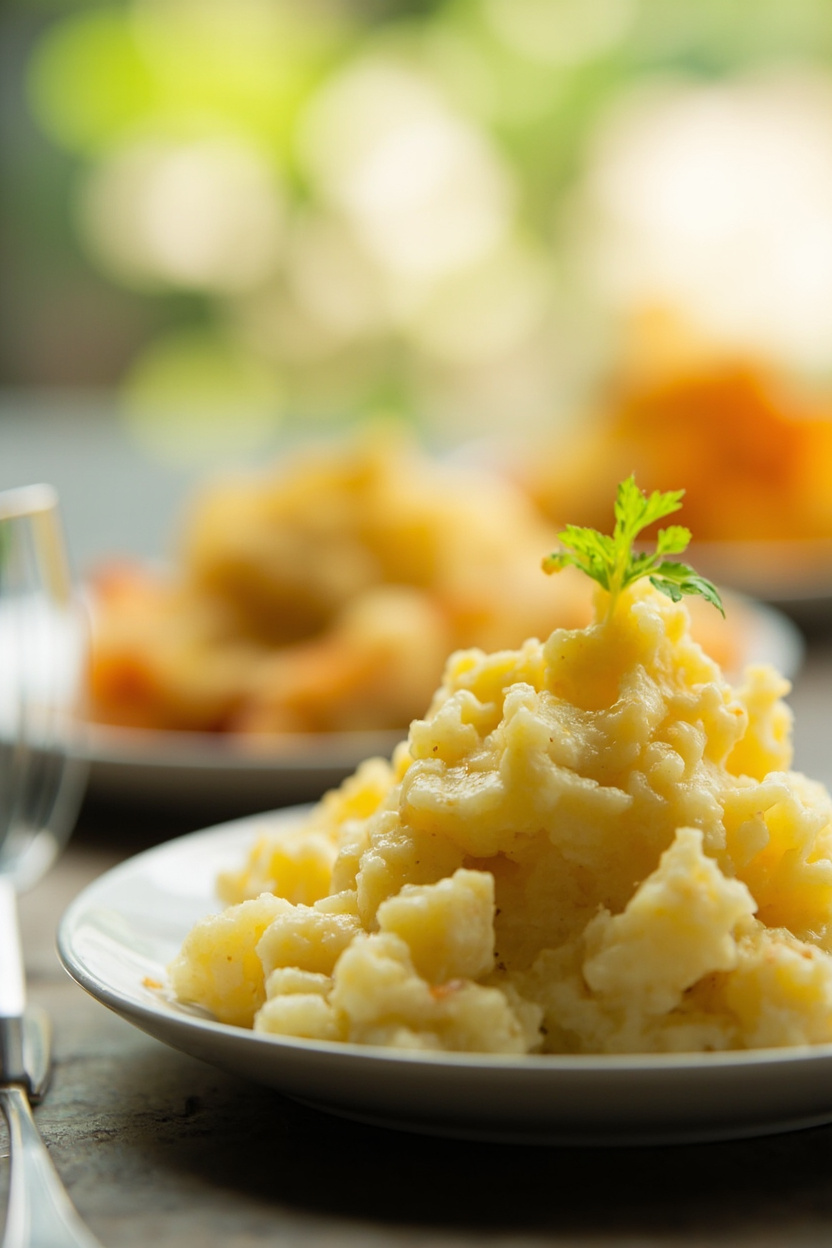
Pick the right potato
Yukon Golds are my everyday go-to because they combine sufficient starch with a naturally creamy texture, so you get a velvety mash without drying out.
Use russets if you want the fluffiest, lightest texture; they absorb dairy exceptionally well.
Warm dairy, always
Cold milk or cream cools the potatoes and can introduce an unpleasant, gluey texture as starches seize.
Gently heat milk and butter together before adding; it blends seamlessly and keeps the mash glossy.
Don’t overwork the potatoes
Using a stand mixer or blender will over-develop starch and make the result gluey.
Stick to a ricer or sturdy masher and fold ingredients snugly until combined. Minimal stirring preserves air and yields loftier mash.
Use cooking water for texture control
Reserve a small cup of the cooking water; its thin starch content helps loosen the mash without diluting flavor the way extra milk might.
Add a tablespoon at a time to adjust consistency.
How to Store Perfect Mashed Potatoes?
- Room temperature: Keep covered for up to 2 hours, ideal for serving at gatherings.
- Fridge: Transfer to an airtight container and refrigerate for up to 4 days; reheat gently with a splash of milk.
- Freezer: Freeze in portions for up to 3 months; thaw in the fridge overnight and reheat with butter and milk, stirring to restore creaminess.
Variations and Substitutions
- Garlic and herb: Simmer garlic cloves with potatoes, mash, then stir in chopped chives and parsley.
- Cream cheese and sour cream: Substitute half the milk with sour cream and fold in 60g cream cheese for tangy richness.
- Olive oil and roasted garlic: For dairy-free, use good olive oil and roasted garlic for a silky flavor.
- Truffle or mushroom: Stir in a teaspoon of truffle oil or sautéed mushrooms for an earthy, luxurious twist.
Nutrition Information
Mashed potatoes provide potassium, vitamin C, and moderate protein from dairy. A typical serving is calorie-dense due to butter and milk, so portion accordingly.
This recipe is naturally gluten-free; not dairy-free or keto-friendly unless you swap ingredients.
Frequently Asked Questions
Start potatoes in cold water, use a ricer or masher, warm dairy before adding, and avoid overmixing. Work while the potatoes are hot and add liquids gradually.
Yes, you can make them a day ahead and refrigerate. Reheat gently with a bit of milk and butter, stirring until silky.
Yes. Cool completely, portion into airtight containers, and freeze up to 3 months. Thaw overnight and reheat slowly with extra milk.
