
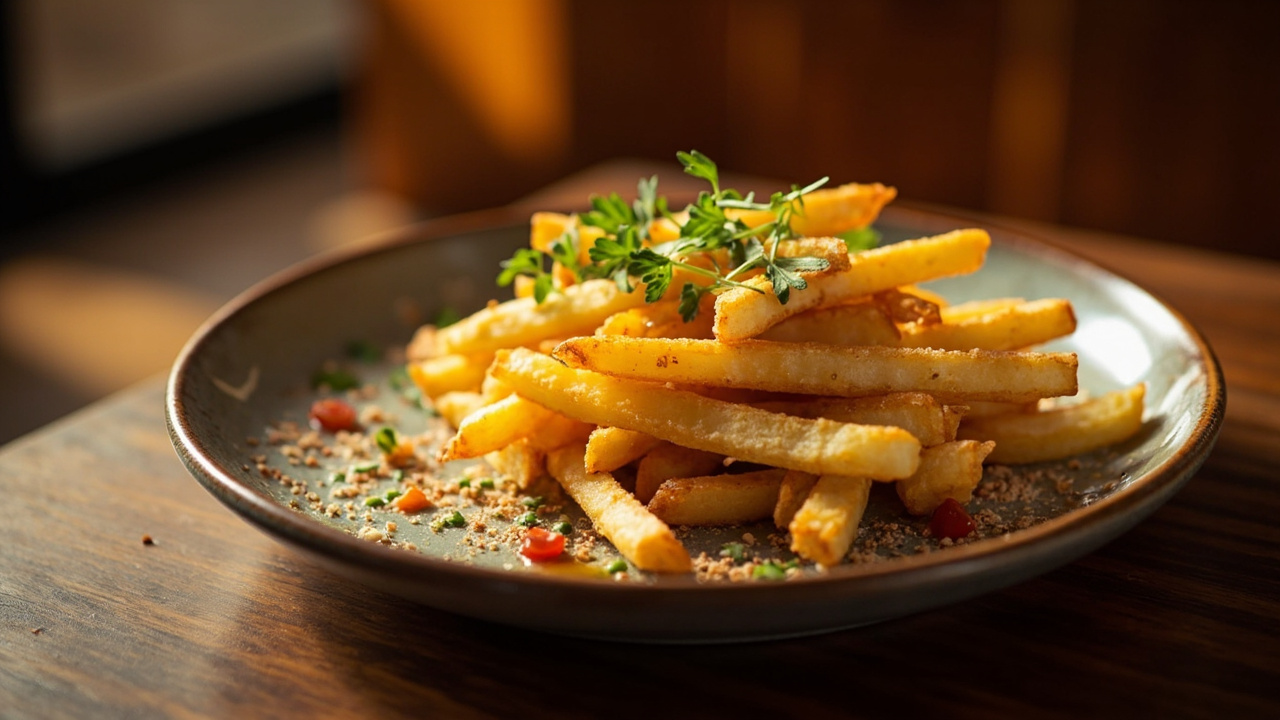
There are few comforts as reliably craveable as a platter of golden, hand-cut steak fries. Steak fries marry a rock-hard exterior with a pillowy interior, offering a rustic bite that sings with the purity of potatoes and salty, herb-scented echoes.
They’re hearty, forgiving, and the ideal companion to a seared steak or a weekend burger. If you want a simple recipe that rewards patience and technique, these steak fries will become your go-to for dinner parties and lazy Sundays alike.
Why This Steak Fries Recipe Works?
- The parboiling with baking soda alters the potato’s surface chemistry, increasing pH and creating a rough exterior that crisps rapidly under high heat. This gives steak fries their signature crunchy shell.
- Thick cuts preserve a higher starch-to-water ratio in the center, so the interior becomes tender and fluffy while the exterior caramelizes, delivering pleasing textural contrast.
- Using neutral oil at a high oven temperature lets Maillard reactions run wild without burning. The oil transfers heat evenly and helps seasoning stick.
- Scuffing the potatoes after draining increases surface area for browning and traps air pockets that steam into that irresistible fluffy crumb.
Roots, Oil & Salt: The Essential Cast for Legendary Steak Fries
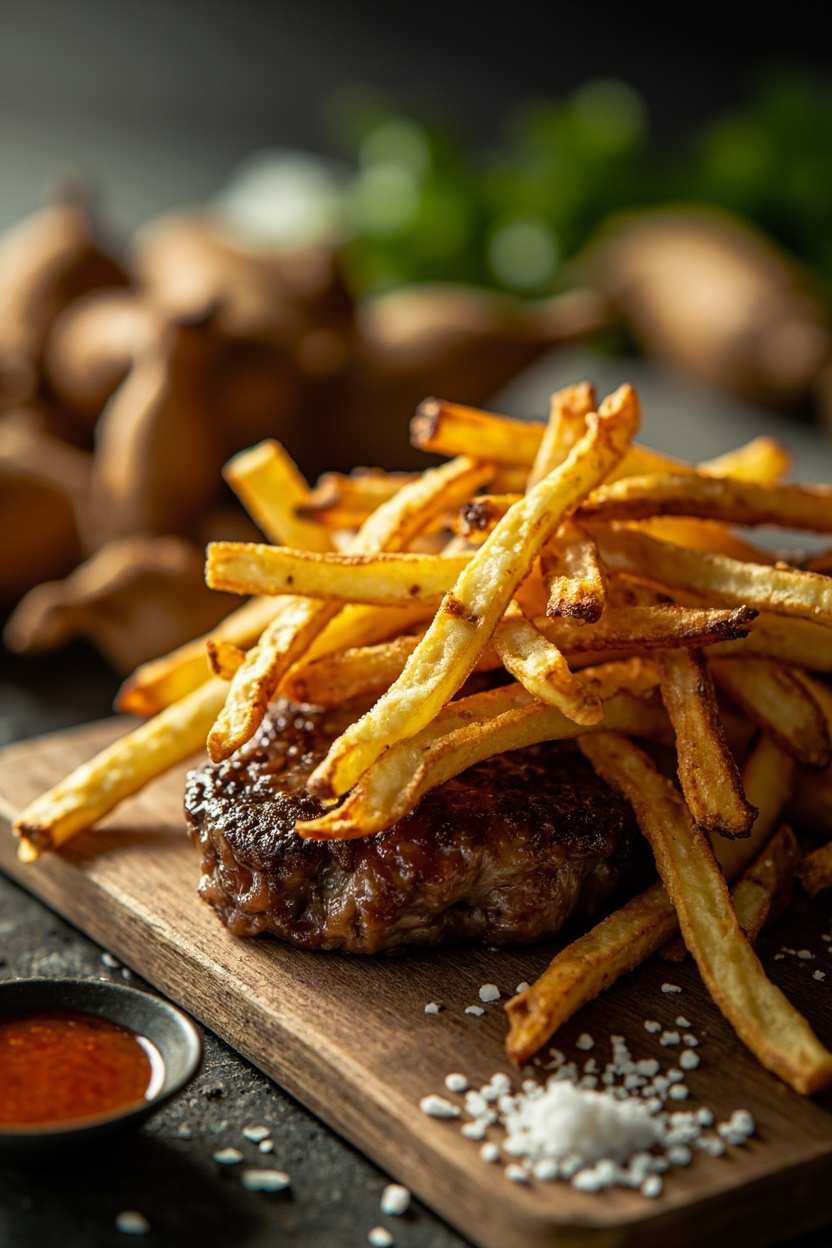
- 900 g Yukon Gold or Maris Piper potatoes – 2 lb – medium starch content gives a creamy interior while holding shape under heat
- 2 tbsp neutral oil (e.g., sunflower or grapeseed) – 30 ml – high smoke point that promotes even browning without flavor interference
- 1 tsp baking soda – 5 g – raises surface pH to break down pectin and roughen skins for better crisping
- 12 g fine sea salt – 2 tsp – ionic salt enhances sweet, starchy notes through flavor balance and osmotic seasoning
- 2 tsp smoked paprika – 4 g – provides aromatic phenols and a warm color that complements Maillard browning
- Black pepper, freshly ground – to taste – volatile terpenes provide a bright, sharp counterpoint to potato richness
Kitchen Tools You’ll Need
- Large pot for parboiling.
- Heavy baking sheet or roasting pan.
- Kitchen thermometer or oven that holds steady at 220 °C.
- A colander and a clean tea towel or the pot lid for shaking.
From Rough Cut to Golden Crunch: How These Fries Come Alive
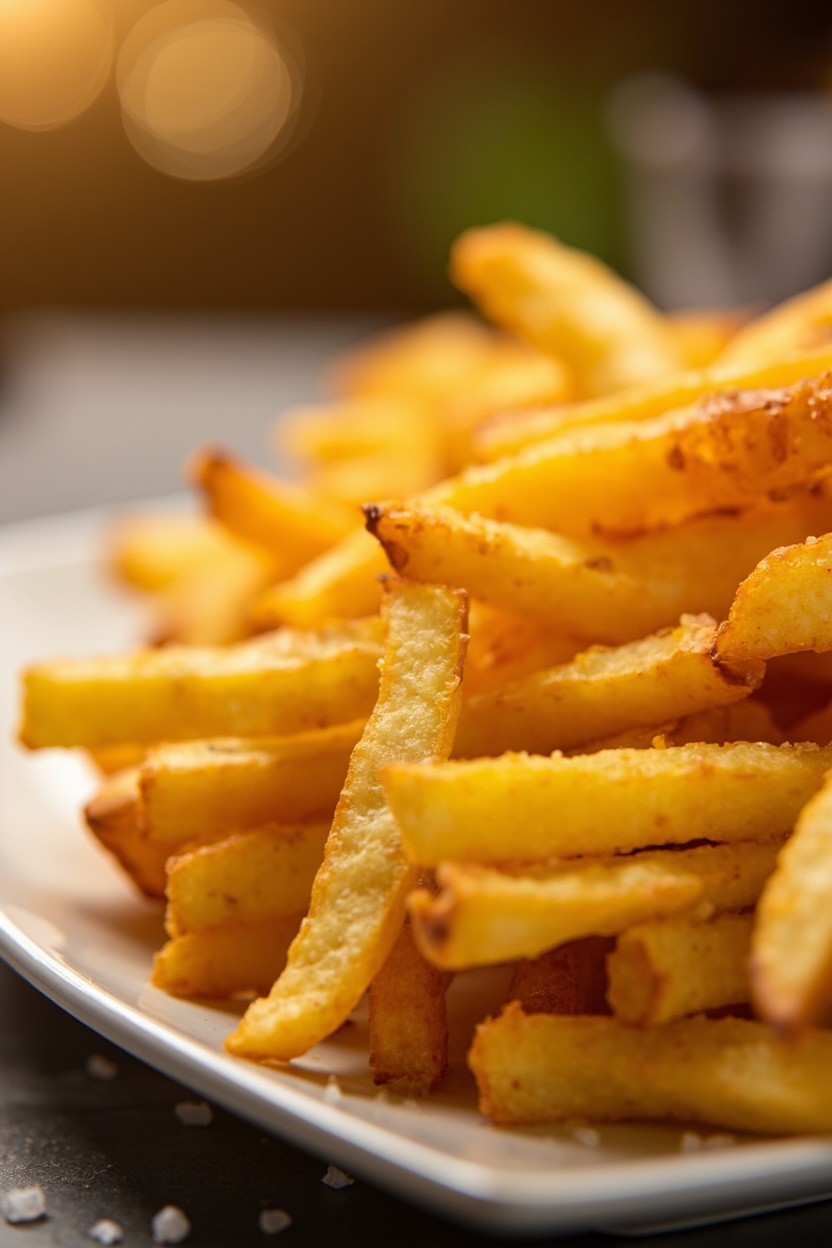
- Wash and scrub the potatoes. Keeping the skin on lends texture and nutrients. Cut each potato into thick wedges about 2 cm at the thickest point for that steak fries heft.
- Fill a large pot with cold water, add a generous pinch of salt and the baking soda. Add the wedges and bring to a gentle simmer. Parboil for 6-8 minutes until the edges soften but the centers are still firm. You’ll smell a faint cooked potato aroma and see tiny fissures form at the edges.
- Drain thoroughly and return potatoes to the pot. Cover and shake vigorously, or toss gently with a lid on to roughen surfaces. The wedges should look slightly matte and textured – that’s the surface you want for crunch.
- Preheat the oven to 220 °C and warm the baking sheet in the oven. Toss the potatoes with oil, smoked paprika, salt, and pepper. The oil should evenly coat each wedge so they sizzle when they meet the hot metal.
- Spread the wedges in a single layer on the hot tray with even spacing. Roast for 12-18 minutes, flip, then roast another 12-17 minutes until deep golden-brown and crackling. You should hear a faint crisp when you tap the skin and see steam release as you pierce the center.
- Remove to a cooling rack for a minute to keep the bottoms crisp. Finish with a light sprinkle of sea salt and serve immediately with your favorite dip or alongside a seared steak for the classic steak frites pairing.
Crisp Code: Chef-Grade Secrets for Rock-Hard Exteriors
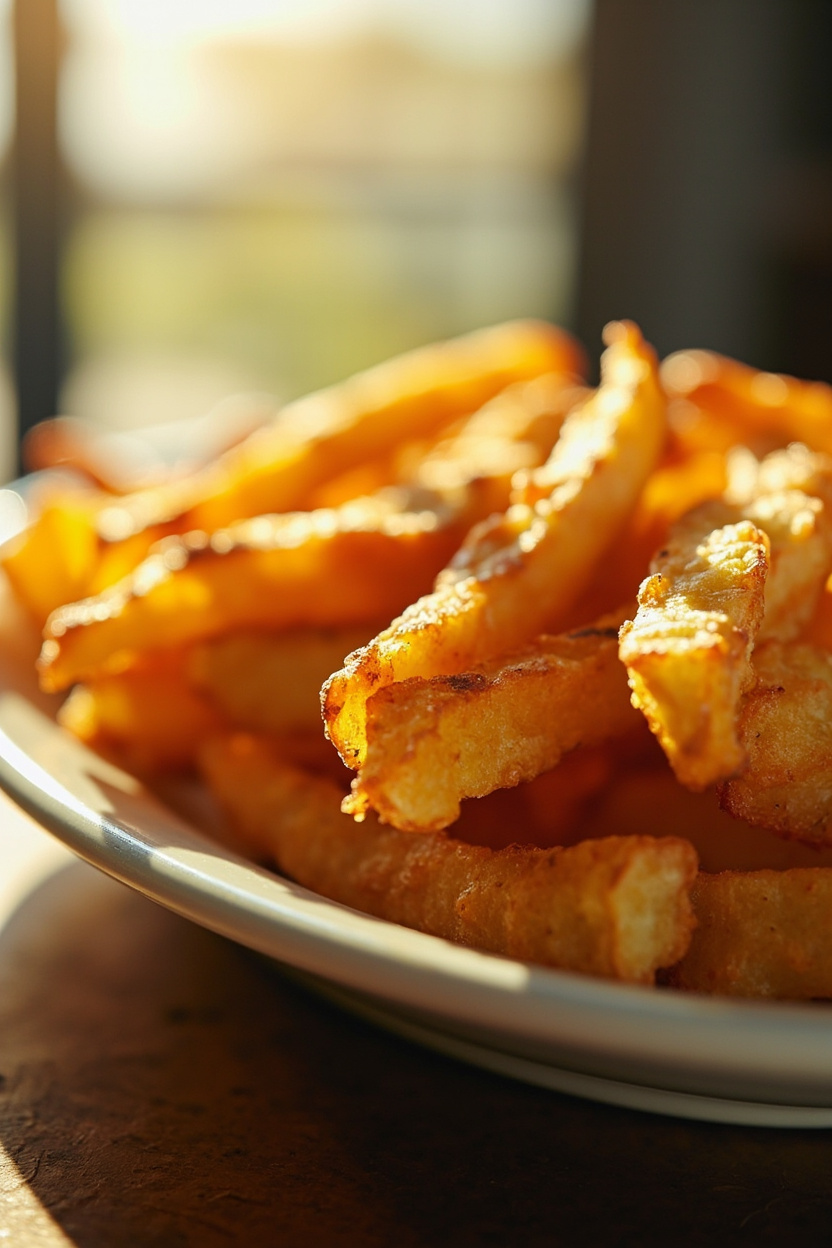
Parboil with Purpose
Parboiling is non-negotiable for true steak fries. The brief simmer gelatinizes the outer starch and softens the interior just enough so the exterior can become aggressively crisp without drying the center. Add baking soda for that extra textural edge.
Use High, Dry Heat and a Hot Tray
A screaming-hot tray ensures immediate searing and rapid moisture loss at the surface. That quick browning builds the crust before steam can collapse the structure, so preheat the tray and space the wedges out.
Shake to Scuff
Aggressive shaking after draining roughs the surfaces, creating nooks that brown beautifully. Those irregularities hold more seasoning and develop crunchy pockets that contrast the fluffy interior.
Finish Bold
Add salt after roasting so the crystals stay intact and provide crunchy bursts. Consider finishing oils like garlic-infused oil or a squeeze of lemon for brightness, but apply sparingly to avoid sogginess.
How to Store and Freeze?
Room temperature: Serve immediately for best texture; fries soften quickly at room temperature after 10-15 minutes.
- Refrigerator: Keep cooled fries in an airtight container up to 3 days; re-crisp in a hot oven or air fryer.
- Freezing: Flash-freeze on a tray, then transfer to a freezer bag for up to 3 months. Reheat from frozen on a baking sheet at 220 °C until hot and crisp.
Seasonal Variations & Pro Swaps
The Seasonal Edge: These steak fries peak in late fall and winter when starchy potatoes are at their best, offering drier flesh that crisps more reliably.
Cooler months also pair well with heartier sauces and roasted meats.
Try these variations:
Herb & Parmesan: Toss with finely grated Parmesan and chopped rosemary after roasting for a savory finish.
- Chili-Lime: Add lime zest and chili powder for bright, zesty fries that cut through rich mains.
- Truffle Butter: Finish with a drizzle of truffle butter and flaky salt for an indulgent, restaurant-style touch.
- Sweet Potato Swap: Use sweet potatoes and reduce oven time; expect a softer interior and sweeter profile that sings with smoky paprika.
Frequently Asked Questions
Yes. Fry twice at 160 °C then 190 °C for perfect texture, but roasting is safer and easier at home.
Keep the skin on for flavor, texture, and nutrition. It also helps wedges hold together.
Baking soda raises surface pH and breaks down pectin, producing a textured exterior that crisps better.
Reheat on a preheated baking sheet at 220 °C or in an air fryer for a few minutes until hot and crispy.
