
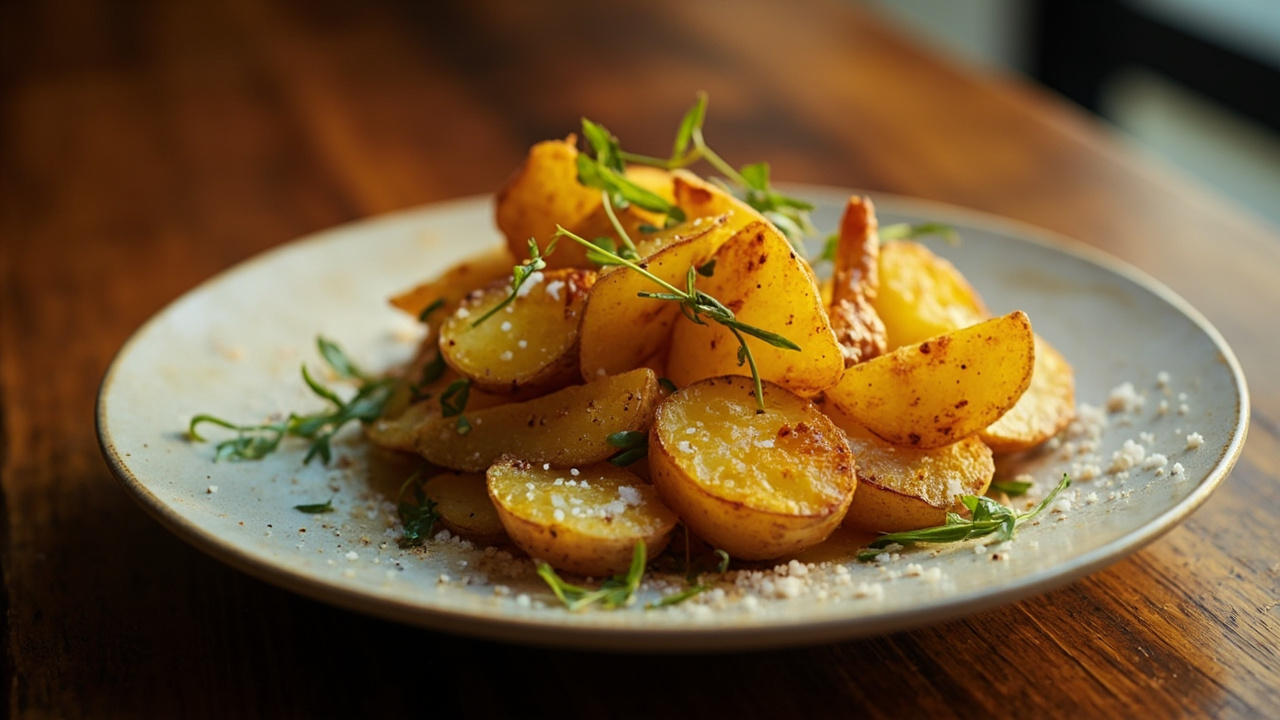
Russet potatoes are the go-to starchy tuber for baking, mashing, and frying because they have large, dry, and mealy qualities that produce fluffy interiors and crisp exteriors.
If you search for a dependable russet potato recipe or want russet potato tips for perfect fries or a baked potato, this article gives practical, research-backed techniques and buying guidance so you get predictable results every time.
What Are Russet Potatoes? How do They Differ from Other Types?
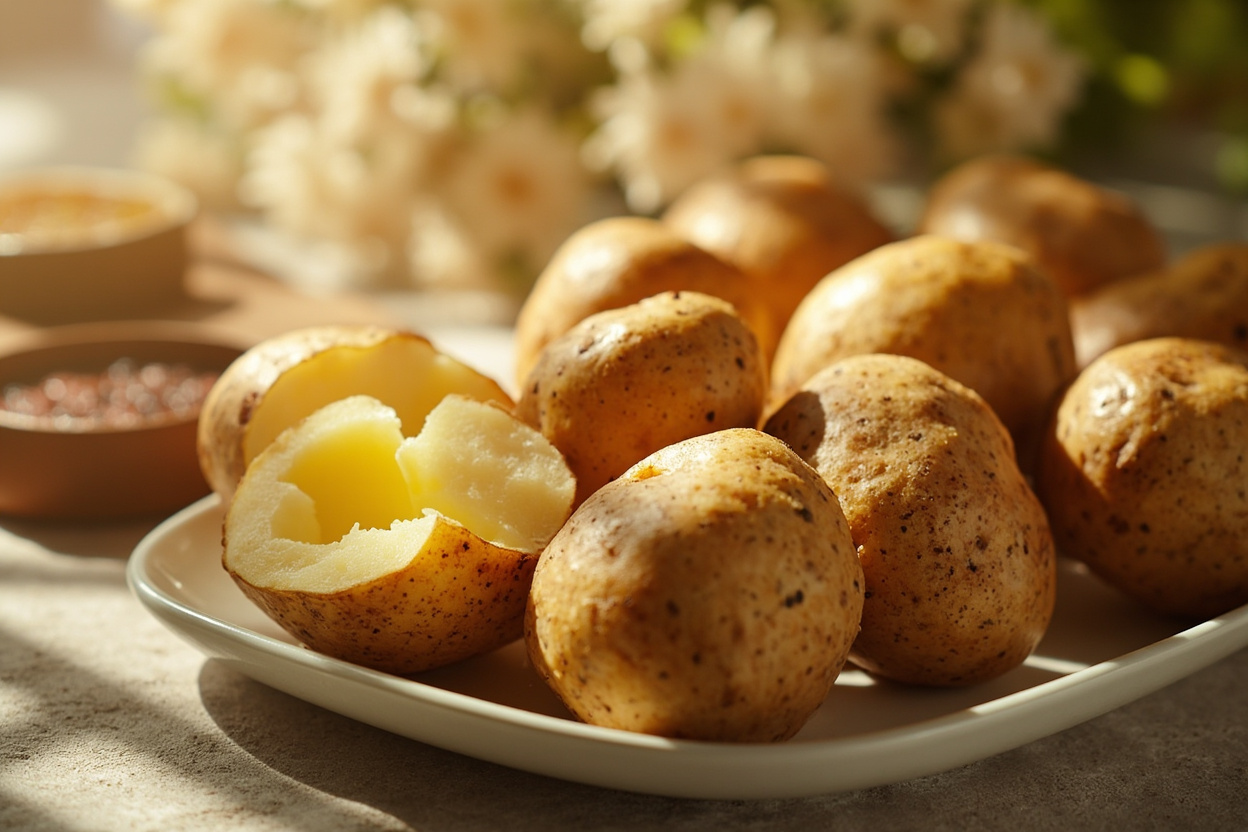
Russet potatoes are a category of potato characterized by dark brown, netted skin and white, floury flesh.
They’re classified as starchy potatoes, meaning low moisture and high starch content; that combination yields a dry, mealy texture when cooked, ideal for baking and mashing.
The most common commercial varieties include Russet Burbank and Russet Norkotah, with Kennebec often mentioned alongside russets for fry and baking performance.
Compared with waxy varieties (like red or fingerling potatoes), russets break down more easily and absorb fats and seasonings differently, which affects texture and technique in recipes.
Pro tip: Use russets when you want interior fluffiness (baked potatoes, mashed) or a high surface-crisp factor (fries, roasted wedges). For dishes needing potato shape retention (potato salad, stews), choose waxy types instead.
Nutrition and Health Benefits of Russet Potatoes
Russet potatoes are primarily a source of complex carbohydrates, providing energy with moderate protein and negligible fat.
A medium russet supplies vitamin C, potassium, B6, and dietary fiber-especially when you eat the skin-and contains resistant starch when cooled after cooking, which benefits gut health.
The mealy texture doesn’t change nutritional value; cooking method does. Baking or boiling with minimal added fat keeps calories low.
Frying dramatically increases calories and saturated fat, while mash variations can add dairy and sodium depending on preparation.
Pro tip: keep the skin on to maximize fiber and micronutrients, and use olive oil and herbs for flavor rather than heavy creams or excessive butter to maintain a healthier profile.
How to Select and Store Russet Potatoes?
Select firm russet potatoes with dry, unbroken skin and few eyes. Avoid tubers with green patches, soft spots, or a musty smell; green indicates solanine exposure from light and should be trimmed away or discarded if extensive.
Store russets in a cool, dark, well-ventilated place (45–50°F / 7–10°C is optimal). Avoid refrigerating raw potatoes; low refrigerator temperatures convert starch to sugar, causing off-flavors and poor frying color.
Kept properly, russets can last several weeks to months, depending on variety and storage conditions.
Pro tip: store potatoes separately from onions-gases from onions accelerate sprouting. Check stored potatoes periodically and remove any that show decay to prevent spoilage spread.
How to Prepare Russet Potatoes?
- Baking: Preheat oven to 425°F (218°C). Scrub and dry whole russets, prick the skin a few times, rub with oil and salt, and bake directly on the rack 45–60 minutes, depending on size, until a skewer meets no resistance. Crisp skin and a fluffy interior are signs of doneness.
- Roasting: Cut into uniform wedges or cubes, toss with oil, salt, and seasonings, spread in a single layer, and roast at 425°F (218°C) until browned and crisp (20–40 minutes). High heat and space between pieces encourage browning via the Maillard reaction.
- Mashing and frying: For mash, peel (optional) and boil cut russets in salted water until fork-tender, drain well, and mash with warm milk or cream and butter; beat sparingly to avoid a gluey texture.
For fries, soak cut potatoes in cold water 30–60 minutes to remove surface starch, dry thoroughly, then fry or double-fry for best crispness.
Crispy Roasted and Baked Russet Potatoes: Techniques for Perfect Texture
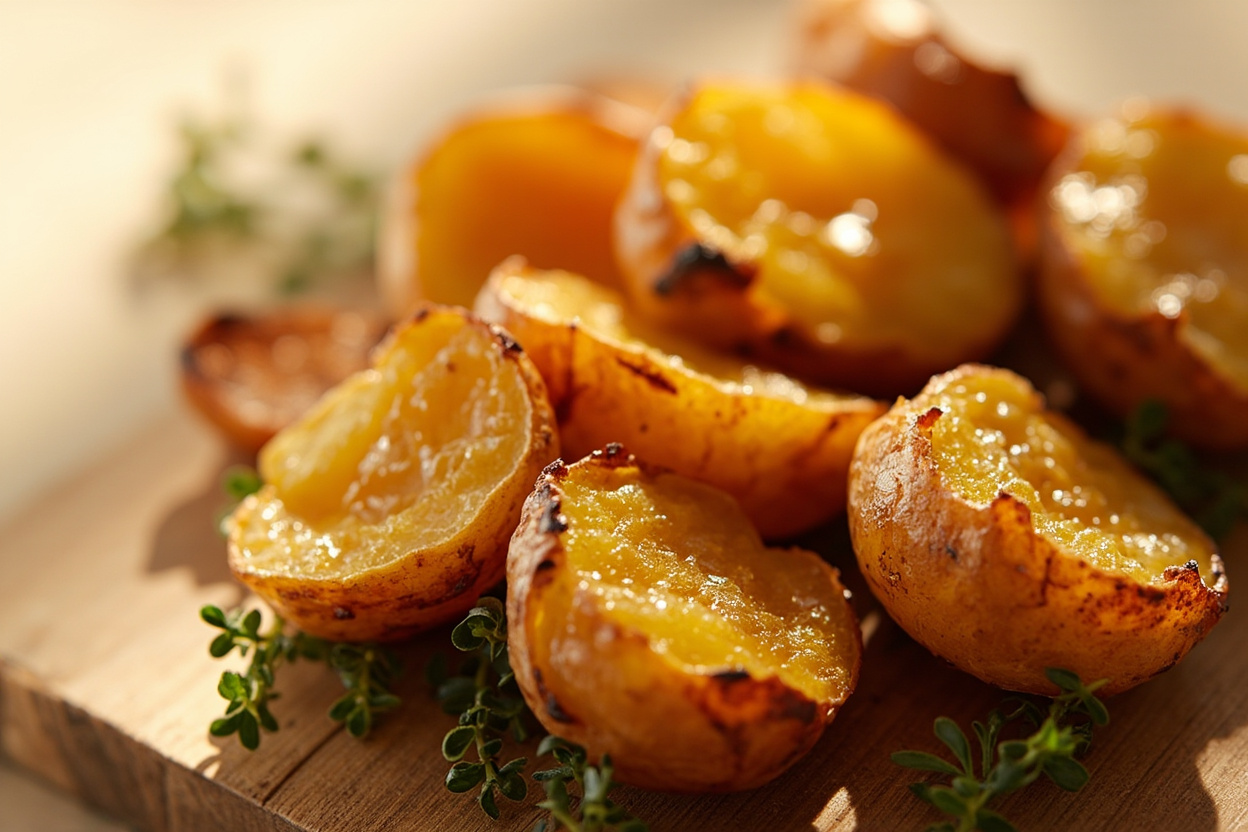
Crispiness on russets comes from two factors: low internal moisture and a dry surface. For roasted potatoes, parboil or steam-crisp cut pieces first; roughing up the surface after parboiling increases surface area for browning.
For whole baked potatoes, oiling the skin and using high oven heat helps form a crisp exterior.
Use a high smoke-point oil (canola, peanut) and preheated pans for roasting to jump-start browning. Overcrowding the pan traps steam and prevents crisping; leave space or roast in batches.
For fries, the double-fry method (low-temperature blanch, then high-temperature finish) yields a crunchy exterior and fluffy interior.
Pro tip: salt after roasting to avoid drawing moisture to the surface before crisping. For baked potatoes, finish with a brief broil if you want extra-crispy skin-watch closely to avoid burning.
Mashed and Fried Russet Potatoes: Tips for Light, Fluffy Mash and Crispy Fries
For light, fluffy mashed russet potatoes, start with equal-sized pieces and cook in boiling, salted water until fork-tender.
Drain thoroughly, return to the hot pot briefly to evaporate residual moisture, then add warm dairy and mash gently-overworking releases starch and makes the mash gluey.
For crispy fries, cut uniformly and remove surface starch by soaking in cold water for at least 30 minutes.
Dry fully, then fry at 325°F (163°C) for the blanch step until slightly tender (3–6 minutes); drain and cool, then fry at 375–400°F (190–204°C) until golden brown and crisp. Drain on paper and salt immediately.
Pro tip: A ricer or food mill gives the most consistent, lump-free mash without overworking. When frying at home without a fryer, use a heavy-bottomed pot and a thermometer to hold correct temperatures for both fry stages.
Common Mistakes When Cooking Russet Potatoes and How to Avoid Them?
Common errors include under-drying cut potatoes before roasting or frying, overworking mashed potatoes, and storing russets in the refrigerator. Each of these mistakes negatively affects texture, flavor, or shelf life.
Under-drying retains surface moisture and prevents crisping. Overworking mashed potatoes releases excess starch and creates a gummy texture.
Refrigeration converts starch to sugar and alters flavor and browning behavior during frying and roasting.
Pro tip: after boiling or soaking, always give potatoes time to dry. Use a kitchen towel or clean paper towels and spread pieces on a tray before cooking.
For mash, mix just until combined, and warm your add-ins so they integrate without extra stirring.
Creative Recipes and Serving Ideas Using Russet Potatoes
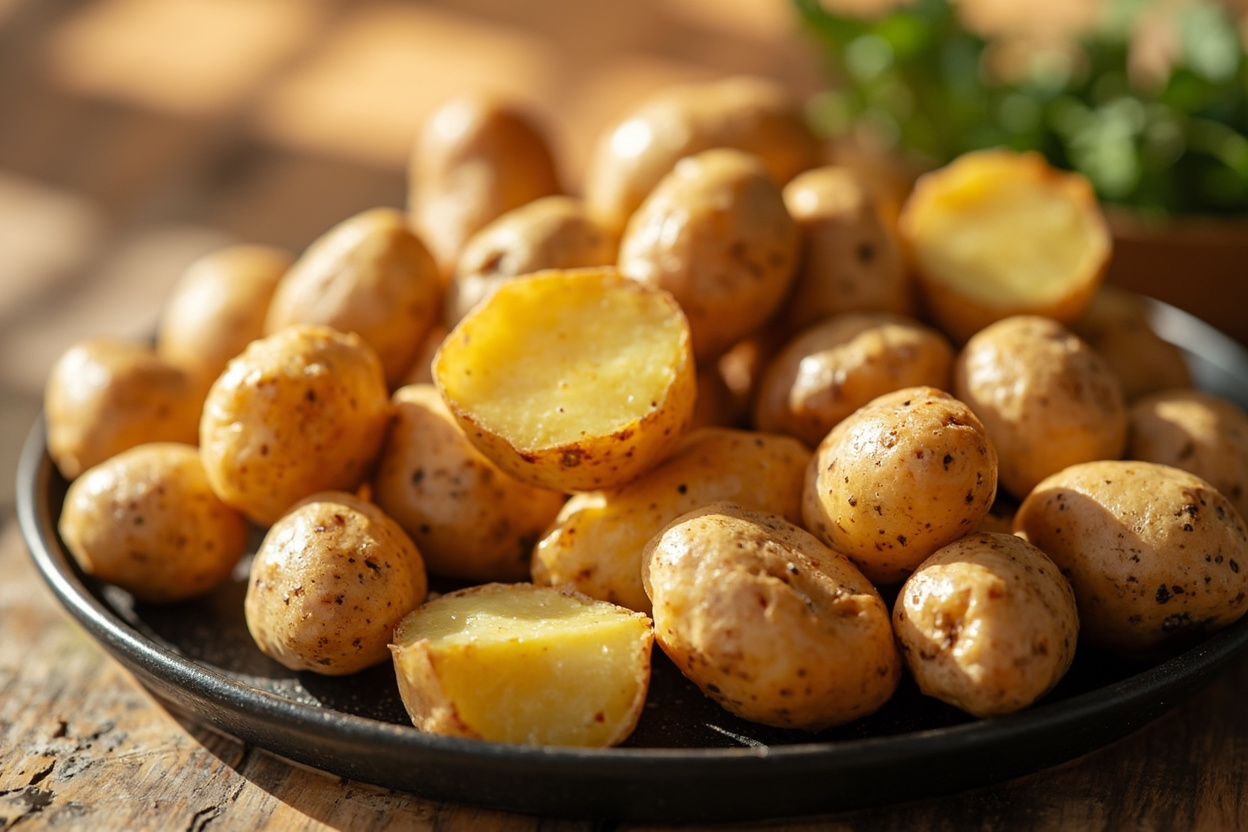
Russet potatoes are versatile beyond the classic baked potato and fries. Try hasselback russets for a showy side, twice-baked potatoes with protein-forward fillings, or use grated russet for potato rösti and latkes because of their dry starch profile. Cold, cooked russet cubes also work well in bound salads if handled gently.
For weeknight meals, roast russet wedges with herbs and lemon for a quick side, or convert leftover mashed russets into potato cakes by adding an egg, forming patties, and pan-frying until golden.
Use baked russets as a platform for robust toppings-chili, roasted vegetables, or Greek-style toppings with yogurt and herbs.
Pro tip: when making potato gratins or scalloped dishes, combine russets with a firmer variety if you want some pieces to hold shape, then layer thinly for even cooking and cream absorption.
Sustainability, Sourcing, and Food Safety
Russet potatoes are grown widely; look for regional sourcing to reduce transport impact and check for certifications when buying organic if you want reduced pesticide exposure.
Variety names like Russet Burbank are linked to large-scale production regions (Idaho among them), but many growers produce Russets locally.
For food safety, wash potatoes under running water before cooking to remove dirt and potential microbes. Trim green areas and sprouts; discard heavily sprouted or soft tubers.
To reduce waste, use peels for roasted chips, soup stock, or compost them; repurpose leftovers into new dishes to extend their usefulness.
Pro tip: if you have sprouted potatoes but they’re still firm and without green discoloration, remove sprouts and any eyes before cooking. If the flesh is soft or shriveled, compost-don’t eat.
Summary
Russet potatoes deliver predictable performance where texture matters: fluffy baked interiors, smooth mash, and crisply browned fries.
Their high starch and low moisture define both cooking methods and outcome, so choosing the right technique changes a good potato into an exceptional one.
Apply the buying, storage, and cooking tips here-select firm tubers, avoid refrigeration, dry surfaces before high-heat cooking, and use the double-fry or parboil-and-roast approaches to get professional-quality results from everyday russet potatoes.
Frequently Asked Questions
Yes. “Baking potato” is a common name for russets because their dry, mealy flesh and thick skin make them ideal for baking whole.
Cut potatoes uniformly, soak in cold water 30–60 minutes, dry completely, double-fry (first at ~325°F until tender, then at 375–400°F until golden), and salt immediately after draining.
Keep them in a cool, dark, well-ventilated place around 45–50°F (7–10°C). Don’t refrigerate raw potatoes and store them away from onions to slow sprouting.
Russets are excellent for mashing because their high starch yields a light, fluffy texture when cooked and handled correctly. Avoid overmixing to prevent a gummy result.
Discard potatoes with extensive green discoloration, a bitter odor, severe shriveling, or soft rot. Small sprouts and minor eyes are removable; firm potatoes can be salvaged by trimming these areas.
Bake or boil instead of frying, leave the skin on for fiber, and flavor with herbs, citrus, or a modest amount of olive oil rather than heavy creams or excess butter.
