
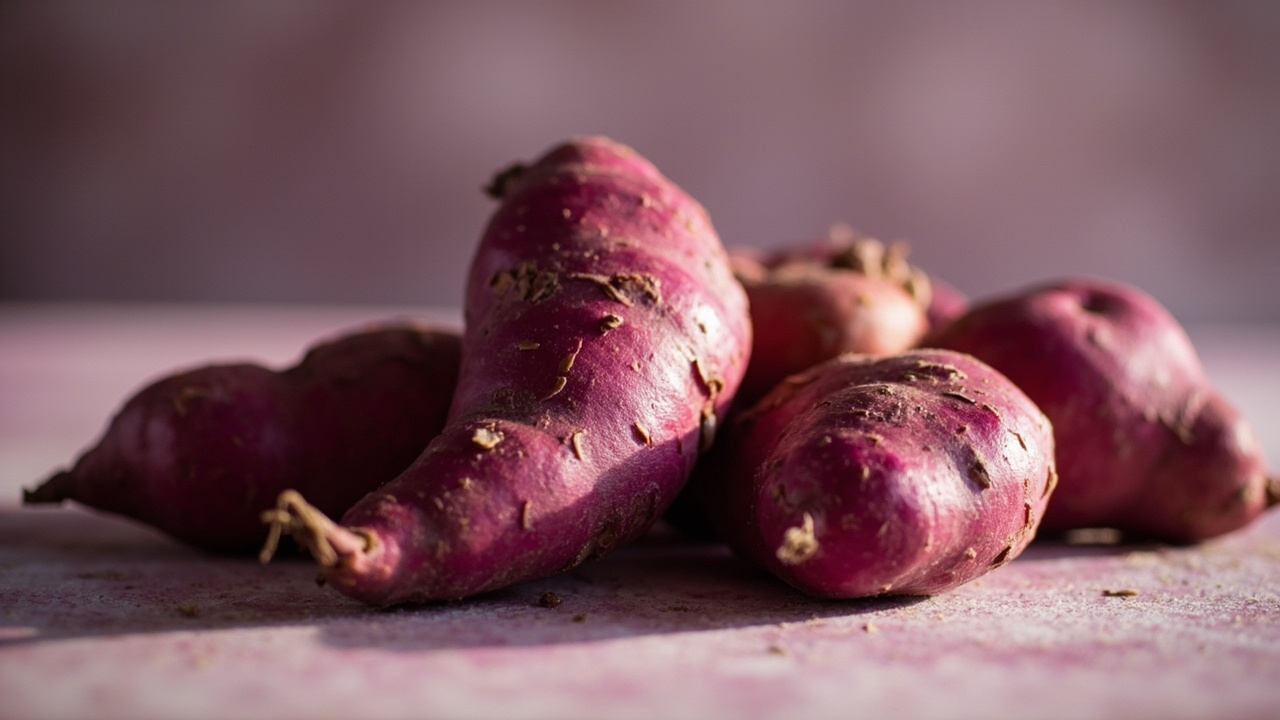
Purple potatoes are more than a colorful novelty – they pack a punch of nutrition and culinary versatility that has driven seasonal demand and increased grocery visibility worldwide.
Anthocyanin-rich purple potatoes deliver not only a striking visual appeal but also measurable antioxidant benefits, which researchers link to improved heart health and reduced inflammation.
Searchers for purple potatoes, purple potatoes recipe, and purple potatoes tips are often looking for practical cooking methods, storage advice, and clear health information; this article answers those needs with proven guidance and actionable steps.
What Are Purple Potatoes? Varieties, History, and How to Identify Them
| Variety | Skin/Flesh Color | Best Uses | Notes |
|---|---|---|---|
| Purple Majesty | Deep purple skin / purple flesh | Baking, roasting, fries | Good yield; retains color well |
| Vitelotte | Dark violet skin / intense violet flesh | Roasting, salads, specialty dishes | Smaller, nutty flavor; gourmet favorite |
| All Blue | Blue-purple skin / bluish-purple flesh | Chips, roasting, mashed | Deep color; may fade slightly when overcooked |
| Peruvian Purple | Purple skin / purple flesh | Traditional Andean uses, boiling, steaming | Heirloom origin; rich pigment |
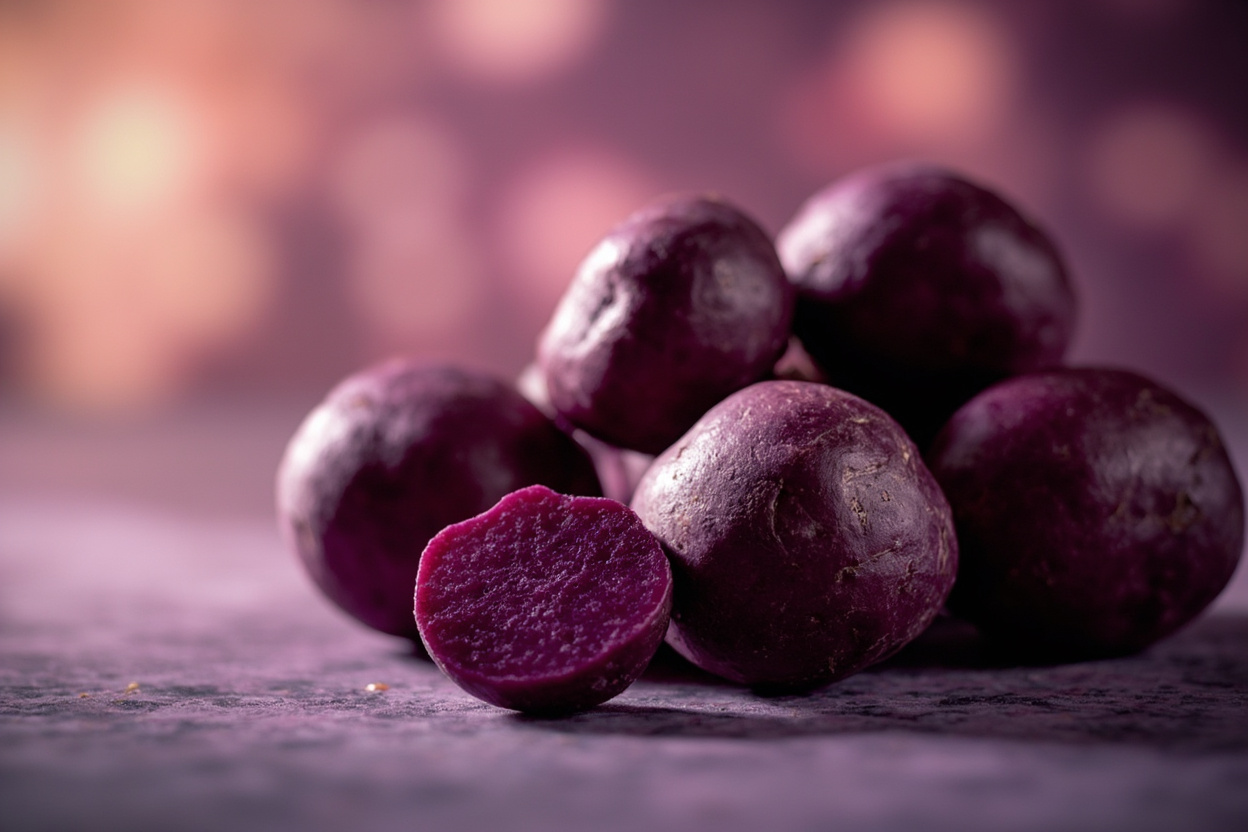
Purple potatoes are members of the Solanum tuberosum species, distinguished by their purple skin and often purple or violet flesh.
Anthocyanins are the pigments responsible for the color and are concentrated in the skin and flesh, varying by cultivar and growing conditions.
Popular varieties include Peruvian Purple, Purple Majesty, Vitelotte (also called “Truffle potato”), and All Blue, each with subtle differences in texture and flavor.
Historically, purple-fleshed potatoes originated in the Andean regions of South America, where indigenous farmers cultivated pigmented tubers for millennia.
Modern breeding programs have introduced these varieties to global markets, prioritizing color retention, yield, and disease resistance.
Identification is straightforward: look for uniform purple skin, purple flesh when cut, and a firm texture without soft spots.
How to distinguish varieties: Some like Vitelotte are smaller with an intense violet color and a slightly nutty, chestnut-like flavor, while Purple Majesty offers a dryer, more conventional potato texture suitable for baking and frying.
Seed catalogs and reliable farm labels will list cultivar names and culinary recommendations, which help match variety to intended use.
Nutrition and Health Benefits: Anthocyanins, Antioxidants
Purple potatoes are distinguished nutritionally by high levels of anthocyanins, a class of polyphenol antioxidants also found in berries.
Anthocyanins are associated with reduced oxidative stress and anti-inflammatory effects in multiple human and animal studies.
Nutrient-wise, purple potatoes also provide vitamin C, potassium, fiber, and complex carbohydrates.
Scientific studies indicate that diets including anthocyanin-rich foods may support cardiovascular health by improving endothelial function and decreasing blood pressure in some trials.
Chlorogenic acid and caffeic acid, other polyphenols present in purple potatoes, contribute to antioxidant capacity and potential metabolic benefits. Typical serving nutrient highlights include moderate calories, low fat, and a notable potassium-to-sodium ratio.
Practical takeaway: for most people, adding purple potatoes to a balanced diet increases antioxidant intake without adding excessive calories.
Cooking methods that preserve color and nutrients-steaming, roasting at moderate temperatures, or minimal boiling-help retain anthocyanin levels compared with high-heat frying.
How to Buy and Store Purple Potatoes?
When buying purple potatoes, prioritize firm tubers with unblemished skin and no green discoloration. Avoid soft spots, cuts, or sprouting eyes, which indicate age or poor storage.
Local farmers’ markets often sell freshly harvested batches with better flavor and color retention than mass-distributed options.
Seasonality and availability: purple potato availability peaks during late summer and fall in temperate regions, though many grocery stores carry them year-round.
Organic and small-farm sources may offer more pigment intensity because of varietal selection and soil practices.
Check labels for variety names like Purple Majesty or Vitelotte to confirm true purple-fleshed tubers rather than dyed or colored mixes.
Storage best practices: keep purple potatoes in a cool, dark, well-ventilated place between 45–55°F (7–13°C).
Avoid refrigeration, as cold temperatures convert starch to sugar and can negatively affect texture and taste.
Properly stored, firm purple potatoes last several weeks to a few months. Remove any sprouting or soft tubers promptly to prevent spread.
How to Cook Purple Potatoes?
Purple potatoes handle most cooking methods well; the key is choosing the right technique for the variety.
- Waxy types (lower starch) hold shape and are excellent in salads and roasting, while starchy types mash and bake well. Expect an earthy, slightly nutty flavor that pairs with herbs, lemon, garlic, and butter.
- Roasting concentrates flavor and helps preserve color contrast in the flesh’s outer ring. For even cooking, cut tubers into uniform pieces and roast at 400°F (200°C) with a light oil coating.
- Boiling in quick and gentle-use salted water and drain promptly to preserve color; adding a splash of vinegar can sometimes help color retention. Baking whole at moderate heat produces drier, fluffier interiors for mashing or serving with toppings.
- Frying and grilling yield crisp exteriors and deeper color contrast, but may reduce some anthocyanin content at high temperatures.
- Mash purple potatoes with minimal liquid and a small amount of butter or olive oil to showcase texture and color. For fries, par-cook by blanching, then high-heat finish yields the crispiest result with the best color.
Top Easy Recipes and Serving Ideas: Side Dishes, Salads, and Creative Uses
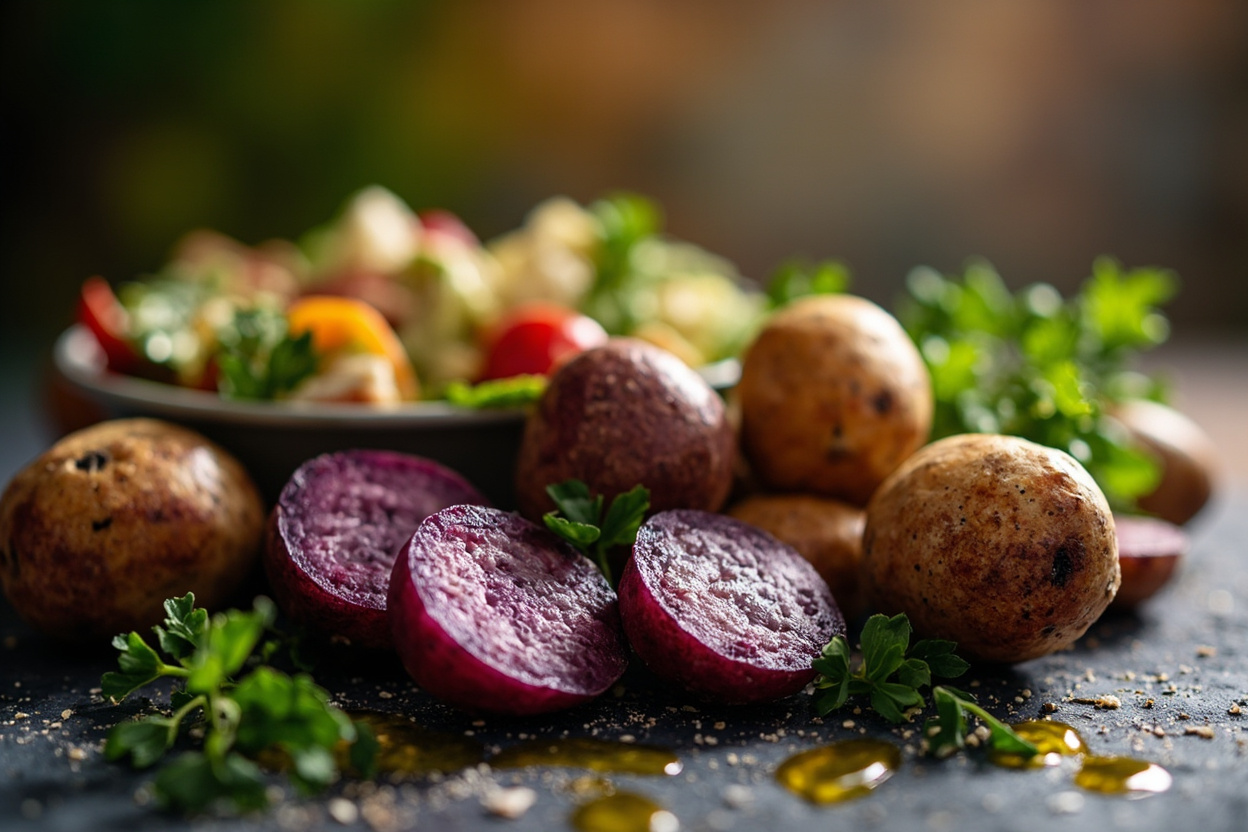
Purple potatoes add visual interest to standard recipes and can be the centerpiece of vibrant salads and side dishes.
Simple roasted purple potatoes with rosemary and garlic are a reliable crowd-pleaser. For chilled dishes, a purple potato salad with vinaigrette, capers, and fresh herbs offers an attractive contrast and bright flavor.
Creative uses include purple mashed potatoes blended with Greek yogurt for color and tang, purple potato chips for a snack, or purple gnocchi paired with brown butter and sage.
When plating, pair purple potatoes with contrasting ingredients-greens, citrus, or feta-for a visually striking plate.
Meal prep tip: roast and store plain purple potatoes in the fridge for up to 4 days; reheat in a hot oven to regain crispness. Freezing cooked purple potatoes is possible, but may slightly alter texture; use cooked cubes for soups and stews if frozen.
Growing Purple Potatoes at Home: Soil, Planting, Care, and Harvesting Guide
- Growing purple potatoes is similar to other potato varieties: they require loose, well-draining soil, full sun, and moderate fertility.
- Plant seed potatoes (certified disease-free tubers) after the last frost when soil temperatures reach about 45°F (7°C). Space pieces 12–15 inches apart with rows 2–3 feet apart and plant eyes upward 3–4 inches deep.
- Soil and fertility: incorporate compost for organic matter and ensure a slightly acidic to neutral pH (5.5–7.0).
- Hilling-mounding soil around stems as plants grow promotes tuber development and reduces greening. Regular watering is crucial during tuber set; avoid waterlogging and irregular moisture to prevent cracking or rot.
- Pests and disease management: rotate crops, remove plant debris, and select disease-resistant cultivars when available.
- Late blight, Colorado potato beetle, and wireworms are potential issues; monitor plants and use integrated pest management (IPM) techniques.
- Harvest new potatoes when plants flower or harvest the main crop when foliage dies back; cure tubers in a cool, dark, ventilated space before storage.
Common Mistakes and Troubleshooting
Common cooking mistakes include overboiling, which can leach color and nutrients, and excessive high-heat frying, which can dull anthocyanin intensity.
To preserve color, avoid long exposure to alkaline solutions (baking soda) and limit prolonged high-heat times. Salt water, when boiling, helps flavor retention without harming color significantly.
Storage problems often stem from improper temperature and humidity-too-cold refrigerators convert starch to sugar, while warm, humid spaces encourage sprouting and rot.
Inspect stored tubers regularly and remove any that show softening, mold, or sprouts. Maintaining airflow and darkness is critical.
Growing pest and disease troubleshooting: early detection is essential. Hand-pick Colorado potato beetles, use row covers to protect young plants, and practice crop rotation to reduce soil-borne pathogens.
If late blight appears, remove affected plants and avoid composting diseased foliage to limit spread.
Potential Risks and Side Effects
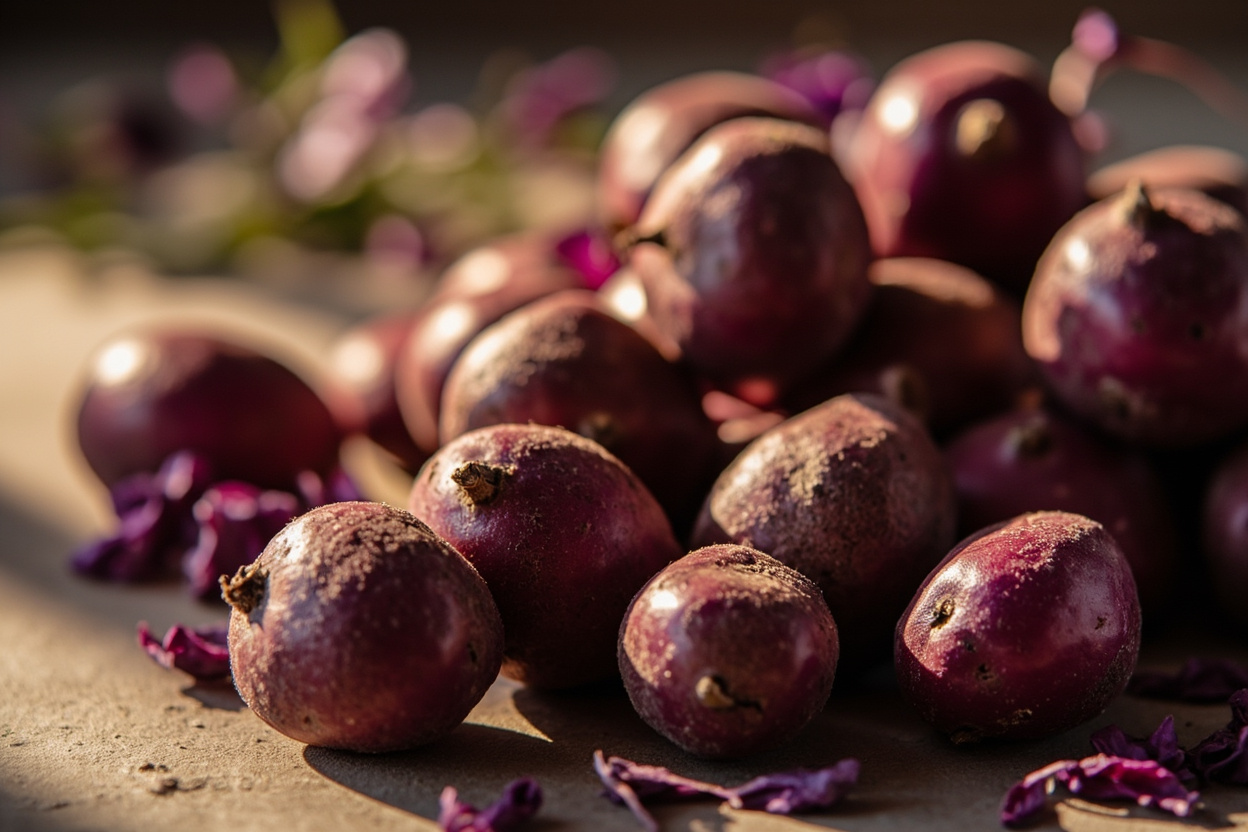
Purple potatoes are part of the nightshade family and share the same basic chemical profile as other potatoes. For most people, they are safe; however, those with nightshade sensitivity may experience digestive or inflammatory reactions and should avoid or test tolerance carefully. True allergies to potatoes are uncommon but possible.
Solanine is a naturally occurring compound in potato greens and sprouts that can be toxic in high amounts; avoid eating greened or sprouted tubers and discard any green portions.
People on specific medications should consult healthcare providers if they rely on high-potassium diets-purple potatoes contain notable potassium that can be relevant for individuals with kidney disease or on potassium-restricted diets.
General precaution: Wash and cook purple potatoes thoroughly to remove soil and reduce microbial risk. If you experience adverse symptoms after consumption, discontinue use and consult a medical professional.
Summary
Purple potatoes combine striking aesthetics with tangible nutritional advantages from anthocyanins and polyphenols, making them a valuable ingredient for cooks and a rewarding crop for gardeners.
Choosing the right variety, storing correctly, and using appropriate cooking methods preserves both color and healthful compounds so you get the best flavor and benefits.
Frequently Asked Questions
Purple potatoes contain higher levels of anthocyanins and polyphenols than white varieties, offering greater antioxidant capacity; macronutrient profiles are similar, with both providing carbs, potassium, and vitamin C.
Cooking can reduce color intensity, especially with prolonged high heat or alkaline conditions. Gentle methods like roasting, steaming, or moderate-temperature baking preserve the most pigment; adding acid (vinegar or lemon) may help stabilize color.
It’s possible, but not ideal, to use certified seed potatoes to avoid disease and ensure varietal authenticity. Grocery tubers may be treated with sprout inhibitors or may be infected with pathogens.
Roasted purple potatoes with herbs, purple potato salad with mustard vinaigrette, mashed purple potatoes with yogurt, and baked purple wedges are easy ways to showcase color and flavor.
While not a medicine, anthocyanins and other polyphenols in purple potatoes have been linked to antioxidant and anti-inflammatory effects that support cardiovascular and metabolic health when consumed as part of a balanced diet.
Store in a cool, dark, ventilated spot, avoid refrigeration, and use gentle cooking methods. Minimal peeling and avoiding alkaline additives will help maintain vivid color.
