
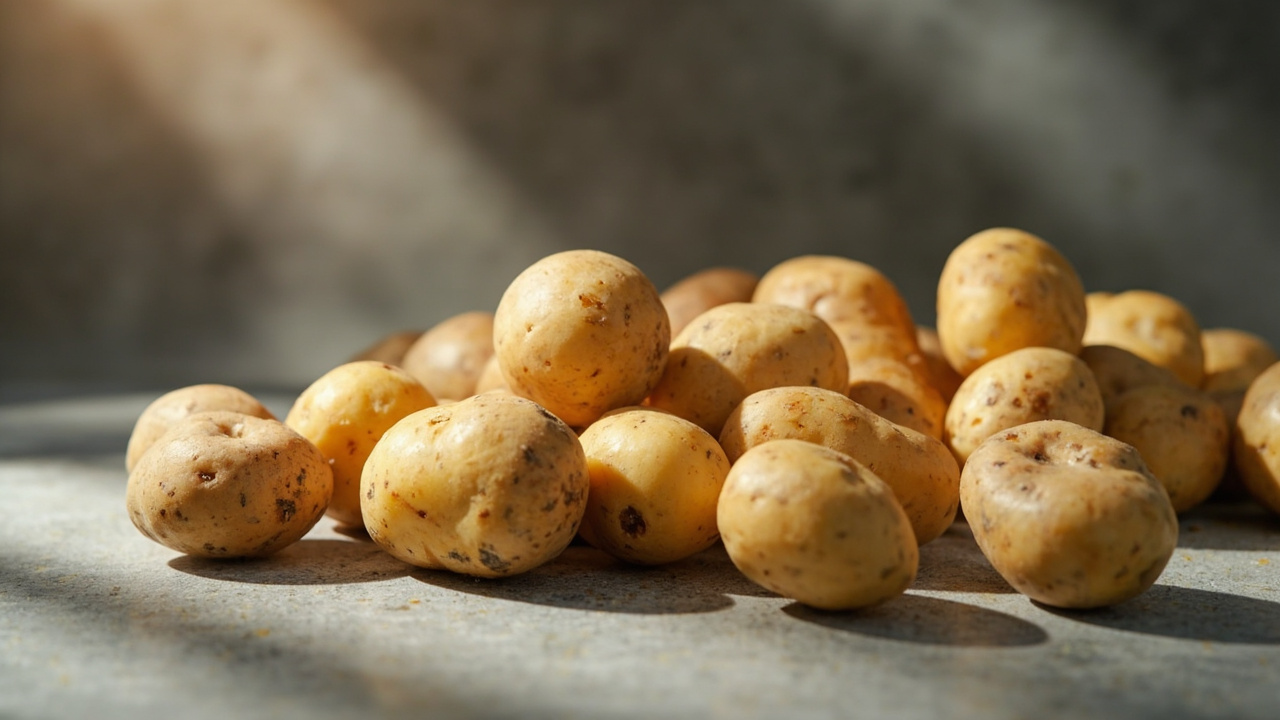
New potatoes arrive in spring and early summer with thin skins, high moisture, and a sweetness that catches many people off guard: they often contain less starch and more water than mature tubers, which makes them taste almost creamy when simply boiled.
The term new potatoes is not a varietal label, but a harvest-stage descriptor-any potato dug before physiological maturity can be called new.
This article is written for cooks, home gardeners, and food professionals who want practical, evidence-based information on identifying, cooking, storing,g and pairing new potatoes.
What Are New Potatoes? Definition, Varieties, and How They Differ from Mature Potatoes
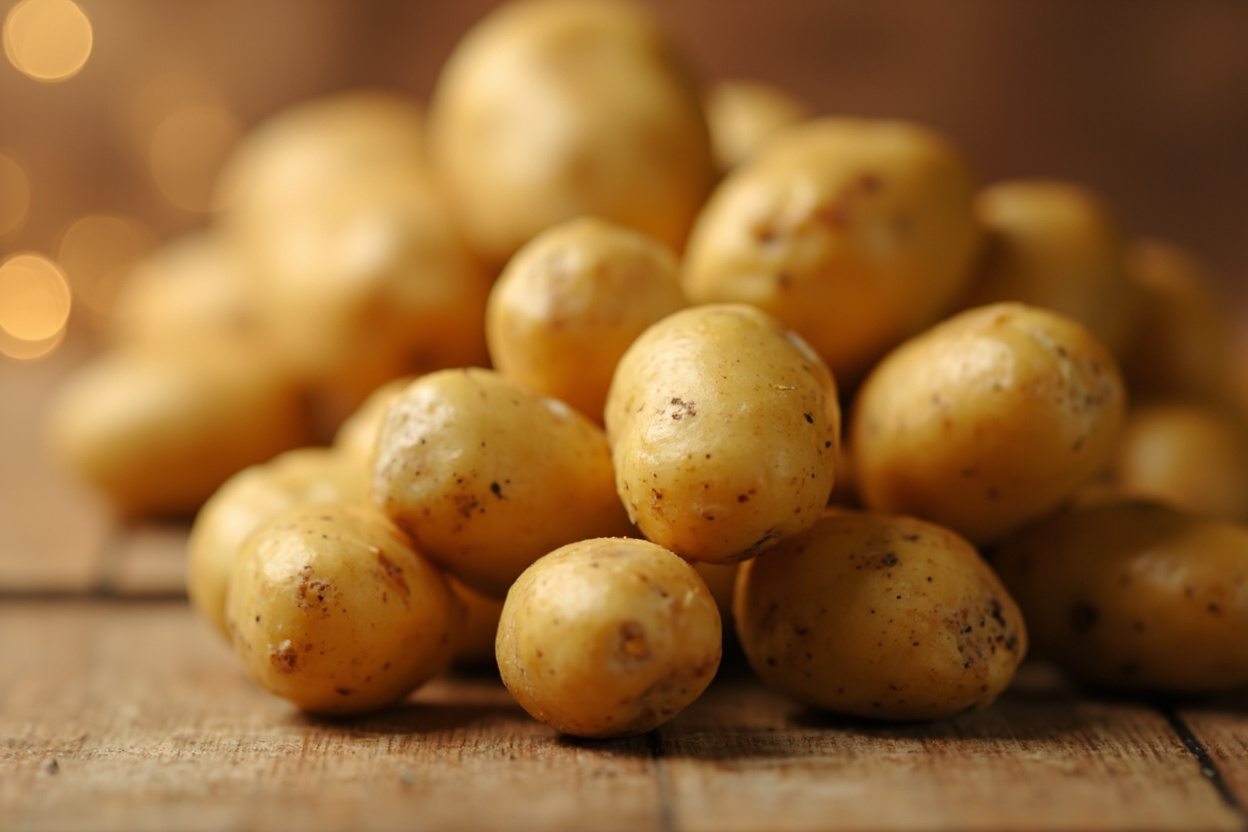
New potatoes are simply potatoes harvested earlier than usual, before their skins thicken and their internal starch fully converts.
Because growers remove them while vines are still often green, the tubers retain a higher proportion of water and lower dry matter (starch), which explains their waxy texture and subtle sweetness.
They are commonly sold unwashed with feathery, fragile skins that can be scraped away with a fingernail.
Any cultivar can supply new potatoes. Popular choices for early harvest include red-skinned varieties (e.g., Red Pontiac), yellow-fleshed types (e.g., Yukon Gold when harvested young), and fingerlings. The harvest stage-not the variety-creates the defining attributes.
| Attribute | New Potatoes | Mature Potatoes |
|---|---|---|
| Skin thickness | Thin, can be rubbed off | Thick, protective |
| Moisture / starch | Higher moisture, lower starch | Lower moisture, higher starch |
| Flavor | Sweet, mild | Robust, earthy |
| Best uses | Boiling, salads, roasting whole | Mashing, baking, frying |
How to Tell New Potatoes from Small or Young-Sounding Varieties: Skin, Texture, and Harvest Clues?
Size alone doesn’t prove a potato is a new potato. Distinguish true new potatoes by examining skin, firmness, and any visible vine or field cues.
New potatoes typically have a delicate, almost translucent skin that flakes under light pressure, and they feel moist and heavy for their size.
If the skin resists scraping and is thick or brownish, it is likely a fully matured small variety rather than a new harvest.
Farmstand and market labeling can help: vendors often mark ‘first new’ or ‘new season’ on sacks.
When possible, ask the grower whether the tubers were dug early in the season. If you must infer from appearance, check the following list.
- Skin test: A fingernail should scrape the skin away easily.
- Firmness: New potatoes are firm but springy and feel hydrated.
- Vine evidence: Leftover green tops or soil clinging near the stem indicate recent digging.
Nutritional Profile and Health Benefits of New Potatoes
New potatoes provide many of the same nutrients as mature potatoes, but with subtle differences due to higher water content.
They remain a good source of vitamin C, potassium, and dietary fiber (especially when skins remain).
Their lower starch content translates to a slightly lower glycemic response compared with the same variety at full maturity, although exact numbers vary by cultivar and cooking method.
Key health advantages include nutrient density per calorie, vitamin C that degrades with long storage and handling, and potassium, which supports blood pressure regulation.
Keeping the skins intact preserves fiber and micronutrients.
| Nutrient (per 100 g, boiled, skin on) | Approximate amount |
|---|---|
| Calories | 60–75 kcal |
| Carbohydrates (mostly water-adjusted) | 13–16 g |
| Dietary fiber | 1.5–2.5 g |
| Vitamin C | 10–15 mg |
| Potassium | 300–450 mg |
Best Cooking Methods for New Potatoes: Boiling, Roasting, Steaming, and Sautéing (With Timing Guidelines)
New potatoes respond well to gentle, short cooking methods. Because they contain less starch, they hold shape and resist falling apart when boiled briefly.
Choose a technique based on desired texture: boiling or steaming for creamy interiors that retain skin; roasting for caramelized edges; sautéing for crisp exteriors.
Below are practical timing and temperature guidelines sized for typical new potatoes (1–2 inches). Adjust for very small or very large tubers.
| Method | Temperature / Heat | Typical time | Result |
|---|---|---|---|
| Boiling (whole) | Medium-high in the skillet | 12–20 minutes | Tender through, skins intact |
| Steaming | Steam over boiling water | 12–18 minutes | Moist, less waterlogged than boiling |
| Roasting (halved) | 425°F / 220°C | 20–30 minutes | Crisp edges, creamy center |
| Sautéing (parboiled) | Medium-high in skillet | 8–12 minutes after parboil | Golden crust, intact shape |
- Tip: Start boiled new potatoes in cold, salted water to ensure even cooking.
- Tip: For crispy roast, toss halved potatoes in oil and roast cut-side down.
- Tip: Parboil for 6–8 minutes before sautéing to speed finishing and protect shape.
Classic and Creative Recipes: Potato Salads, Garlic Dill New Potatoes, Roasted Baby Potatoes, and Sides
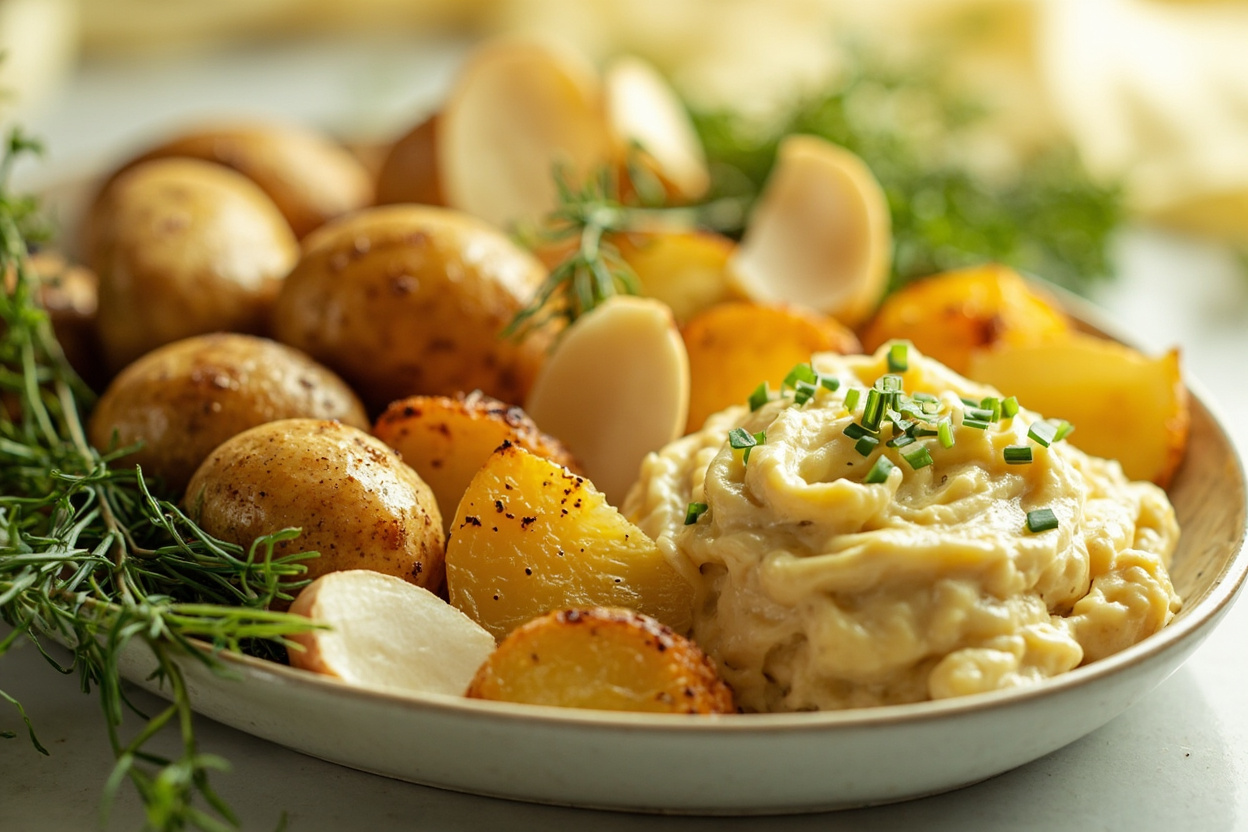
New potatoes are the backbone of spring menus: they make the ideal base for a classic vinaigrette potato salad because they hold shape, and they transform into a simple but impressive side when roasted with herbs.
Below are three recipes with clear steps and serving notes. Each uses common pantry ingredients and shows how cooking choices highlight the tuber’s qualities.
| Recipe | Key ingredients | Method highlights | Time |
|---|---|---|---|
| Garlic Dill New Potatoes | New potatoes, garlic, butter or oil, fresh dill, lemon | Boil whole, toss in garlic butter and chopped dill | 20–25 min |
| Classic Vinaigrette Potato Salad | New potatoes, shallot, Dijon, olive oil, vinegar, parsley | Boil, halve, mix warm with vinaigrette to absorb flavor | 25–30 min |
| Roasted Baby Potatoes with Rosemary | Halved new potatoes, olive oil, rosemary, sea salt | High-temp roast until caramelized | 25–30 min |
Tips for Selecting, Storing, and Preparing New Potatoes
Select new potatoes with intact, unwrinkled skins, no soft spots, and minimal sprouting.
Because they are high in moisture and have fragile skins, they deteriorate faster than mature tubers. Look for soil still clinging-this can be a sign of recent harvest and fresher flavor.
Storage should be cool, dark, and ventilated but not refrigerated below 40°F/4°C for extended periods; cold storage can convert some starch to sugar and create an undesirable taste and texture. Use the quick list below for stepwise care.
- Selection: Choose firm, unblemished tubers with intact thin skins.
- Short-term storage: Keep in a cool, dark place (50–60°F / 10–15°C) for up to 1–2 weeks.
- Longer storage: For more than two weeks, consider curing mature potatoes instead of new potatoes, which don’t cure well.
- Cleaning: Rinse and scrub gently only when ready to cook to preserve skin and shelf life.
- Peeling: Prefer leaving skins on; if peeling, use a paring knife or light peeler so you don’t remove too much flesh.
| Action | Do | Don’t |
|---|---|---|
| Before cooking | Rinse, remove sprouts, trim eyes | Short-term (<3 days) if the kitchen is warm |
| Storage | Ventilated basket or paper bag in a cool, dark spot | Plastic sealed bag or direct sunlight |
| Refrigeration | Ventilated basket or paper bag in cool, dark spot | Long-term refrigeration (changes taste) |
Why New Potatoes Hold Their Shape and How Cooking Techniques Affect Starch and Moisture?
Texture in potatoes is primarily about cell structure and starch composition. New potatoes have less converted starch and higher cell turgor (water pressure inside cells), which helps them resist disintegration during gentle cooking.
Higher amylopectin relative to amylose in waxy-type potatoes also promotes firmness, but even floury varieties will act waxy when harvested early.
Cooking alters starch granules and cell walls. Boiling gelatinizes starch slowly and evenly, preserving shape if time is controlled.
High-heat roasting evaporates surface moisture and concentrates sugars-this produces the Maillard reaction and caramelization for browned, flavorful crusts.
Overcooking in water causes cell wall breakdown and mushiness, while undercooking leaves a chalky center.
| Process | What happens | Effect on new potatoes |
|---|---|---|
| Gelatinization | Starch granules swell and absorb water | Moderate gelatinization = creamy interior, intact exterior |
| Maillard reaction | Proteins & sugars react under dry heat | Creates brown crust and savory notes when roasted |
| Osmotic leaching | Soluble compounds move into cooking water | Boiling too long reduces flavor; steaming preserves more |
Common Mistakes and How to Avoid Them: Overcooking, Underseasoning, and Poor Storage
New potatoes are forgiving but commonly mishandled in three ways: overcooking that destroys texture, underseasoning that leaves them bland, and improper storage that shortens usable life.
Avoid these by timing your cook precisely, seasoning at the right stage, and storing in conditions that slow moisture loss and sprouting.
Practical corrections are listed below to keep your results consistent and flavorful.
- Avoid overcooking: Use a fork to check tenderness at recommended times; remove immediately when tender.
- Season while warm: For salads or buttery preparations, season when potatoes are still warm so they absorb dressings and salts.
- Protect from moisture loss: Store in breathable containers away from strong light; do not wash until ready to use.
- Prevent greening: Discard any greened tubers-this indicates solanine buildup.
Serving Suggestions, Pairings, and Seasonal Uses for New Potatoes
New potatoes pair exceptionally well with bright acids, fresh herbs, and lighter proteins. Their delicate flavor benefits from ingredients that complement rather than overwhelm: lemon, Dijon, chives, parsley, dill, and yogurt-based dressings are classic allies.
They also match smoked fish, grilled spring lamb, roasted chicken, and light cheeses.
Seasonal uses highlight freshness: spring menus pair new potatoes with peas and asparagus; summer salads take advantage of their shape-retaining qualities; fall preparations can incorporate roasted new potatoes into root-vegetable medleys. Consider these serving ideas and a quick pairing table for reference.
Summary
New potatoes are a seasonal treat defined by harvest timing rather than variety. Their thin skins, higher moisture, and lower starch make them versatile for salads, gentle boiling, and quick roasting, and they deliver a distinct sweet, creamy quality when handled correctly.
Selecting fresh tubers, avoiding prolonged storage, and choosing cooking methods that respect their moisture content will yield the best results.
Frequently Asked Questions
A potato is considered ‘new’ when it is harvested before reaching full physiological maturity. The skin is thin and fragile, the tuber contains more water and less starch, and it often shows field soil and vine remnants that indicate recent digging.
Yes. Any cultivar can be harvested early and marketed as a new potato. Varieties commonly encountered as new potatoes include red-skinned types, fingerlings, and young Yukon Golds, but the defining trait is harvest stage, not genetics.
New potatoes are best used within 1–2 weeks if stored in a cool (50–60°F / 10–15°C), dark, ventilated place. Do not wash until ready to cook, and avoid long refrigeration because cold can alter sugars and taste.
No, you usually should not. The thin skin is tender, flavorful, and nutrient-rich. If a recipe calls for peeled potatoes, use a light peeler to remove only the skin; otherwise, leave the skin on to preserve texture and fiber.
Often yes. Because they hold their shape and have a waxier texture, new potatoes work especially well in salads where intact pieces are desired. Their lower starch and warmer texture after boiling help them absorb vinaigrettes and flavors.
Parboil for 6–8 minutes to soften interiors, drain, and rough up the surface slightly by shaking in the colander, then roast at 425°F (220°C) with enough oil for contact. Cut-side down placement and a single layer ensure good browning and crisping.
