
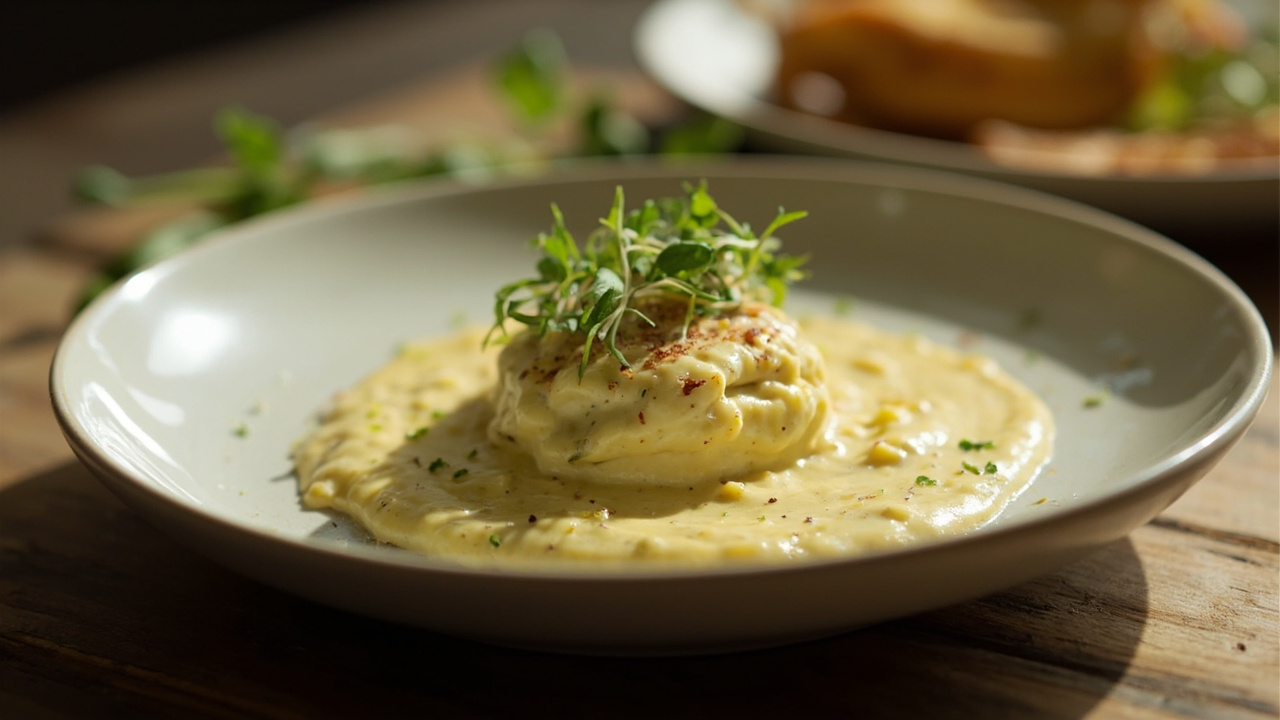
Garlic aioli is one of those small luxuries that turns ordinary plates into something memorable.
Silky and glossy, with a lush mouthfeel and a punch of slow-ripening garlic, it clings to fries, crowns roasted vegetables, and lifts grilled seafood. The texture should be thick but spreadable, the flavor brightened with acid and rounded by oil.
Make it once, and you’ll understand why it’s a must-make condiment for both weeknight dinners and special meals.
This garlic aioli guide will walk you through why each ingredient matters, give garlic aioli tips to keep the emulsion stable, and offer a garlic aioli tutorial that feels like a friendly cooking lesson.

garlic aioli
Ingredients
- 2 large egg yolks
- 240 g neutral oil sunflower or grapeseed
- 30 g extra virgin olive oil
- 3 garlic cloves minced (10 g)
- 15 ml lemon juice
- 1/2 tsp fine sea salt
- Pinch of white pepper
Instructions
- Combine yolks, garlic, lemon, salt and whisk.
- Slowly add neutral oil in a stream while whisking to emulsify.
- Whisk in olive oil then adjust acidity with lemon.
- Season to taste and refrigerate before serving.
What Sets This Garlic Aioli Apart?
This garlic aioli succeeds because the balance of chemistry and flavor is deliberate.
First, using room-temperature egg yolks brings lecithin-rich emulsifiers that bind oil and water smoothly, creating a glossy, stable emulsion rather than a greasy slurry.
Second, a two-oil approach – neutral oil for body and extra virgin olive oil for flavor – prevents bitterness from overwhelming the garlic while still delivering depth.
Third, fresh garlic treated minimally preserves volatile sulfur compounds that give that clean, bright aroma without turning harsh.
The controlled acid from lemon juice does more than brighten taste; it tunes the pH to preserve color and stabilize emulsion microstructure, so your aioli stays silky in the fridge.
Pantry Picks That Make This Aioli Sing
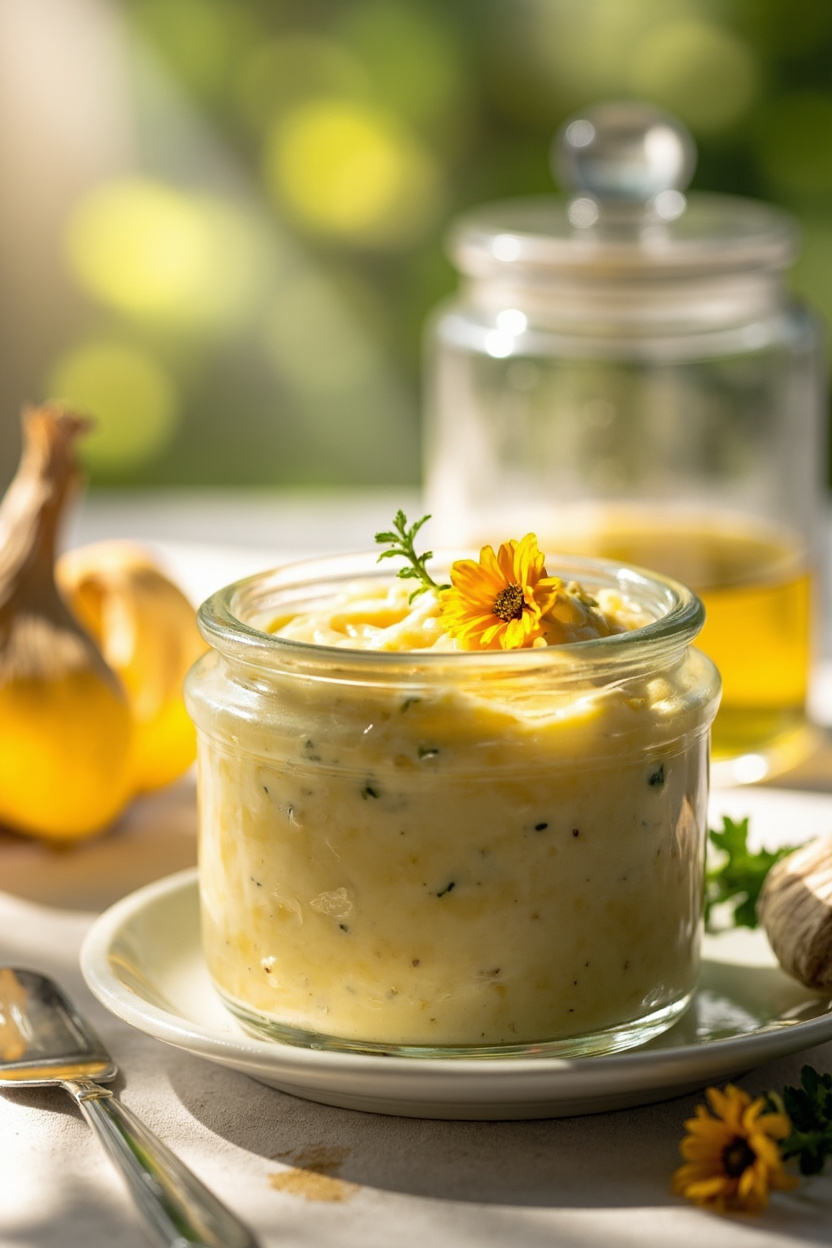
- 2 large egg yolks: emulsifying phospholipids for binding oil and water into a smooth emulsion.
- 240 g neutral oil (sunflower or grapeseed): neutral fatty matrix with stable monounsaturated fats for texture.
- 30 g extra virgin olive oil: aromatic polyphenols and fruity esters add complexity to the fat phase.
- 3 garlic cloves, minced (10 g): fresh alliinase-driven aromatics that create that quintessential garlicky scent.
- 15 ml lemon juice: citric acid that brightens flavor and helps stabilize the emulsion by adjusting pH.
- 1/2 tsp fine sea salt: ionic balance enhances flavor perception and suppresses bitterness.
- Pinch of white pepper: volatile piperine heat without dark specks, preserving the aioli’s pristine appearance.
Kitchen Tools You’ll Need
- Whisk or small immersion blender.
- Medium mixing bowl.
- Measuring spoons and a digital scale.
- Microplane or garlic press.
How to Whip Garlic Aioli Without Failure?
- Prepare ingredients: Keep the egg yolks at room temperature for 20 minutes. Mince garlic finely or press to release juices so the aroma is pronounced but not stringy.
- Whisk yolks and aromatics: In a medium bowl, whisk yolks with minced garlic, lemon juice, and salt until smooth. The mixture should smell bright and slightly pungent, not raw.
- Begin emulsifying: Start with a single drop-to-teaspoon stream of neutral oil while whisking vigorously. The texture will shift from runny to opaque and creamy – that’s the emulsion forming.
- Build the emulsion: Once thickening begins, you can increase to a slow steady stream. If using an immersion blender, hold it at the base and drizzle oil slowly to avoid separation.
- Incorporate olive oil: Add the extra virgin olive oil in a thin stream for flavor. The aioli will develop more sheen and a gentle fruity aroma as the oils integrate.
- Adjust seasoning and acidity: Taste for salt and lemon balance. A tiny extra squeeze of lemon will lift flavors and sharpen the garlic note without turning it sour.
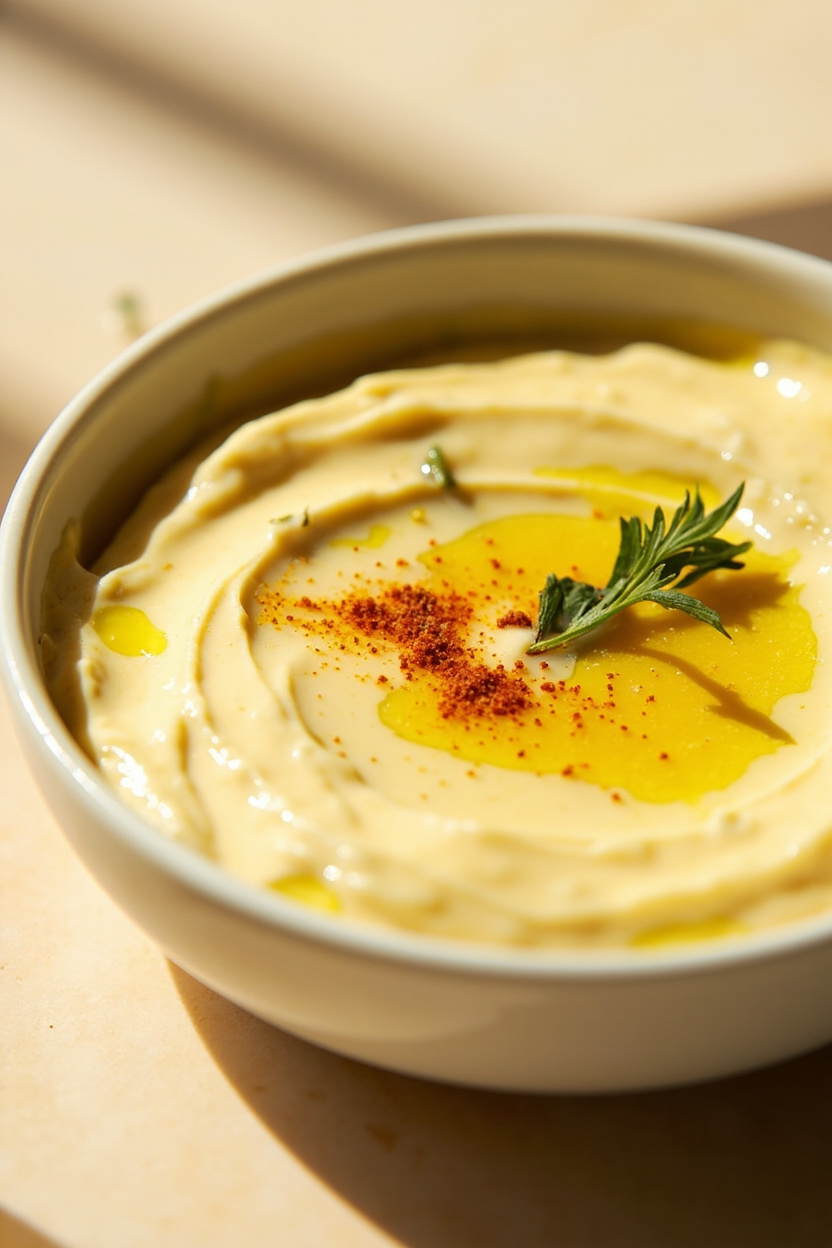
- Finish texture: If too thick, whisk in 1 tsp of warm water to loosen; if thin, whisk in 1 tsp more oil. The final texture should coat a spoon and leave a clean line when dragged across the surface.
- Rest and marry: Transfer to a covered container and chill at least 30 minutes. The garlic will mellow, the scent will settle, and the mouthfeel will become silkier.
Chef’s Quiet Tricks for Bold, Stable Garlic Flavor
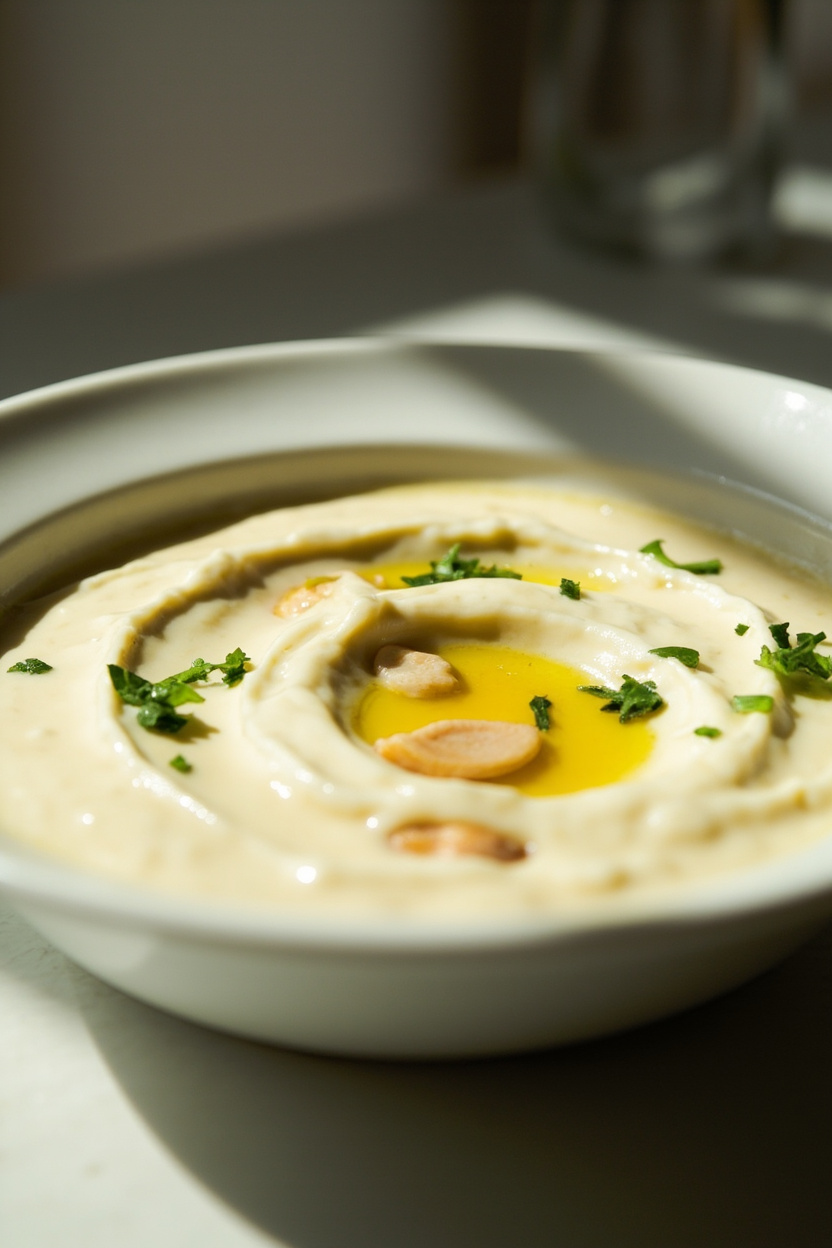
Temper ingredients for stability
Cold yolks and oil raise the risk of breaking. Let egg yolks sit at room temperature briefly to improve emulsification kinetics.
If your kitchen is chilly, warm the bowl slightly with your hands to encourage cohesion.
Use garlic thoughtfully
Raw garlic is potent; mince and let it rest with lemon for 5 minutes to mellow the harsh sulfur and develop sweeter aromatics.
For a gentler garlic flavor, roast a clove, mash it, and fold it in at the end.
Fixing a broken aioli
If the emulsion splits, start a new yolk in a clean bowl and slowly whisk the broken aioli into it, drop by drop.
The fresh lecithin rescues the fat and rebuilds a stable emulsion.
Keep the oil flow slow
Patience is your friend. A slow stream of oil gives protein and phospholipids time to surround droplets, producing a velvet texture rather than a greasy mouthfeel.
How to Store Garlic Aioli?
- Room temperature: Do not leave aioli out for more than 2 hours due to raw egg safety.
- Fridge: store in an airtight container for up to 5 days; flavors will mellow but remain vibrant.
- Freezing: not recommended, as the emulsion separates and the texture becomes grainy when thawed.
Variations and Substitutions
- Lemon-anchovy: Add 1 anchovy fillet for umami depth; perfect with roasted fish.
- Herb bright: Fold in chopped parsley, chives, or tarragon for herbaceous freshness.
- Smoked paprika: Stir in 1 tsp smoked paprika for a smoky, Spanish-style aioli for tapas.
- Egg-free: Use 100 g silken tofu or aquafaba in place of yolks for a vegan aioli – adjust oil slowly to emulsify.
Nutrition Information
This garlic aioli is high in healthy fats and provides fat-soluble vitamins from olive oil. It is low in carbohydrates and offers trace protein from egg yolks.
The recipe is gluten-free and dairy-free, and with low-carb counts, it suits keto-friendly plans.
Frequently Asked Questions
Store in an airtight container; it keeps for up to 5 days. Discard if you notice any off smell or separation that won’t re-emulsify.
Yes, use aquafaba or silken tofu as an egg-free base, or use pasteurized yolks to reduce food-safety concerns.
Garlic aioli emphasizes fresh garlic and often uses olive oil for flavor, while mayonnaise is a neutral emulsion; aioli typically has a more pronounced garlicky aroma.
Absolutely, roasted garlic yields a sweeter, milder flavor. Reduce raw garlic or omit it to keep the balance when using roasted cloves.
