
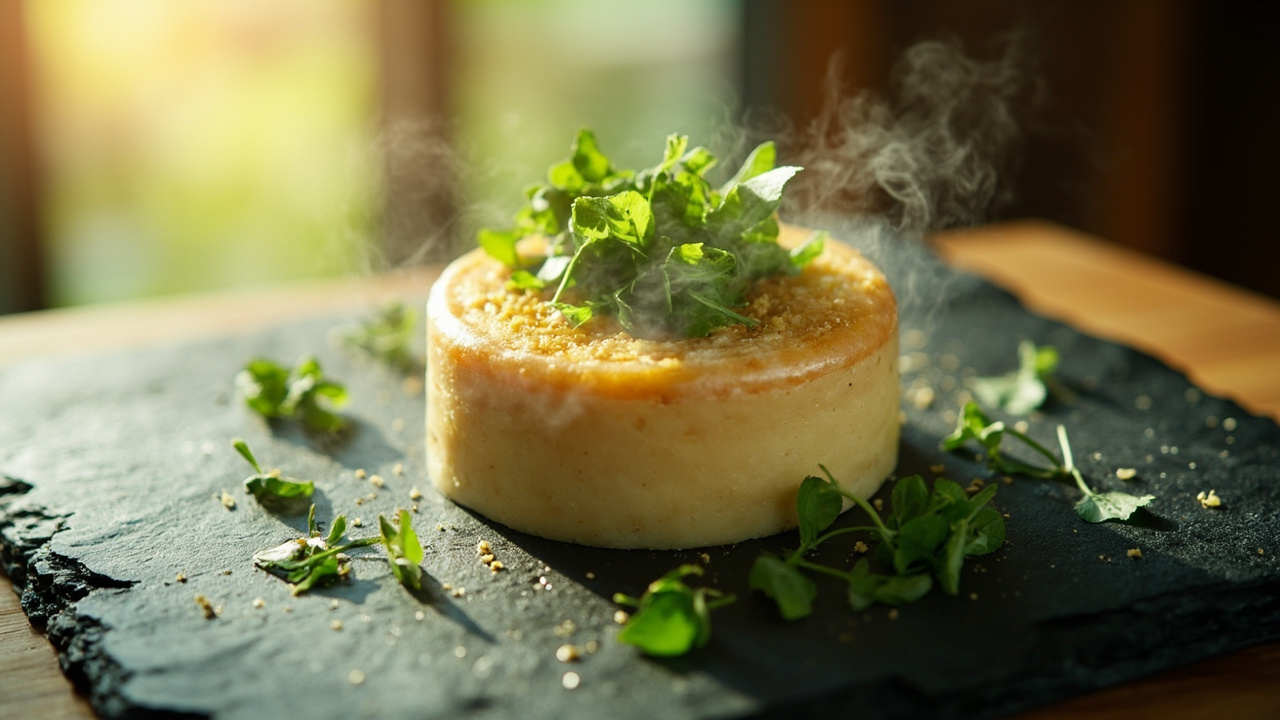
I first encountered the idea of a fries cake and was immediately curious about texture, flavor, and structural logic.
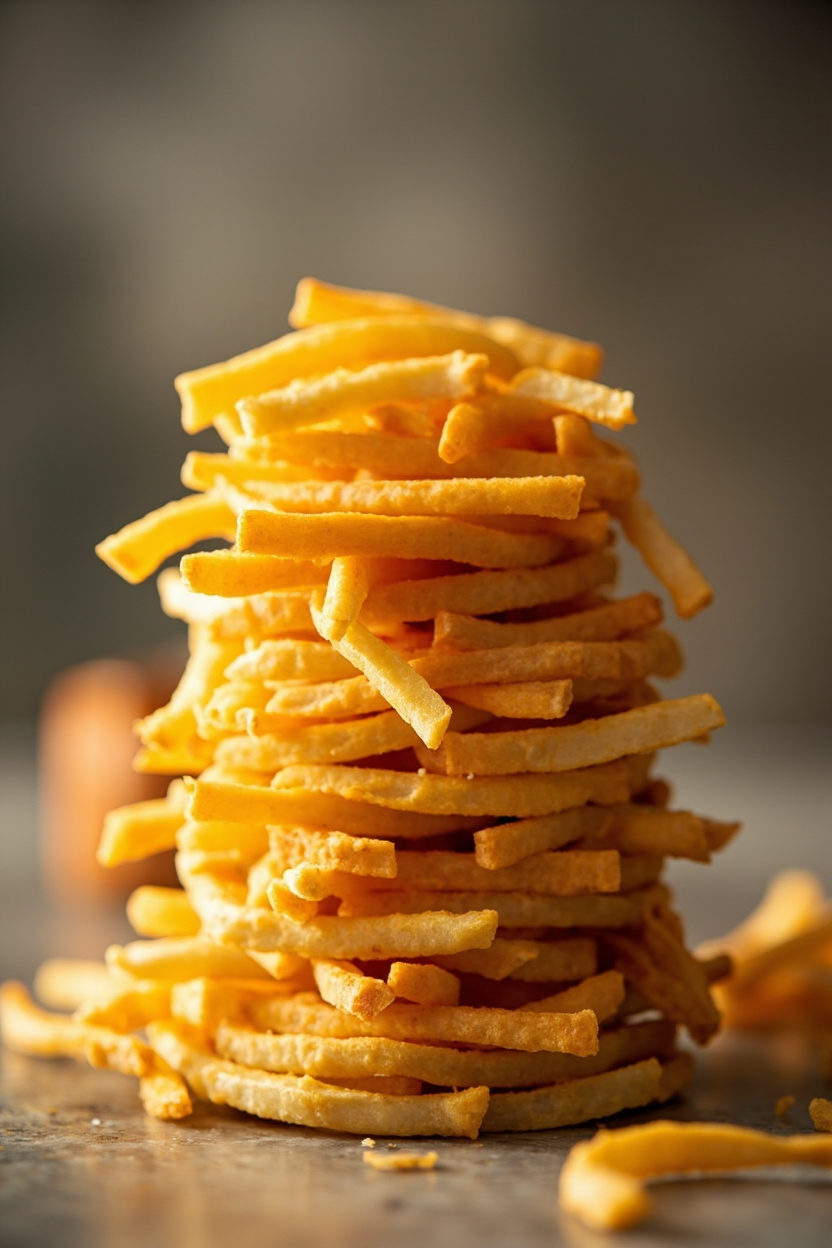
A fried cake layers crisp, golden fries into a stack that reads like a savory cake – crunchy exterior, tender interior, and concentrated potato flavor.
I found that the magic is in controlling starch behavior and moisture so each layer stays distinct yet cohesive.
Notice how the contrast between crunchy outer edges and creamy inner walls makes each bite thrilling.
You get salt, Maillard complexity, and a comforting starch backbone that begs for acidic or creamy contrast. If you like homemade fries and enjoy tinkering with crispiness, this is a must-make.
Fries Cake
Equipment
- Large pot or deep fryer – for precise frying temperature control
- Mandoline or sharp knife – for consistent fries thickness
- Wire rack and baking sheet – to drain and keep fries crisp
- 6-inch cake ring or springform – to assemble the fries cake
Ingredients
- 900 g 2 lb Russet potatoes, peeled and cut into 10 mm (3/8 inch) fries
- 1 L 4 cups cold water for soaking
- 30 g 2 tbsp kosher salt
- 240 ml 1 cup vegetable oil for frying
- 30 g 1/4 cup grated Parmesan (optional)
Instructions
- Soak: Place cut potatoes in cold water with 15 g of the salt. Refrigerate for 30 minutes, then rinse, and pat dry. I found soaking crucial to remove surface starch so fries crisp, not glue together.
- Par-fry: Heat oil to 160 C (320 F). Fry batches for 3-4 minutes until soft but not browned. Remove to a wire rack. Notice how a pale, slightly wrinkled surface signals readiness for crisping.
- Chill briefly: Cool par-fried fries 10 minutes. Cooling firms the starch gel so they hold shape when stacked, which helps with fries cake assembly.
- Crisp-fry: Heat oil to 190 C (375 F). Fry batches until golden brown, 2-3 minutes. Drain and toss immediately with remaining salt and optional Parmesan to adhere while oil is hot.
- Assemble: Line a 6-inch cake ring with parchment. Layer fries vertically and tightly, pressing gently after each layer. You want visible strata, a crunchy edge, and a softer core.
- Finish: Bake at 180 C (350 F) for 5 minutes to meld layers if needed. Remove ring, slice like a cake. You’ll smell toasted notes and see steam-condensed inner walls when cut.
Notes
- Soaking is key: Ice water removes excess starch, ensuring maximum crispiness.
- Two-stage frying: Low-then-high temperature prevents interior collapse while producing a crisp exterior.
- Assembly tip: Use a cake ring and gentle compression so layers retain air pockets for texture contrast.
Why This Fries Cake Taste So Good?
The Maillard reaction contributes deep, savory brown crusts that deliver roasted potato flavor and aromatic compounds.
I found that the crisp, caramelized edges form intense flavor pockets that contrast the creamy interior.
Controlled starch gelatinization inside the fry creates a tender, almost fluffy center. When you par-fry at a lower temperature, you set that gelatin structure, which prevents collapse during final crisping.
Layering vertical fries preserves air pockets and minimizes steam trapping. Notice how the architecture lets moisture escape sideways, keeping outer layers crunchy while inner walls stay soft.
Salt and optional umami toppings like Parmesan or smoked paprika enhance perceived savoriness. I use a final hot-oil toss so seasonings adhere while the surface is still tacky.
The Must-Have Ingredients for Your Fries Cake
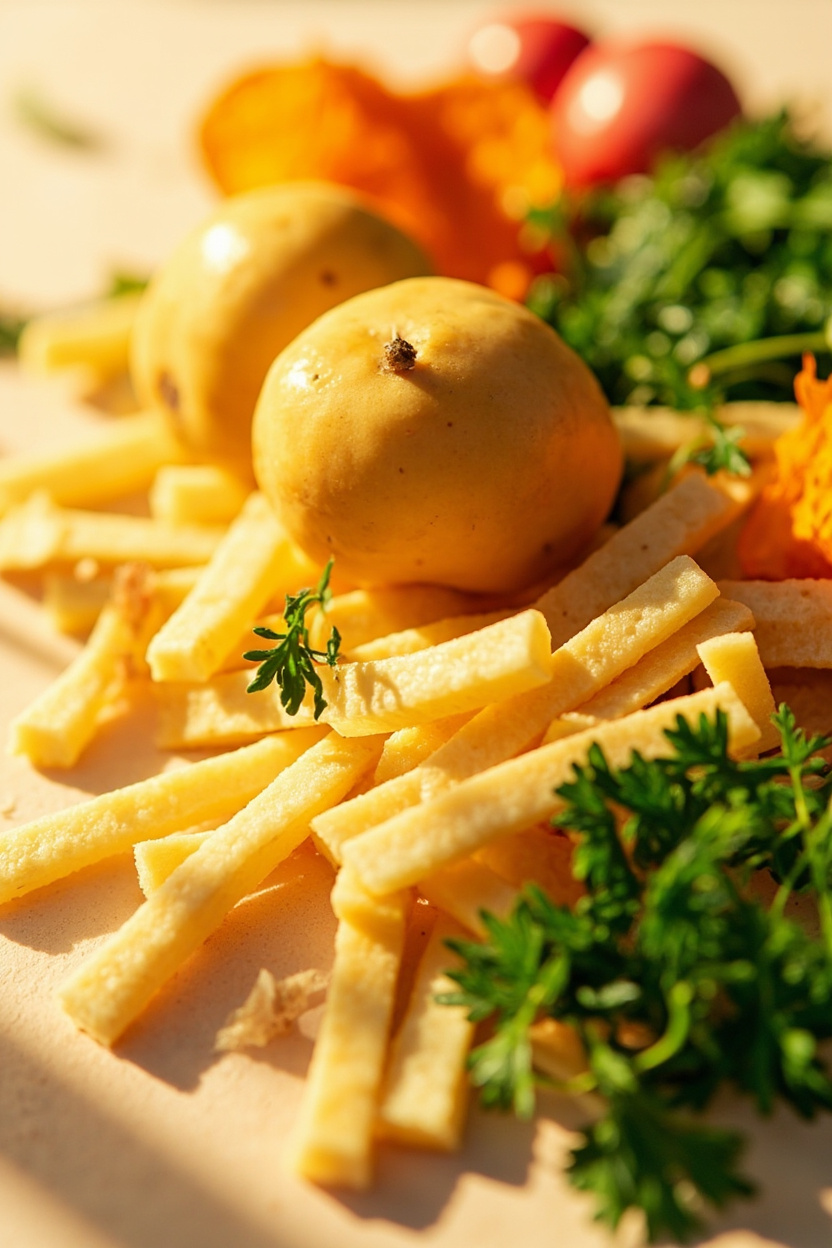
- 900 g (2 lb) Russet potatoes: high amylose content for fluffy interiors and strong structure
- 1 L (4 cups) cold water: lowers surface starch concentration to prevent gummy fries
- 30 g (2 tbsp) kosher salt: draws moisture out slightly and enhances flavor via ionic taste receptors
- 240 ml (1 cup) vegetable oil: high smoke point lets Maillard chemistry run without burning
- 30 g (1/4 cup) grated Parmesan, optional: adds umami and dries the surface for better crisp adhesion
Kitchen Tools You’ll Need
- Deep fryer or heavy-bottomed pot with thermometer.
- Mandoline or sharp knife for uniform cuts.
- Wire rack and rimmed baking sheet for draining.
- 6-inch cake ring or springform pan for assembly.
Flip, Fold, Finish: The Creative Ritual to Build Your Fries Cake
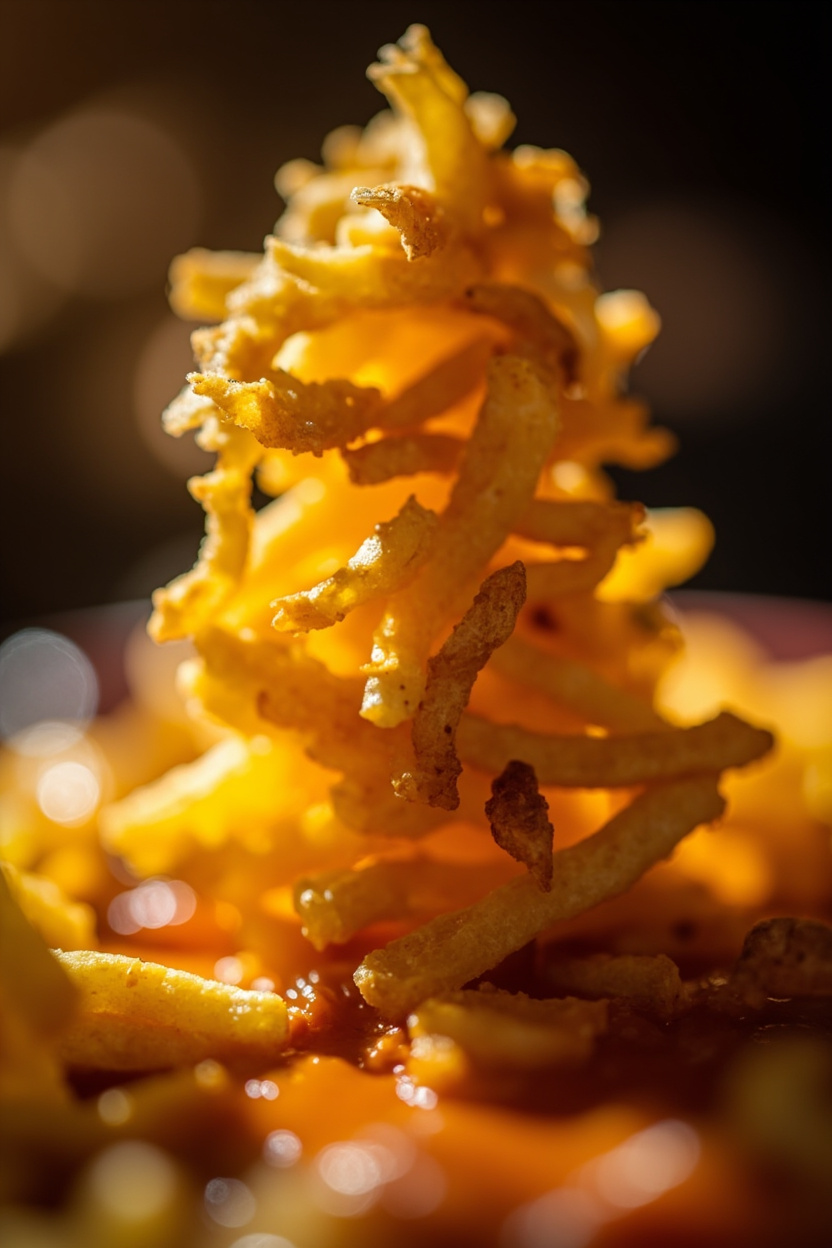
- Cut and soak. Cut potatoes uniformly. Soak in cold water for 30 minutes. I watch the water turn cloudy – that’s starch leaving the surface, and you want that gone.
- Dry and season. Pat fries completely dry and toss with a little salt. Dryness is the baseline requirement for crisp fries; any residual water will steam them instead.
- Par-fry at 160 °C (320 °F). Fry until just tender, about 3-4 minutes. The surface should look matte and slightly shriveled rather than brown.
- Cool, then crisp. Raise the oil to 190 C (375 F) and fry until golden, 2-3 minutes. Listen for a steady high-pitched sizzle and smell toasted potato notes.
- Assemble the cake. Use a cake ring on parchment. Stand fries vertically and pack tightly. Press gently so they lock together but retain micro-air pockets that promise crunch.
- Short bake to unify. Bake at 180 C (350 F) for 5 minutes if you want the structure to hold longer. The aroma will shift from frying to warm roasted potato, and the top should sparkle with tiny oil droplets.
Pro Secrets to Keep Every Layer Perfect
Control Moisture
Soak cut fries in cold water to remove surface starch, then dry thoroughly. I found that even slight dampness undermines crispiness, so use a clean towel and air-dry briefly.
Use Two-Stage Frying
Par-fry at a lower temperature, rest, then finish at high heat. You’ll preserve interior structure while maximizing exterior browning and crunch.
Avoiding Fries Cake Pitfalls
Too high initial temperature
If oil is too hot during the first fry, exteriors brown before interiors set. Fix: start at 160 C and check tenderness before increasing the heat.
Overcrowding the fryer
Crowding lowers oil temperature and produces soggy fries. Fix: Fry in small batches and monitor the thermometer for consistent temps.
Variations and Substitutions
- Swap Yukon Gold for Russet for a creamier interior and slightly sweeter flavor.
- Toss fries with smoked paprika or truffle salt for a flavor twist.
- Use air-fried fries following the two-stage approach for less oil absorption.
- Add thinly sliced onions between layers for sweet-savory contrast.
How to Store fries cake?
- Room temperature: best eaten immediately within 1-2 hours to keep crisp layers.
- Fridge: store tightly wrapped up to 2 days; re-crisp in a 200 C (400 F) oven for 6-8 minutes.
- Freezer: flash-freeze layers on a tray, then freeze up to 1 month; reheat directly from frozen at 200 C until hot and crisp.
Nutrition Information for Fries Cake
A typical serving provides carbohydrates from potatoes, moderate fat from frying oil, and some protein if Parmesan is used. It offers vitamin C and potassium from potatoes.
Not gluten-free only if cross-contaminated; naturally dairy-free unless you add cheese. Adjust oil and portions to fit low-fat goals.
Ready to Make Fries Cake?
This fries cake is worth making because it turns a simple fries recipe into a structured, textural experience that rewards careful technique. Try the two-stage frying and tight assembly and I think you’ll be surprised at how a humble potato can become a showstopper.
Frequently Asked Questions
Yes, you can, but I found fresh-cut fries yield better texture. If using frozen, follow the packaging for par-cook and crisp in hot oil or oven before assembly.
The outer layers stay crisp for 1-2 hours; interior layers soften as steam equilibrates. Re-crisp in a hot oven to restore texture.
It’s both. It functions as an impressive side or snack, and when you control moisture and frying steps, it’s reliably delicious, not just a gimmick.
