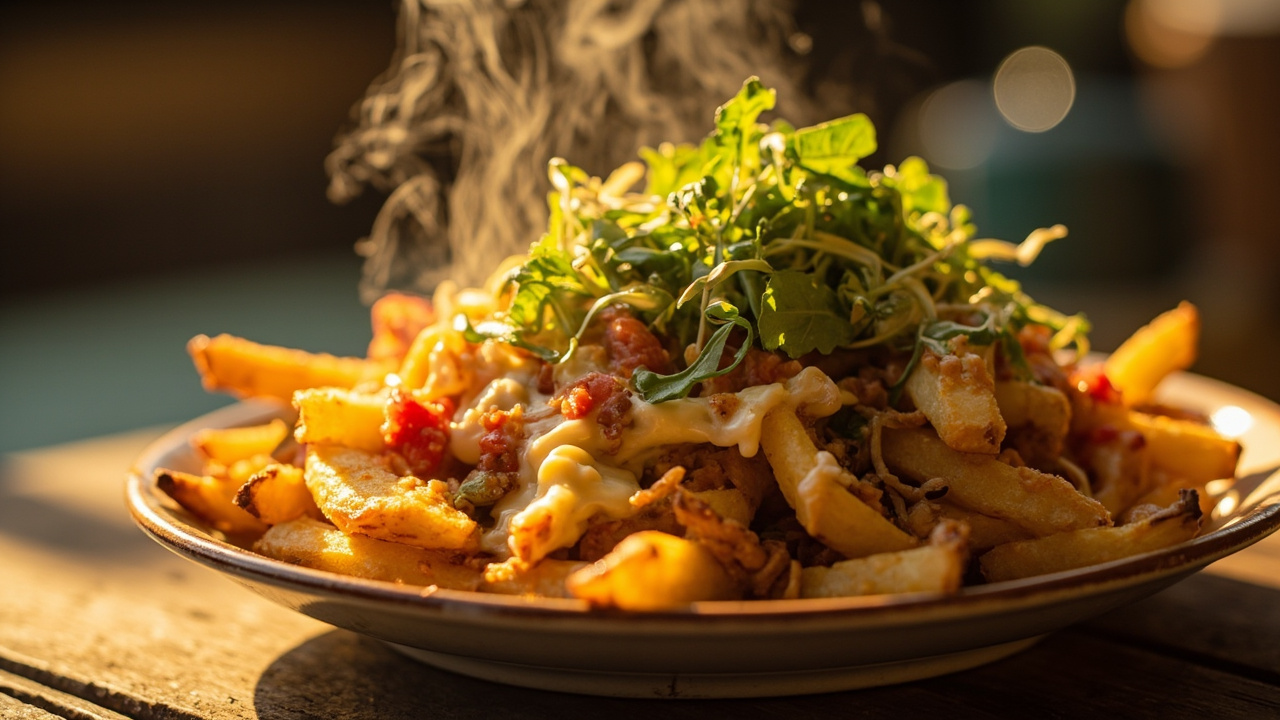
I love the satisfying clash of hot, crisp fries smothered in melty cheese, sweet-tangy sauce, and soft grilled onions, so an animal fries recipe is a must-make for anyone who likes texture contrasts.
I found that the magic lies in balancing oil temperature, starch management, and sauce acidity.
Notice how the crunch-to-creamy transition keeps you coming back for another forkful.
If you care about the why behind cooking, this animal style fries, cheese fries with grilled onions, fast food copycat recipe will teach you about starch gelatinization, Maillard browning, and emulsion stability as you make one of the most indulgent loaded fries at home.
Animal Fries Recipe
Equipment
- Fryer or heavy-bottomed pot – for deep frying or shallow fry control
- Wire rack and baking sheet – to drain and keep fries crisp
- Skillet (preferably cast-iron) – for caramelizing onions
- Mixing bowls and whisk – for emulsifying the animal sauce
Ingredients
- 900 g 2 lb Russet potatoes, peeled and cut into 1 cm sticks
- 1 L 4 cups neutral oil
- 60 g 1/4 cup unsalted butter
- 200 g 7 oz American or cheddar cheese
- 1 medium onion ~150 g (1 cup sliced)
- 120 g 1/2 cup mayonnaise
- 60 g 1/4 cup ketchup
- 25 g 2 tbsp sweet pickle relish
- 5 g 1 tsp yellow mustard
- 3 g 1/2 tsp kosher salt and 1 g (1/4 tsp) black pepper
Instructions
- Soak the cut potatoes in cold water for 20-30 minutes, then dry thoroughly. I found that removing surface starch prevents sticking and improves crisping.
- Heat oil to 130°C (266°F) for the first blanch fry. Fry potatoes in batches for 4-5 minutes until soft but pale. Drain on a rack. This gentle blanch sets the interior starch without excessive browning.
- Increase oil to 180°C (356°F). Fry blanched potatoes in batches for 2-3 minutes until golden brown and crisp. Notice how the exterior forms a rigid crust while the interior stays tender.
- While fries finish, melt butter in a skillet over medium heat. Add sliced onions and a pinch of salt. Cook, stirring, for 8-12 minutes until deep golden and jammy. The onion sugars break down; you should smell sweet, caramel aromas.
- Make the animal sauce: whisk mayonnaise, ketchup, relish, mustard, 1/4 tsp salt, and a pinch of pepper until smooth. Taste and adjust acid-sweet balance; the emulsion should be glossy and slightly tangy.
- Pile hot fries on a serving tray, layer shredded cheese over them, then spoon hot grilled onions on top. The residual heat melts the cheese; if needed, pop under a broiler for 30-60 seconds to achieve a gooey finish.
- Drizzle the animal sauce over the piled fries, season with extra salt if needed, and serve immediately. Notice the contrast between the crisp fry, molten cheese, and silky sauce with sweet onion hits.
Notes
- Soaking is key: Ice water removes excess starch, ensuring maximum crispiness.
- Batch frying: Avoid crowding to maintain oil temperature and prevent soggy fries.
- Sauce balance: Adjust relish and vinegar to get the right sweet-tart profile like classic animal style fries.
- Cheese choice: American melts most uniformly; sharp cheddar adds flavor but may not form a silky blanket.
Kitchen Tools You’ll Need
- Heavy-bottomed pot or deep fryer – to control steady frying temperatures.
- Wire cooling rack and baking sheet – for draining without steaming fries.
- Cast-iron skillet – for even, high-heat caramelization of onions.
- Thermometer – to monitor oil temperature precisely for blanch and crisp stages.
The Flavor Stack: Must-Have Parts for Legendary Animal Fries
- 900 g (2 lb) Russet potatoes: Potatoes high in amylose create a fluffy interior and crisp exterior due to starch gelatinization and crust formation.
- 1 L (4 cups) neutral oil: high smoke point oil allows Maillard browning without off-flavors from oxidation.
- 60 g (1/4 cup) unsalted butter: butter’s milk solids accelerate onion browning and add mouthfeel through milk fat.
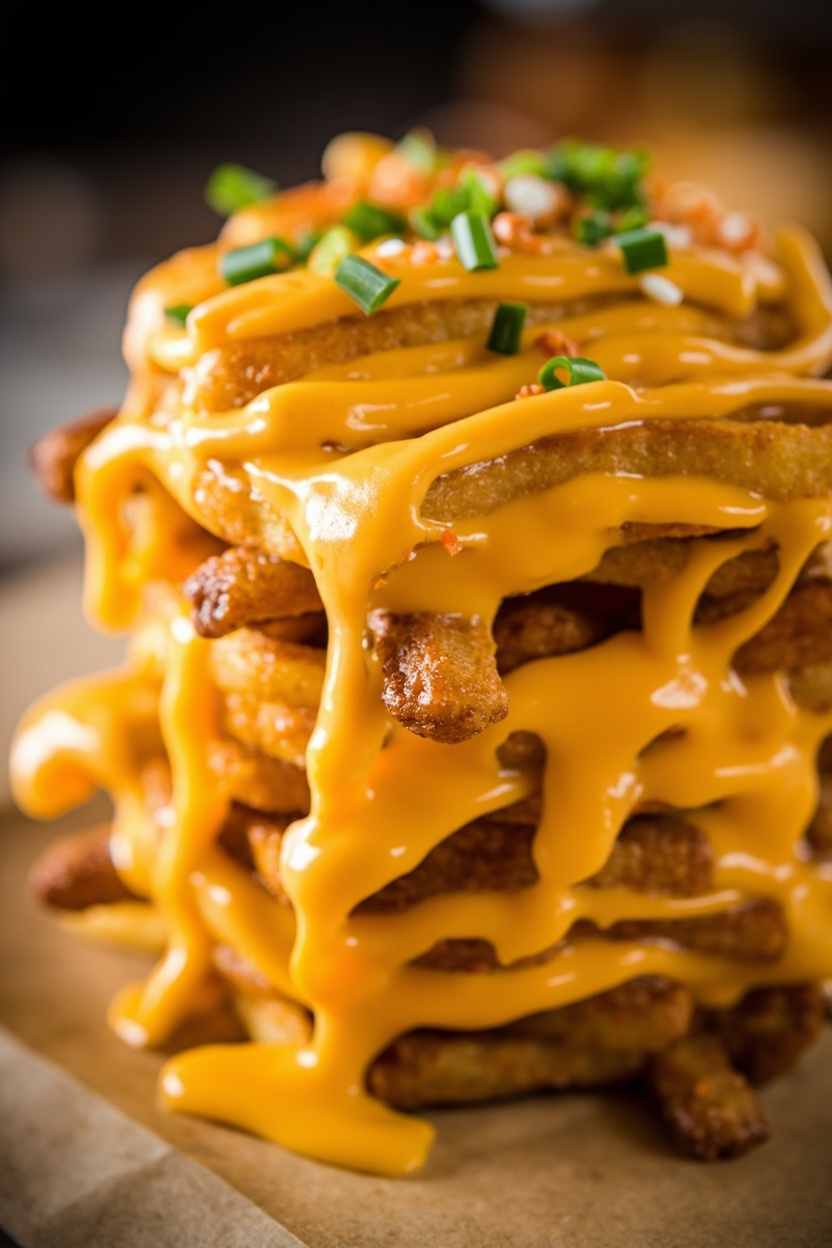
- 200 g (7 oz) American or cheddar cheese: emulsifying fats in cheese melt uniformly to form a cohesive cheese layer.
- 120 g (1/2 cup) mayonnaise: creates a stable emulsion that carries acidity and binds sauce ingredients.
- 60 g (1/4 cup) ketchup: tomato solids and sugar supply umami and sweetness to balance the sauce.
- 25 g (2 tbsp) sweet pickle relish: acid and textural contrast from brined cucumbers enhances bite-to-bite interest.
Sizzle-to-Serve: Building Your Perfect Animal Fries Plate
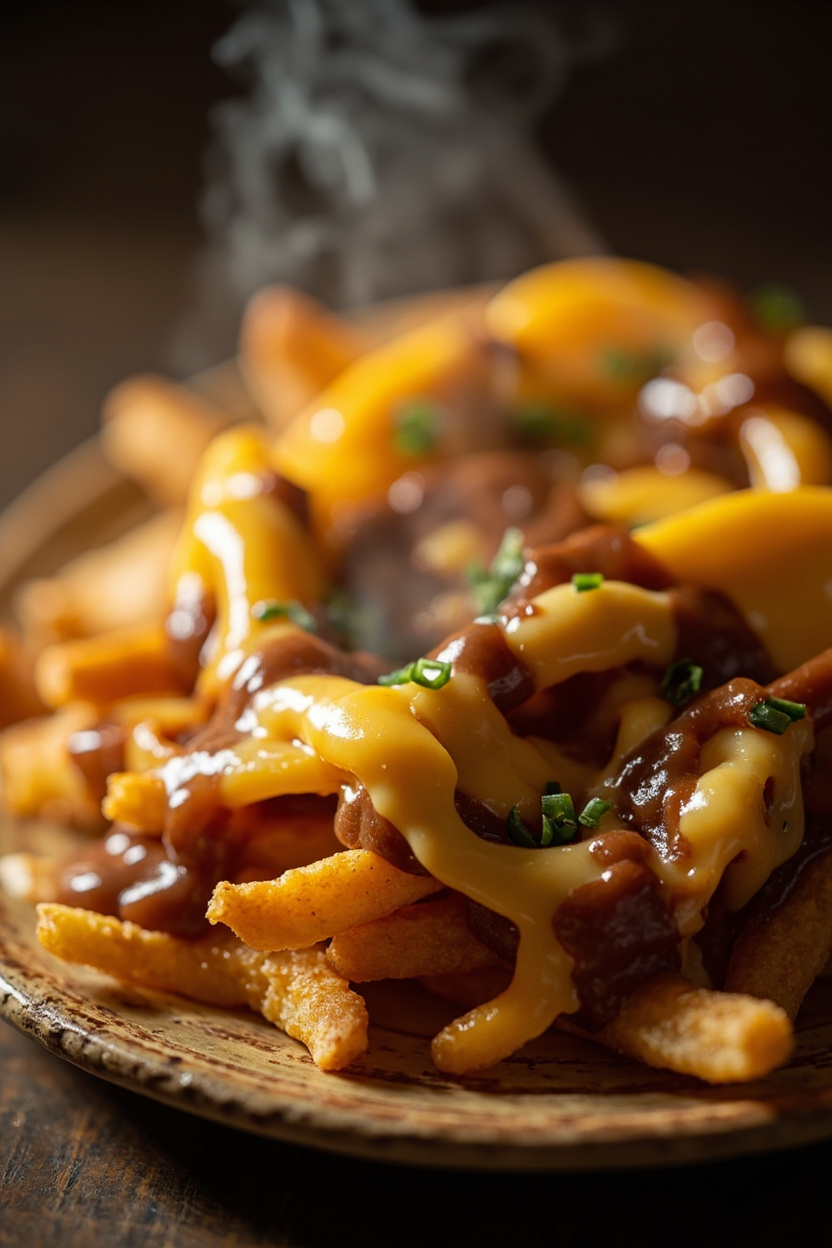
- Prep and soak. Cut potatoes into even 1 cm sticks. I found that uniform size yields consistent cooking. Soak 20-30 minutes to leach surface starch; the water will cloud as starch releases.
- Dry thoroughly. Use a clean towel to remove moisture. If you skip this, oil splatter increases and fries steam instead of crisping.
- Blanch fry. Heat oil to 130°C (266°F). Fry in small batches for 4-5 minutes until the interior feels tender when pierced and the exterior stays pale. The blanch sets the interior starch network without significant browning.
- Rest on a rack. Spread blanched fries on a wire rack to cool and dry, preserving the crust potential for the final fry.
- Caramelize onions. Melt butter in a skillet over medium heat, add sliced onions and a pinch of salt. Cook 8-12 minutes until deep golden and jammy. Notice the aroma shift from sharp sulfur to sweet, complex notes as sugars break down.
- Final fry. Raise oil to 180°C (356°F). Fry blanched fries in batches for 2-3 minutes until golden brown and crackling. The outer surface should feel rigid and crunch when tapped.
- Make the sauce. Whisk mayonnaise, ketchup, relish, and mustard. I adjust sugar or vinegar slightly until the sauce is bright and balanced. The emulsion should be glossy, not separated.
- Assemble hot. Layer fries on a tray, scatter shredded cheese, spoon hot onions, and let residual heat melt the cheese. If needed, broil for 30-60 seconds to finish melting into a uniform blanket.
- Finish with sauce. Drizzle the animal sauce over everything and serve immediately. You’ll notice a pleasing contrast between crunchy fry shards, gooey cheese, silky sauce, and sweet onion rounds.
Pro Tips: Avoiding Animal Fries Recipe Pitfalls
Oil temperature is too low
If the oil is under 170°C, fries absorb oil and become soggy. Fix by using a thermometer, fry in small batches, and keep the oil at 180°C for the final crisp stage.
Overcrowding the fryer
Crowding drops oil temp and increases steam. Fry in single layers and use a wire rack to drain. If you must cook many, work in sequential batches and hold finished fries in a 100°C oven on a rack.
Onions burned or undercooked
High heat leads to bitter, burned edges. Cook onions over medium heat with patience; the Maillard pathway takes time. Add a splash of water if they brown unevenly to rescue them.
Sauce separation
If the sauce weeps, the emulsion failed. Use room-temperature mayo, whisk briskly, and add a teaspoon of vinegar if it needs stabilization. Chill briefly before serving if it seems loose.
Keep Animal Fries Crispy Every Time
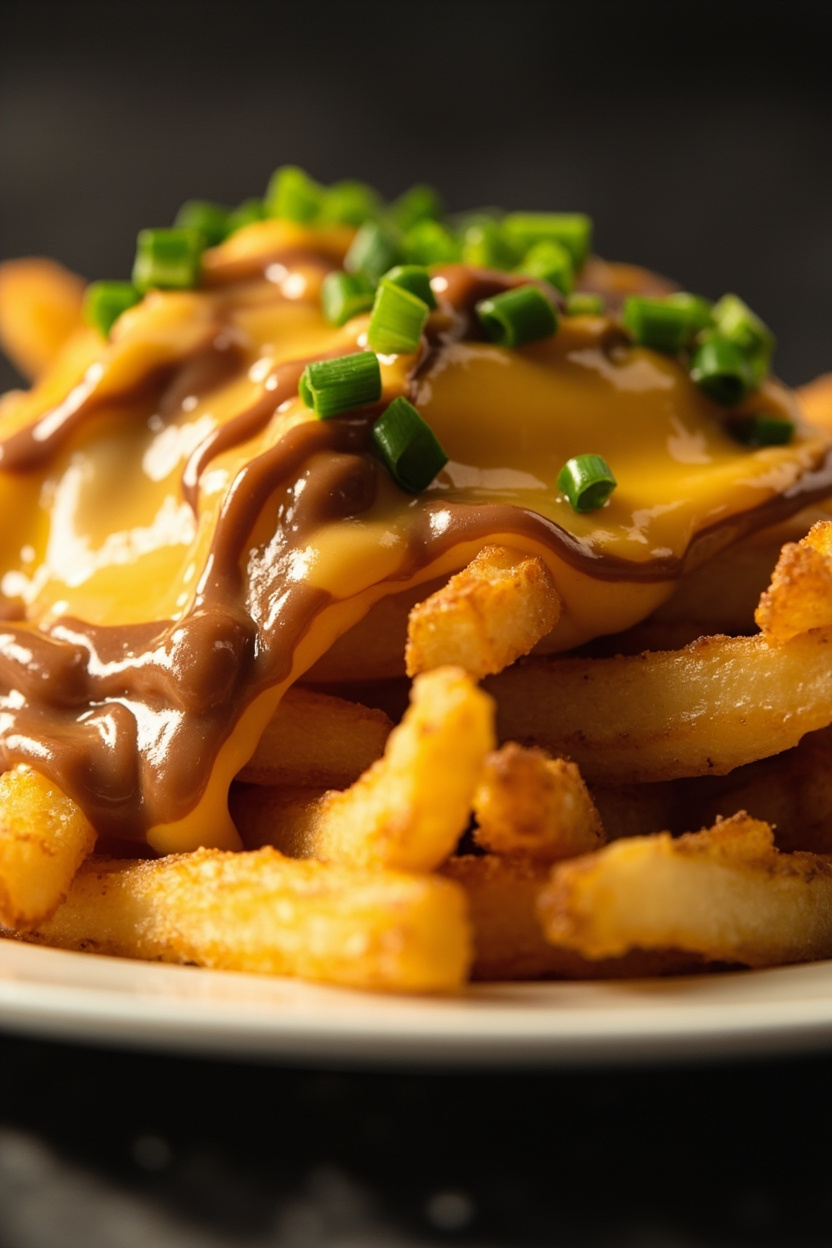
Double-fry method
Double frying separates starch gelatinization and crust formation; the first low-temp fry cooks the interior, the second high-temp fry creates a crisp shell. You get lighter interiors and crunchier exteriors.
Use a wire rack
Draining on a rack prevents steam from rehydrating the fries. Keep them single-layered and briefly oven-warm before assembly to maintain heat and texture.
How to Store animal fries recipe?
For the short term, keep components separate at room temperature for up to 2 hours.
Refrigerate assembled leftovers in an airtight container for up to 3 days, though crispness degrades.
Freeze fries before saucing for up to 1 month; reheat in a hot oven or air fryer to restore crispness before adding warm onions and sauce.
Is Animal Fries Recipe Healthy?
This animal fries recipe is indulgent and energy-dense, offering protein and calcium from cheese and some vitamin C and potassium from potatoes.
It is not low-fat. It can be made gluten-free if all components are gluten-free; dairy-free versions require vegan mayo and cheese substitutes, but will alter melt behavior.
Frequently Asked Questions
Yes. Use oven or air-fryer directions to get them crisp, then layer with hot cheese and onions. Frozen fries skip soaking but may need a minute under the broiler to melt cheese.
Swap dairy cheese for a melting vegan cheese and use vegan mayonnaise. Note that melt and mouthfeel will differ due to protein and fat differences.
Prepare the sauce and caramelized onions ahead and refrigerate up to 3 days. Re-crisp fries in an oven or air fryer just before serving for the best texture.
Wrapping Up
This animal fries recipe rewards attention to temperature, timing, and ingredient function.
I found that small technical tweaks, such as soaking, double frying, and a well-balanced sauce, turn ordinary fries into an addictive plate. Try it and notice how understanding the science improves every bite.
