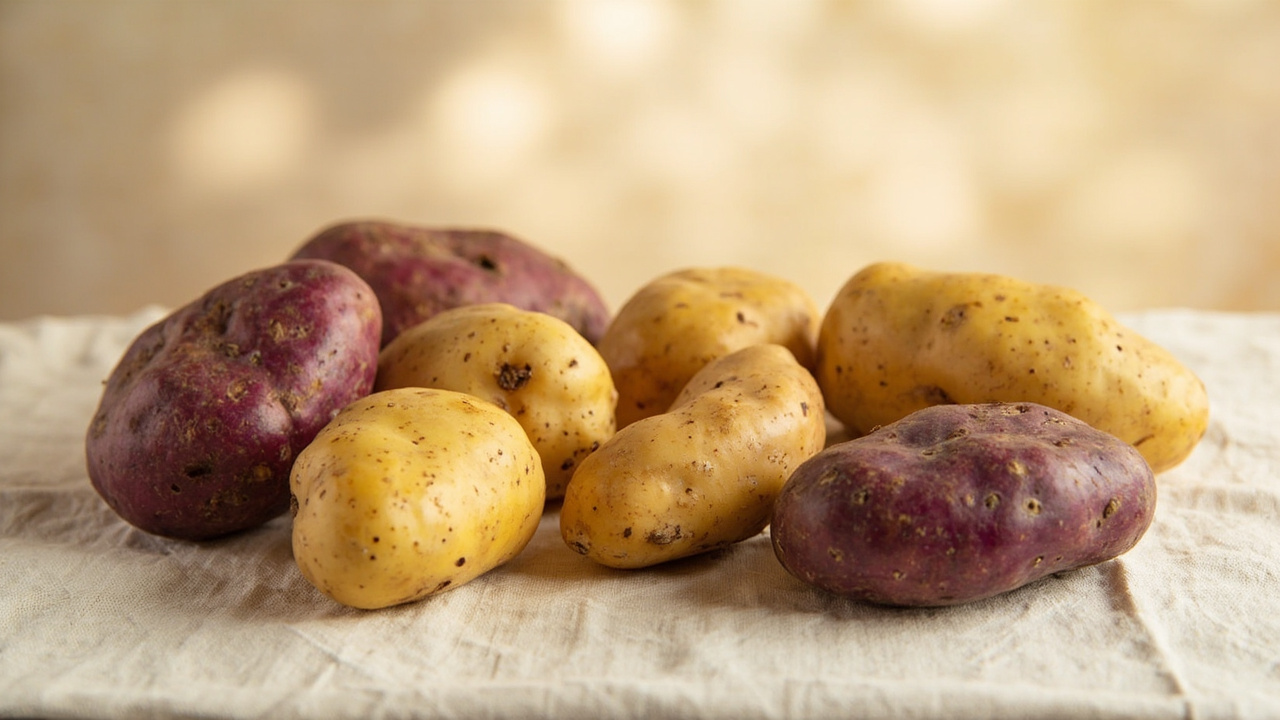
Heirloom potato varieties carry stories as old as settlement and agriculture: some date to Victorian kitchens, others to 19th-century farms in Europe and the Americas.
A surprising fact: many heirloom varieties predate modern breeding programs and can trace unbroken cultivation lines for more than a century.
Gardeners and chefs prize them for flavor and history, yet gardeners should know these varieties often have lower disease resistance than modern cultivars, which affects how to grow and maintain them.
- What Are Heirloom Potato Varieties? Definition, History
- Top Heirloom Potato Varieties by Type
- Benefits of Growing and Eating Heirloom Potatoes: Flavor, Nutrition, Biodiversity, and Cultural Value
- How to Choose the Right Heirloom Potato Variety for Your Garden and Kitchen?
- Step-by-Step Guide to Planting and Growing Heirloom Potatoes: Seed Selection, Planting, Care, and Harvest
- Soil, Fertility, and Pest/Disease Management for Heirloom Potatoes
- Storing, Preserving, and Cooking Heirloom Potatoes
- Common Mistakes to Avoid When Growing Heirloom Potatoes
- Resources for Sourcing True Heirloom Seed Potatoes and Preserving Varieties
- Conclusion
- Frequently Asked Questions
What Are Heirloom Potato Varieties? Definition, History
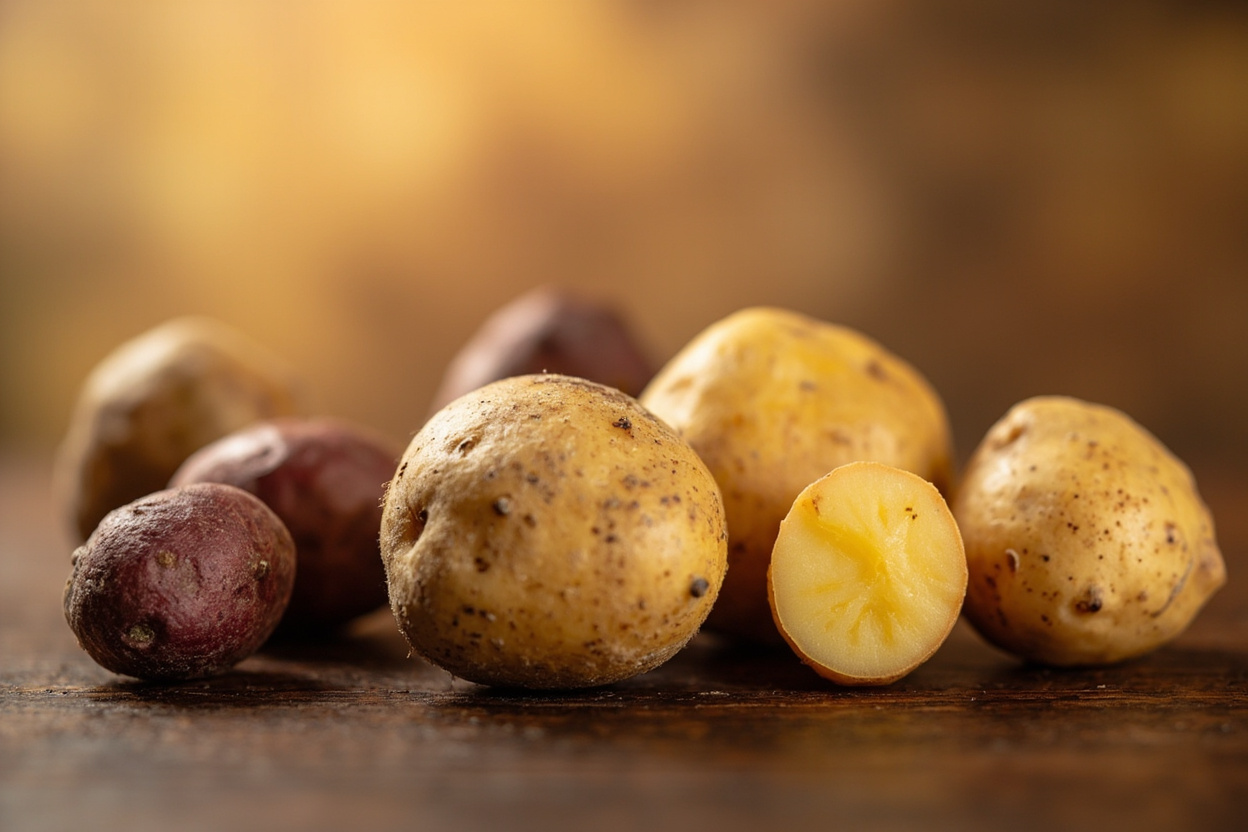
Heirloom potato varieties are cultivars that have been maintained and propagated over multiple generations, often by small growers, seed companies, or families, without the extensive hybridization and commercial breeding that characterize modern cultivars.
They frequently retain distinct flavors, colors, and culinary properties that modern breeding programs did not prioritize.
Historically, many arrived in Europe and North America in the 18th and 19th centuries and became locally adapted landraces.
Heirloom potatoes differ from modern cultivars in several practical ways: they often have more genetic diversity across traits such as skin/flesh color, tuber shape, and maturity.
They may be more variable plant-to-plant, and they commonly lack the disease resistance and uniformity selected by commercial breeders.
| Characteristic | Heirloom Varieties | Modern Cultivars |
|---|---|---|
| Genetic diversity | High, variable traits preserved | Breeding for uniform traits, targeted resistances |
| Disease resistance | Often lower, variable | Higher, bred for resistance to late blight, viruses |
| Flavor profile | Distinct, diverse, often richer | Consistent, optimized for yield/storage |
| Storage and yield | Variable; some store poorly, some excellent | Generally optimized for long storage and yield |
Top Heirloom Potato Varieties by Type
Heirloom potatoes are often categorized by skin and flesh color or by shape and use. Below are representative varieties with short notes on their origin, culinary use, and known weaknesses.
This is not exhaustive but highlights historically important and widely available heirloom types.
- Reds: examples: Red Pontiac, Irish Cobbler. Good for boiling and salads; often waxy.
- Whites: examples: King Edward (UK heritage), White Rose. Versatile: roasting, mashing.
- Yellows: examples: Yellow Finn, Yukon Gold (though Yukon Gold is often considered a modern introduction with heirloom-like traits). But classic heirlooms include German Butterball.
- Blues/Purples: examples: Blue Congo, Vitelotte. Deep pigments signal anthocyanins, appealing for color plates and antioxidants.
- Fingerlings: examples: Russian Banana, La Ratte. Small, elongated tubers prized for roasting and pan-frying.
- Specialty tubers: examples: Garnet Chile (red flesh), Pink Fir Apple (irregular shape). Often prized for niche culinary uses and heirloom markets.
| Variety | Type | Primary Use | Notes |
|---|---|---|---|
| King Edward | White/Floury | Roast, mash | |
| Russet Burbank | Russet/White | Fries, baking | Historic, widespread; many consider it an older commercial cultivar |
| La Ratte | Fingerling | Roasting, salad | Nutty flavor, firm texture |
| Blue Congo | Blue | Boil, visual plating | High pigment; color remains when cooked |
| Garnet Chile | Red flesh | Mashed, purees | Distinctive red flesh and flavor |
Benefits of Growing and Eating Heirloom Potatoes: Flavor, Nutrition, Biodiversity, and Cultural Value
Heirloom potatoes often offer unique flavor and texture profiles not commonly found in supermarket varieties.
Chefs value specific heirloom varieties for their butteriness, nuttiness, or dry floury textures that produce superior fries, mash, or delicate pan-roasted tubers.
Nutritionally, some colored-flesh potatoes (blue, purple, red) contain higher levels of polyphenols and anthocyanins, which are associated with antioxidant activity.
- Flavor diversity: distinctive profiles for specialized cooking uses.
- Biodiversity: preserving multiple varieties reduces genetic erosion and maintains traits that may be useful to breeders.
- Cultural value: wide varieties carry regional histories and culinary traditions.
Growers and conservationists stress that cultivating and maintaining heirloom varieties supports agricultural resilience.
While modern breeding targets yield, disease resistance, and storage, heirlooms capture alleles for taste, texture, and local adaptation that might be needed in future breeding for flavor or climate adaptation.
How to Choose the Right Heirloom Potato Variety for Your Garden and Kitchen?
Selecting a suitable heirloom begins with matching variety traits to your climate, soil type, and kitchen needs.
Early versus late maturity affects harvest timing: early varieties suit short-season climates, while maincrop or late varieties offer longer storage but need a longer frost-free period.
Soil texture and fertility influence tuber shape and disease susceptibility; loose, well-drained soils reduce scab and rot risk.
| Factor | Considerations | Recommended Variety Traits |
|---|---|---|
| Climate | Growing season length, heat, frost | Short season: early maturing; Warm climates: heat-tolerant, drought-resilient |
| Soil | Texture, pH, drainage | Loose loam, pH 5.5–6.5; avoid heavy, waterlogged soils |
| Disease pressure | Choose varieties with known field tolerance, rotate crops, and use certified seed | Choose varieties with known field tolerance, rotate crops, use certified seed |
| Storage needs | Short vs. long storage | Maincrop varieties for storage; fingerlings for fresh use |
When choosing, consult local trial reports and seed sellers for region-specific performance.
For gardeners in blight-prone areas, prioritize varieties with documented field tolerance or plan for intensive cultural controls like hilling, air circulation, and timely fungicide applications if permitted.
Step-by-Step Guide to Planting and Growing Heirloom Potatoes: Seed Selection, Planting, Care, and Harvest
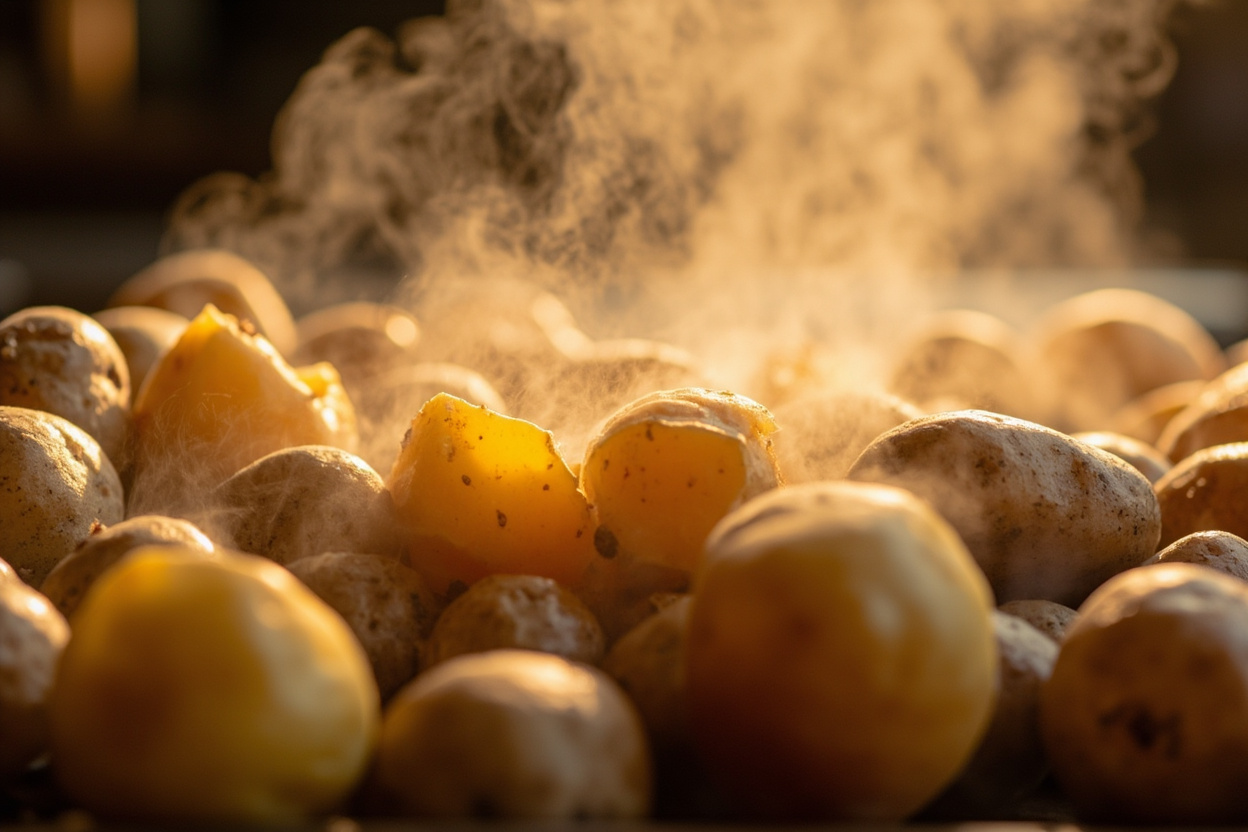
Successful heirloom potato culture starts with true seed potatoes (tuber seed pieces) sourced from reliable suppliers or saved from healthy crops. Saving your own tubers is possible but requires strict selection to avoid disease buildup.
Certified seed reduces virus pressure and gives you a healthier start.
- Seed selection: buy certified seed or use healthy, disease-free tubers saved from the best plants;
- Chitting: pre-sprout tubers indoors for 2–4 weeks in cool light to encourage strong sprouts;
- Planting: plant after risk of hard frost, 10–15 cm (4–6 in) deep, 30–40 cm (12–16 in) between plants, 75–90 cm (30–36 in) between rows;
- Hilling: mound soil around stems as plants grow to protect tubers from the sun and boost yield;
- Watering: provide consistent moisture during tuber bulking; avoid waterlogged conditions.
- Fertilizer: apply balanced fertility; avoid excessive nitrogen late in season to reduce foliage-late blight susceptibility;
- Harvest: new potatoes can be dug at flowering; maincrop when foliage dies back, lift gently to avoid bruising tubers.
Below is a seasonal timeline to coordinate tasks for a temperate region with a single frost-free season.
| Stage | Timing | Key Tasks |
|---|---|---|
| Pre-plant | 2–4 weeks before planting | Plant seed pieces, water, and mulch if needed |
| Planting | After last frost | Plant seed pieces, water, mulch if needed |
| Vegetative growth | Weeks 2–8 | Hill, weed control, monitor for pests/disease |
| Tuber bulking | Weeks 8–14 | Consistent watering, reduce nitrogen, monitor blight |
| Harvest | After foliage senescence | Lift tubers, cure if storing, sort for seed and eating |
Soil, Fertility, and Pest/Disease Management for Heirloom Potatoes
Soil health is the single most important factor for healthy heirloom potato production. Potatoes prefer a loose, friable loam with good organic matter and neutral-to-slightly acidic pH.
Organic matter improves soil structure, moisture retention, and nutrient buffering-important for heirlooms that lack some modern robustness.
- Soil amendments: Apply compost and well-rotted manure before planting to improve tilth and nutrient availability.
- pH management: aim for pH 5.5–6.5; liming may be needed in very acidic soils, but avoid over-liming that favors scab.
Common pests and diseases include Colorado potato beetle, aphids (vectors for viruses), late blight (Phytophthora infestans), bacterial soft rot, and common scab (Streptomyces scabies).
Heirlooms often require more attentive cultural controls:
| Issue | Symptoms | Organic management |
|---|---|---|
| Colorado potato beetle | Striped beetles and defoliation | Resistant varieties when available, good airflow, copper fungicides under organic rules, and remove infected plants |
| Late blight | Dark lesions on leaves, rapid collapse | Lower soil pH slightly, keep soil moisture even, and avoid fresh manure |
| Common scab | Rough corky patches on tubers | Mosaic, stunting, and reduced tuber quality |
| Virus infections | Use certified seed, rogue infected plants, and control aphids | Use certified seed, rogue infected plants, control aphids |
Storing, Preserving, and Cooking Heirloom Potatoes
Storage life varies widely among heirloom varieties. Some, like certain maincrop russets, store for months under correct conditions; others, especially early or waxy types, have short storage windows.
Proper curing after harvest extends shelf life: keep tubers in the dark at 10–15°C and 85–95% relative humidity for 10–14 days to toughen skins.
- Storage conditions: cool (4–7°C for long-term storage of hardy types), dark, high humidity, good ventilation;
- Do not wash tubers before storage, brush off soil, and allow curing.
- Store seed potatoes separately at a slightly higher temperature (around 8–10°C) to maintain dormancy and reduce sprouting.
Culinary handling: match the texture to use. Floury russets and King Edward-like varieties give light, fluffy mash and crisp fries.
Waxy fingerlings and reds hold shape for salads and sautéing. Colored-flesh potatoes add visual appeal; some deep blue varieties maintain color after cooking.
For preserving flavor beyond storage, consider drying slices for soups, freeze-cooking (parboil then freeze) for later roasting, or canning in recipes designed for potatoes.
Common Mistakes to Avoid When Growing Heirloom Potatoes
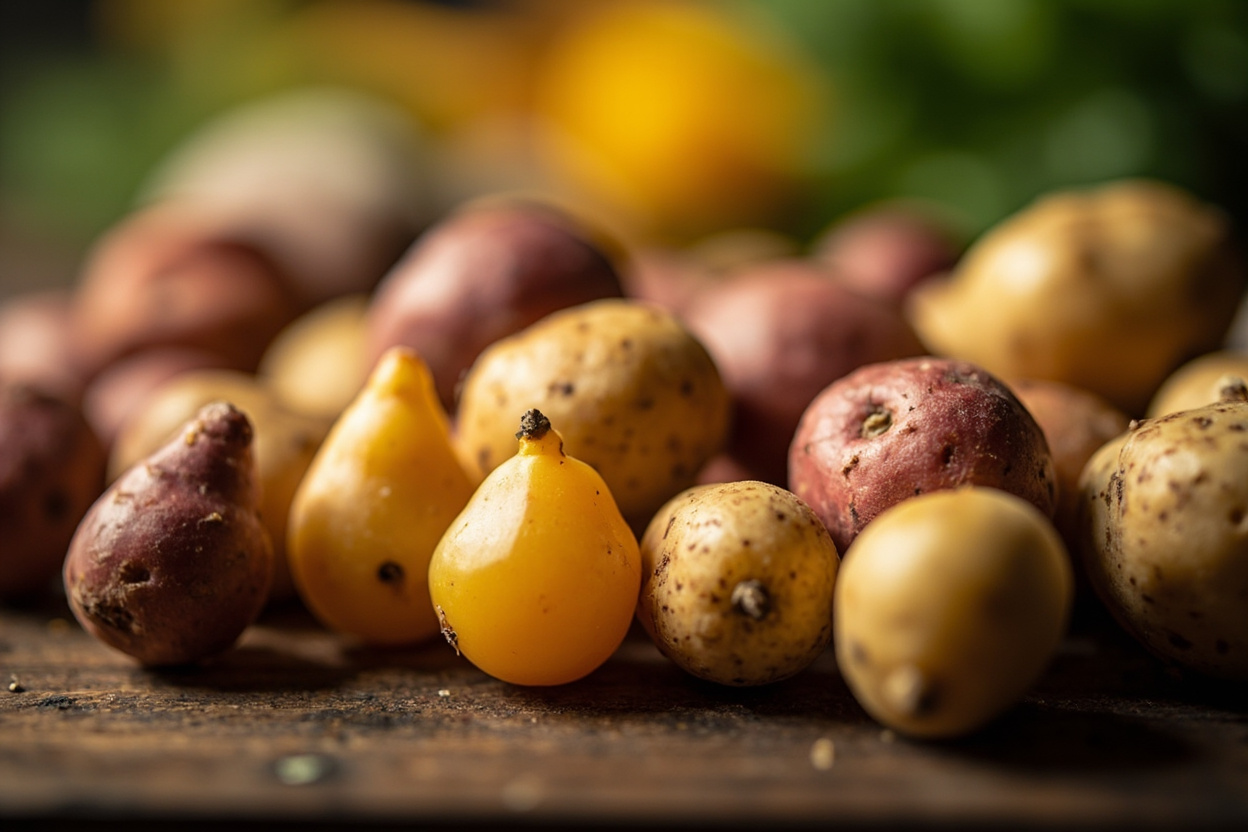
Many gardeners assume heirloom potatoes are grown the same as modern ones; while basic culture is similar, common mistakes can undermine success.
A frequent error is using uncertified tubers that carry viruses or late blight inoculum.
Another is planting too shallow or too close, which reduces yield and increases disease.
- Avoid planting infected or untested tubers. Use certified seed when possible.
- Do not over-fertilize with nitrogen late in season; this encourages lush foliage that favors late blight and delays tuber maturation.
- Monitor irrigation-both drought stress and waterlogging cause problems; consistent moisture during bulking improves size and reduces hollow heart.
Troubleshooting quick guide:
| Problem | Likely cause | Action |
|---|---|---|
| Scabby tubers | High pH, dry soil during tuber formation | Lower pH slightly, keep soil moist, avoid fresh manure |
| Small, misshapen tubers | Poor fertility, too high plant density | Improve fertility pre-plant, increase spacing |
| Premature vine collapse | Late blight or virus | Remove infected plants, test seed source |
Resources for Sourcing True Heirloom Seed Potatoes and Preserving Varieties
Sourcing true heirloom seed potatoes requires working with reputable suppliers and conservation organizations.
Seed Savers Exchange and several regional heirloom seed houses maintain collections of heritage potato varieties.
Certified seed programs at agricultural extension or accredited seed labs help ensure low virus levels and pathogen-free starting material.
Local growers’ trials and regional catalogs provide performance information under local conditions.
Conclusion
Heirloom potato varieties offer a balance of culinary quality, historical interest, and agricultural biodiversity.
They differ from modern cultivars in genetic variability, uniqueness of flavor, and often in lower built-in disease resistance, which calls for attentive cultural practices.
For gardeners and chefs, the rewards are distinct tuber textures, colors, and flavors not commonly available in supermarket varieties.
Frequently Asked Questions
Nutritional differences depend on variety; colored-flesh heirlooms (blue, purple, red) often contain higher levels of anthocyanins and polyphenols, which can increase antioxidant content. Overall macronutrient levels (carbohydrate, protein) are similar across most potato varieties.
Yes, but do so carefully. Select healthy, disease-free tubers from vigorous plants, avoid using tubers with blemishes or rot, store them separately in cool, humid conditions, and label varieties. Regularly source certified seed to prevent gradual virus accumulation.
Reduce risk by improving airflow (wide spacing and staking where feasible), avoiding excessive nitrogen late in the season, hilling, removing infected plants promptly, using resistant varieties when available, and applying appropriate fungicides or copper sprays under organic rules when advised by local extension.
Reputable sources include Seed Savers Exchange, regional heirloom seed houses, and certified seed growers. Check for clear provenance and certification where possible, and consult local extension services for regionally adapted varieties and suppliers.
Maincrop, floury types, and some russets tend to store better than early or waxy varieties. Storage performance is variety-specific. King Edward and some russet types historically store well, but proper curing and cool, humid, dark storage are essential to retain quality.
Many heirloom varieties lack the specific resistances bred into modern cultivars, so they can be more susceptible to late blight, viruses, and other diseases. Good cultural practices, crop rotation, certified seed, and targeted organic or conventional controls reduce risk and support successful production.
