
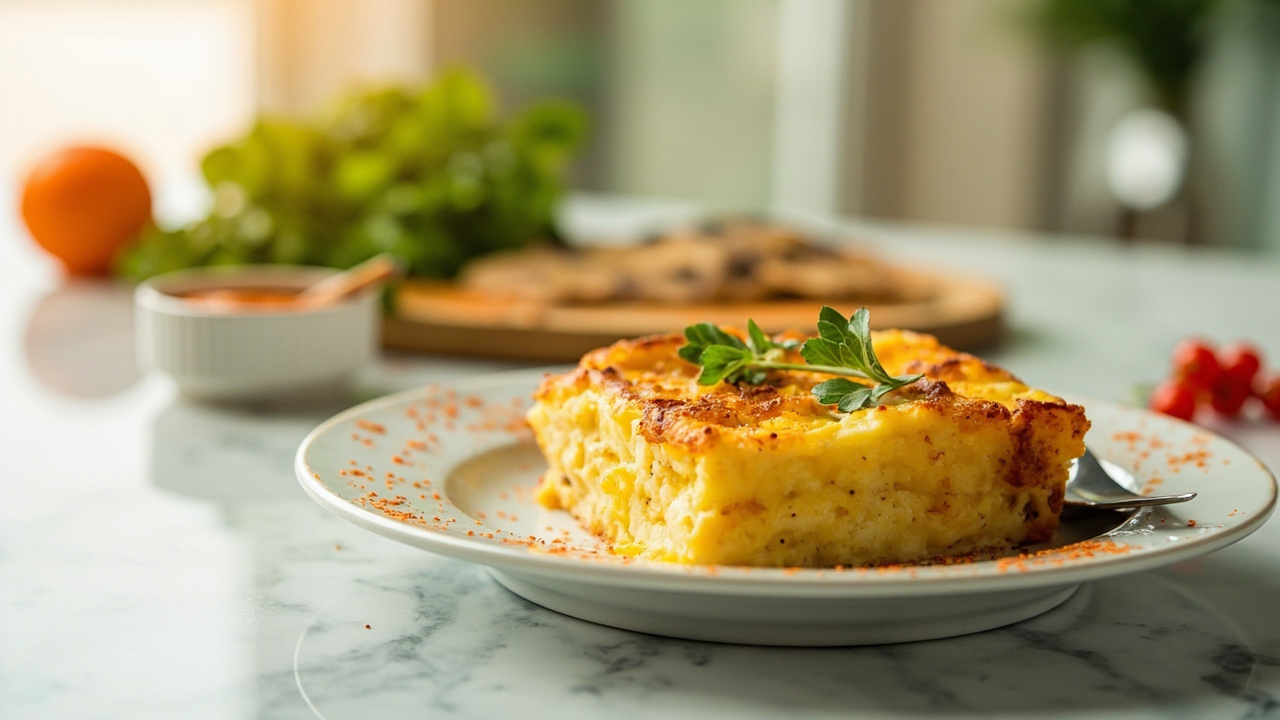
Golden, browned potato edges, custardy eggs threaded with melted cheese, and a whisper of herbs that is the lure of my egg potato breakfast casserole.
It’s a texture play of crisp vs. creamy, with savory depth that wakes the palate and feels like a breakfast hug.
Make it for weekend brunch, holiday mornings, or as a make-ahead breakfast that actually tastes like you spent time on it.

Egg Potato Breakfast Casserole
Equipment
- 9×13 inch baking dish – for even baking and crisp edges
- Large mixing bowl – to whisk custard thoroughly
- Nonstick skillet – for pre-browning potatoes and aromatics
Ingredients
- 900 g 2 lb Russet potatoes, peeled and diced
- 8 large eggs about 440 g
- 240 ml 1 cup whole milk
- 120 ml 1/2 cup heavy cream
- 200 g 2 cups shredded cheddar cheese
- 100 g 1 cup cooked bacon or ham, diced
- 1 medium onion 150 g, finely chopped
- 2 cloves garlic minced (6 g)
- 15 g 1 tbsp fresh chives, chopped
- 6 g 1 tsp kosher salt and 2 g (1/2 tsp) black pepper
- 30 ml 2 tbsp olive oil
Instructions
- Preheat oven to 190°C (375°F). Lightly oil the 9×13 inch dish and set aside. You want a hot oven to encourage a crisp potato exterior.
- In a large skillet over medium-high heat, add olive oil. When it shimmers, add diced potatoes and a pinch of salt. Cook 10-12 minutes, stirring occasionally, until edges turn golden and slightly blistered. The aroma will be toasty and nutty.
- Add chopped onion to the skillet and cook 4 minutes until translucent and glossy. Stir in garlic for 30 seconds until fragrant – don’t let it brown aggressively.
- Transfer the potato mixture to the prepared baking dish, spreading into an even layer so each bite gets crisp edges and soft centers.
- In a bowl, whisk eggs, milk, cream, salt, and pepper until homogeneous and slightly frothy. The froth traps air for a lighter custard texture.
- Sprinkle half of the cheddar and all of the cooked bacon or ham evenly over the potatoes. Pour the egg mixture slowly so it settles between potato pieces without washing them away.
- Top with remaining cheddar and scatter chives. Cover loosely with foil and bake for 25 minutes, then remove foil and bake an additional 15-20 minutes until the custard is set and the top is golden brown with bubbling cheese.
- Let rest 10 minutes before slicing. The aroma will be savory and herbaceous, and the texture should be creamy inside with crisp, golden edges.
Notes
- Make ahead: Assemble the casserole, cover, and refrigerate overnight. Bake straight from the fridge, adding 10-15 minutes to baking time.
- Potato tip: For extra crispiness, parboil potatoes 5 minutes, drain and rough up edges before pan-frying.
- Dairy swap: Use half-and-half for a lighter version or a plant-based milk for dairy-free needs; texture will be slightly less rich.
Unlock the Flavor of This Egg Potato Breakfast Casserole
- Texture contrast: Crisped potato edges come from pan-searing before baking, while the egg mixture coagulates into a silky custard. That contrast keeps each bite interesting.
- Fat and protein balance: The combination of whole milk, cream, and eggs creates a stable emulsion so the custard sets without becoming rubbery, while cheese and cured meats add savory umami.
- Maillard magic: Browning potatoes and sautéed onions triggers Maillard reactions for deep, roasted aromas that lift the whole dish.
- Layering strategy: Placing cheese and meat between potatoes and egg allows for melted pockets and distributed flavor, avoiding a soggy bottom and ensuring even heat penetration.
The Flavorful Cast of Egg‑Potato Players
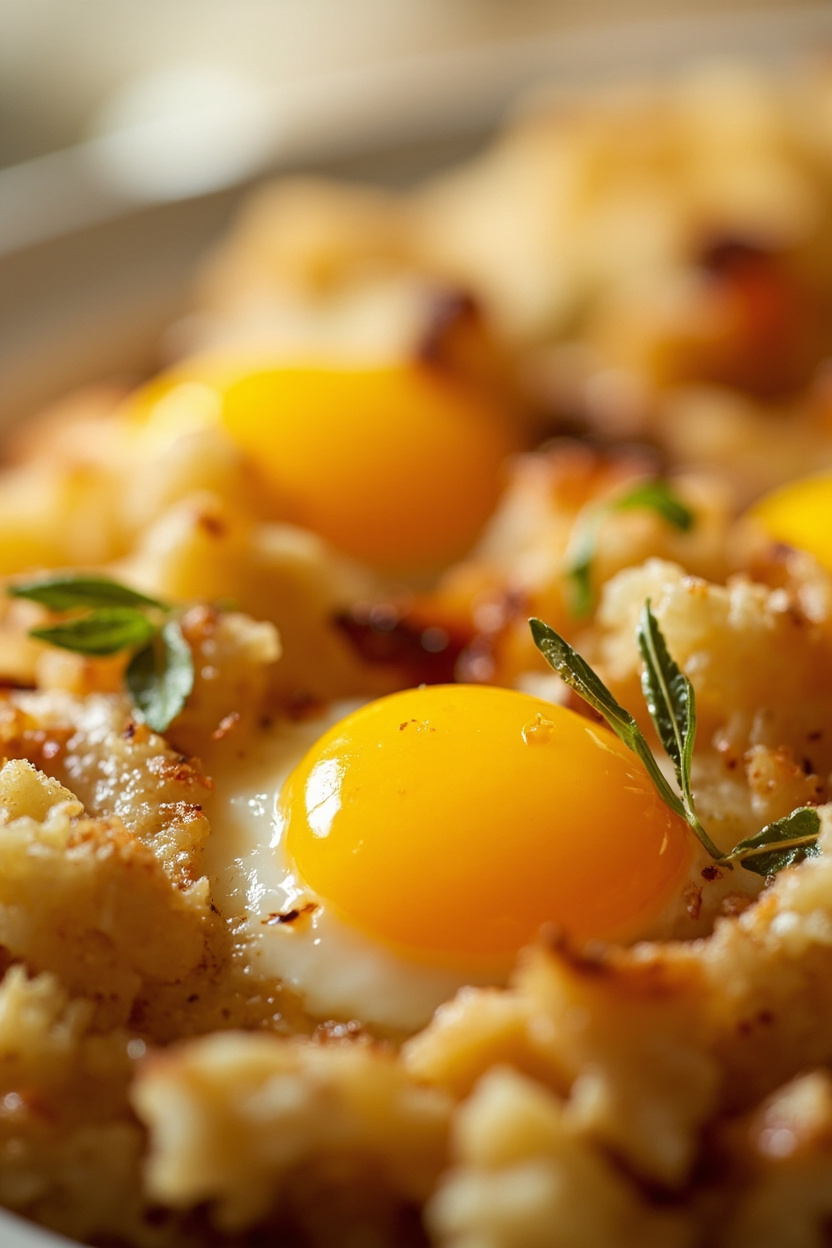
- 900 g (2 lb) Russet potatoes: high starch promotes crispiness and tender interiors.
- 8 large eggs (about 440 g): proteins coagulate to form the custard matrix.
- 240 ml (1 cup) whole milk: lactose and fat add creaminess and help heat transfer.
- 120 ml (1/2 cup) heavy cream: extra fat increases richness and smooth mouthfeel.
- 200 g (2 cups) shredded sharp cheddar: aged proteins and fats intensify savory flavor and melt uniformly.
- 100 g (1 cup) cooked bacon or ham, diced: cured meat provides salt, Maillard flavors, and umami.
- 150 g (1 medium) onion, chopped: sulfur compounds caramelize to add sweetness and depth.
- 6 g (2 cloves) garlic, minced: volatile aromatics enhance savory profile.
- 15 g (1 tbsp) fresh chives, chopped: fresh allium oils brighten the richness.
- 6 g (1 tsp) kosher salt and 2 g (1/2 tsp) black pepper: seasoning controls taste perception and protein interactions.
- 30 ml (2 tbsp) olive oil: monounsaturated fats aid in browning and flavor release.
Kitchen Tools You’ll Need
- 9×13-inch baking dish.
- Large mixing bowl.
- Nonstick skillet or cast-iron skillet.
- Whisk and spatula.
Layered Alchemy: How to Build and Bake Your Casserole
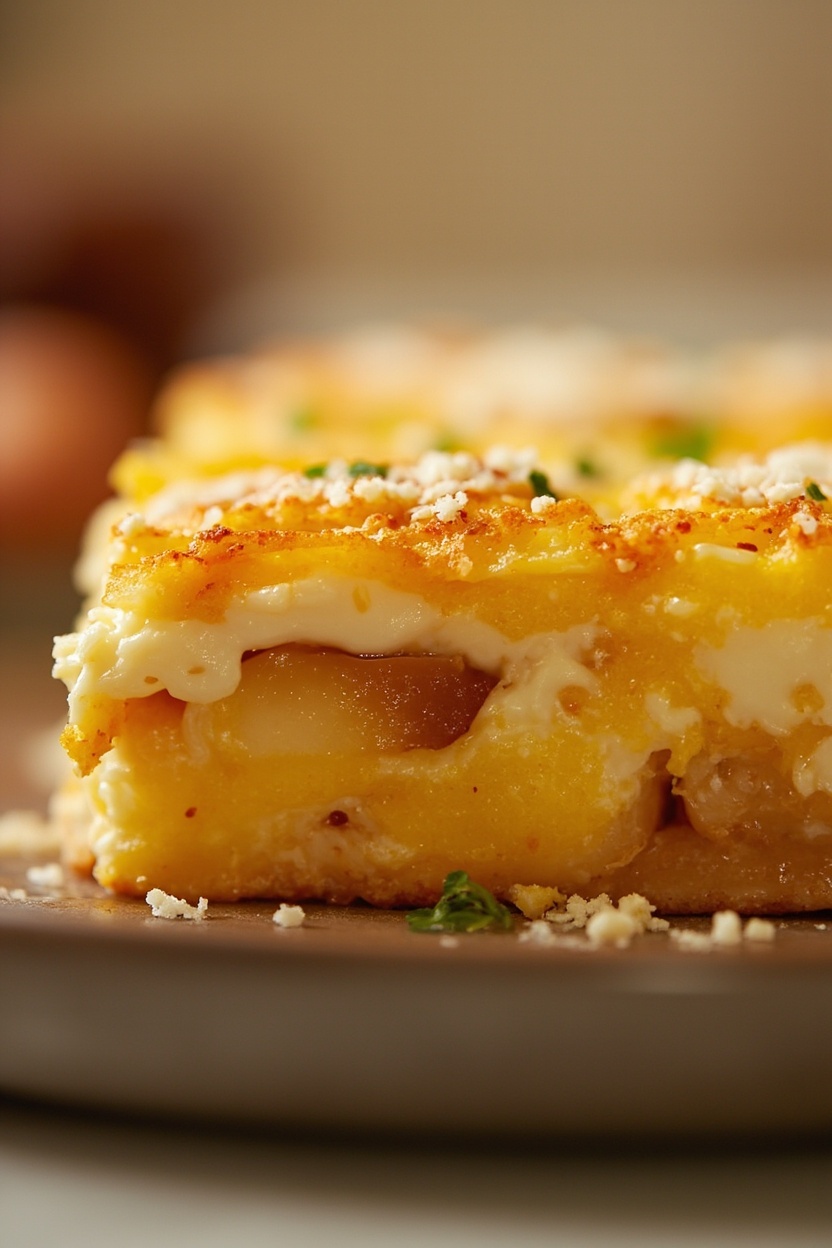
- Preheat to 190°C (375°F). Lightly oil the 9×13-inch dish so the potatoes release easily and the edges crisp. A hot oven sets the custard efficiently.
- Heat the skillet with olive oil until shimmering. Add diced potatoes and a pinch of salt. Sauté until surfaces blister and turn golden, about 10-12 minutes. You’ll smell nutty roasted potato notes.
- Add chopped onion and cook 3-4 minutes until translucent and glossy. Stir in garlic for 30 seconds; the scent will become savory and immediate, but avoid browning the garlic harshly.
- Spread the potato-onion mixture in an even layer in the baking dish, leaving little gaps so the egg can seep between pieces. Texture-wise, this creates pockets of crisp and tender.
- In a bowl, whisk eggs with milk, cream, salt, and pepper until homogeneous and slightly frothy. The froth helps the custard feel lighter after baking.
- Scatter half the cheddar and the diced bacon or ham over the potatoes. Pour the egg mixture slowly so it fills cavities but doesn’t wash away the potato layer.
- Top with remaining cheddar and chopped chives. Cover loosely with foil to prevent the top from over-browning and to let heat distribute gently through the center.
- Bake covered for 25 minutes, then remove the foil and bake another 15-20 minutes until the custard is just set and the top is golden and bubbling. The center should jiggle slightly when done.
- Let it rest 10 minutes before cutting. Resting allows juices to reabsorb and the custard to firm, giving clean slices with a creamy interior and crisp edges.
Crisp & Cream Secrets: Pro Tweaks for Perfect Texture
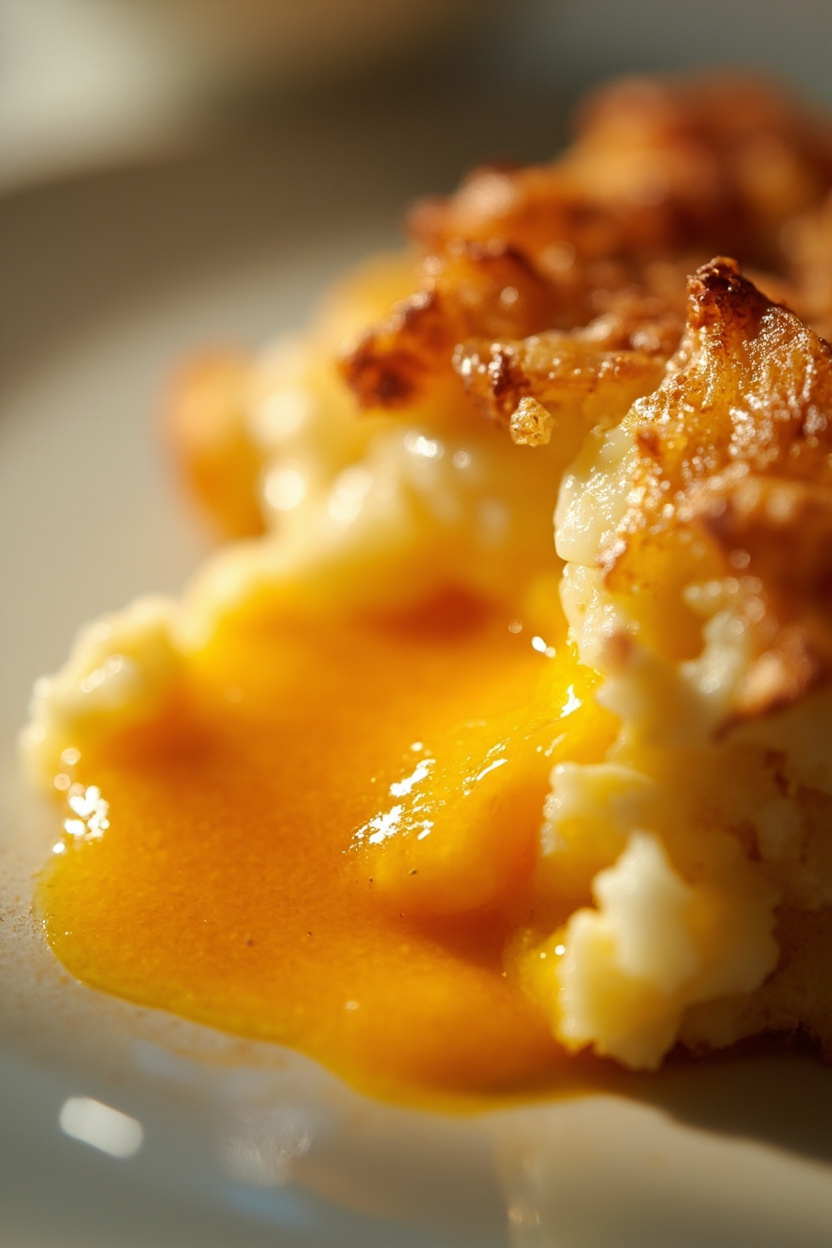
Pre-cook the potatoes
Parboiling potatoes 4-5 minutes before pan-frying shortens skillet time and yields a tender interior without overcooking. Roughing up the surface after draining exposes more starch for browning when you sauté.
Temper the eggs
If your egg mixture is chilled from the fridge, let it sit 10 minutes before pouring. Cold eggs can slow oven recovery and make the custard take longer to set, which risks overbrowning the top.
Control moisture
Dry potatoes and well-drained add-ins keep the casserole from becoming soggy. If using leftover roasted potatoes, pat them before assembling. Excess liquid will prevent the custard from setting properly.
Cheese placement matters
Layering cheese both under and over the custard creates molten pockets and a crisp, caramelized top. Use one sharp cheese for flavor and one mild melting cheese for creaminess if you like complexity.
How to store egg potato breakfast casserole?
- Room temperature: Do not leave out for more than 2 hours for safety.
- Fridge: Cool completely, cover tightly, and refrigerate up to 4 days. Reheat in a 175°C (350°F) oven until warmed through.
- Freezing: Portion into airtight containers and freeze up to 3 months. Thaw overnight in the fridge before reheating.
Variations and Substitutions
- Swap bacon for spicy chorizo for a smoky kick and deeper red hues.
- Use sweet potatoes for a sweeter, vitamin-rich spin; adjust parboil time.
- Make it vegetarian by replacing meat with roasted mushrooms and spinach.
- For dairy-free, use full-fat coconut milk and a dairy-free cheese; the texture will be slightly different.
Nutrition Information
This egg potato breakfast casserole is high in protein and provides complex carbohydrates and vitamin C from potatoes.
Expect about 320 kcal per serving with moderate fat from cream and cheese. Not gluten-free unless all add-ins are certified gluten-free; can be made dairy-free with substitutions.
Frequently Asked Questions
Yes, assemble, cover, and refrigerate overnight. Bake from cold, adding 10-15 minutes to cooking time for even heat.
It balances protein and carbs; you can reduce cream or cheese and add extra veggies to lighten calories while keeping protein high.
Reheat in a 175°C (350°F) oven covered with foil for 10-20 minutes until warmed through, or microwave individual portions with a damp paper towel to retain moisture.
Yes, portion and freeze up to 3 months. Thaw in the fridge overnight and reheat in the oven for the best texture.
