
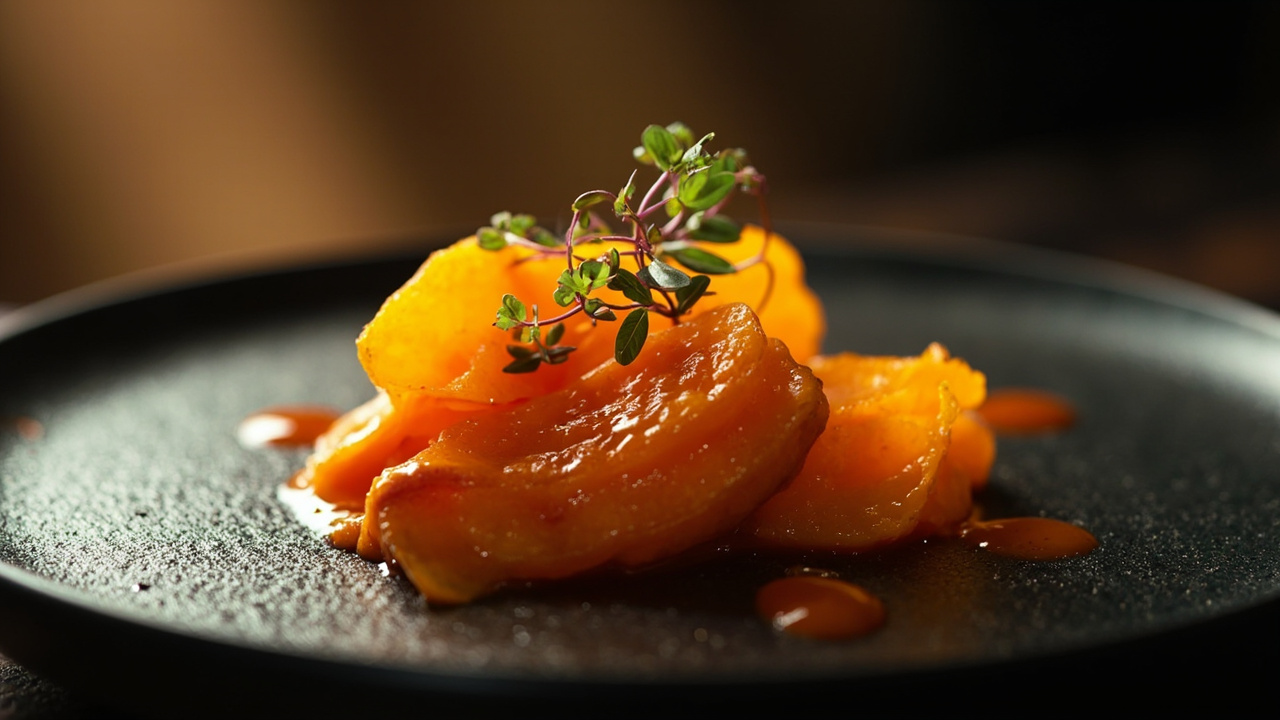
There’s a simple magic in a perfectly roasted Japanese sweet potato – the skin blisters to a deep mahogany while the inside becomes tender, cottony, and lightly honeyed.
The texture is uniquely drier than many sweet potatoes yet creamier on the palate, with a gentle sweetness that sings alongside butter, miso, or a sprinkle of flaky salt.
If you crave food that feels like comfort and ceremony at once, this is a must-make; it’s an ingredient that rewards patience and a good oven.

Japanese Sweet Potato
Equipment
- Rimmed baking sheet – for even roasting and airflow
- Paring knife – to trim and test doneness
- Silicone spatula or tongs – to handle hot tubers safely
Ingredients
- 900 g 2 lb japanese sweet potatoes, scrubbed
- 30 ml 2 tbsp neutral oil
- 5 g 1 tsp flaky sea salt
- 15 g 1 tbsp miso paste, optional
- 10 ml 2 tsp honey or maple syrup, optional
Instructions
- Preheat oven to 220 C (425 F). Line a rimmed baking sheet with parchment for easy cleanup.
- Toss with oil and salt, roast 35-45 minutes until tender and caramelized. Glaze with miso mixture if using.
- Preheat oven to 220 C (425 F). Line a rimmed baking sheet with parchment for easy cleanup.
- Trim any blemishes from the japanese sweet potatoes and dry them thoroughly. Prick each a few times with a fork to release steam.
- Toss the tubers with neutral oil and sea salt so the skin crisps and caramelizes during roasting.
- Arrange on the baking sheet spaced apart. Roast 35-45 minutes, turning once, until skins are deeply colored and a skewer slides in like butter.
- If using miso glaze, whisk miso with honey and a splash of water. Brush over halved potatoes in the last 5 minutes and return to the oven until glossy.
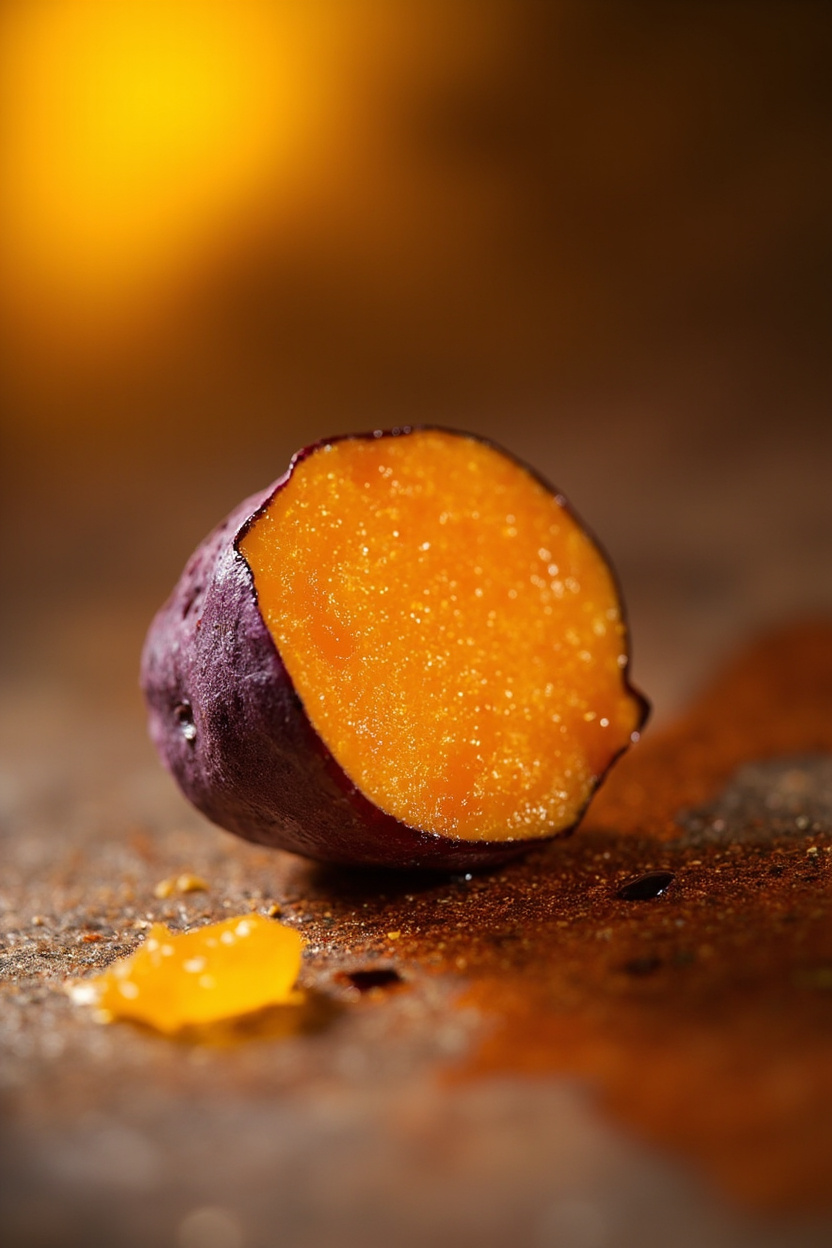
- Rest 5 minutes, then split open to reveal golden, velvety flesh. Serve with flaky salt, toasted sesame, or a smear of butter.
Notes
- Selection: Choose firm satsumaimo with unbroken skin for best roasting.
- Doneness check: A skewer should meet little resistance and the flesh should be fragrant and sweet.
- Serving idea: Leftovers mash beautifully with a touch of soy and butter for a Japanese yam recipe twist.
Why This Japanese Sweet Potato Recipe Works?
The high oven heat quickly crisps the thin skin while concentrating sugars inside, producing that signature honeyed aroma and slightly drier, velvety texture found in satsumaimo.
Light oil and salt coax caramelization at the surface, creating a contrast between crisp skin and creamy interior that feels luxurious in every bite.
A brief miso-honey glaze adds umami and a glossy finish without masking the tuber’s delicate sweetness, balancing savory and sweet notes.
Resting after roasting lets residual heat relax the starches, giving you a texture that’s pillowy rather than gluey – exactly what you want in a roasted Japanese sweet potato.
The Flavor Cast for Your Japanese Sweet Potato
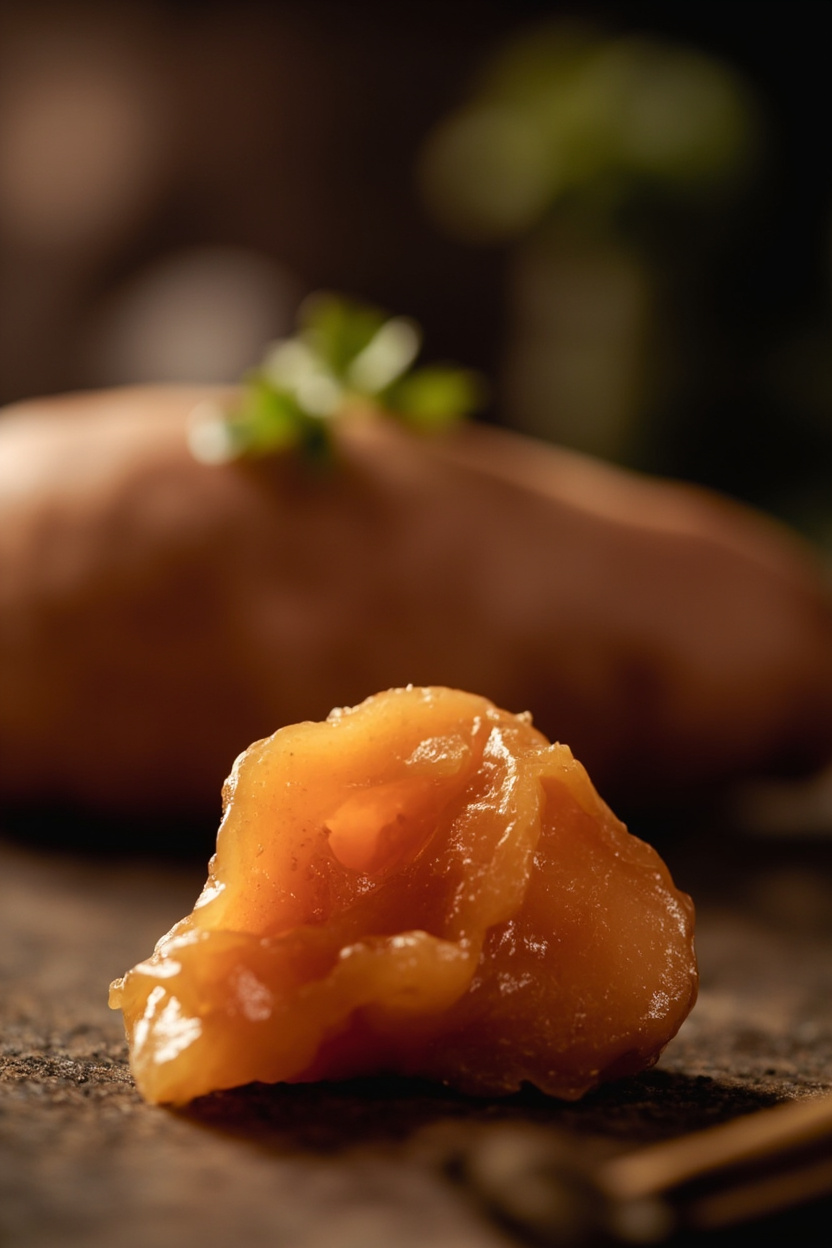
- 900 g (2 lb) Japanese sweet potatoes: rich in complex carbohydrates and beta-carotene, the tuber provides stable sweetness and firm structure when roasted.
- 30 ml (2 tbsp) neutral oil (e.g., grapeseed): promotes Maillard reactions and skin crisping through fat-mediated heat transfer.
- 5 g (1 tsp) flaky sea salt: enhances sweetness by suppressing bitterness and improving flavor perception on the tongue.
- 15 g (1 tbsp) white miso paste, optional: adds glutamates that amplify savory depth, creating a multi-layered profile.
- 10 ml (2 tsp) honey or maple syrup, optional: simple sugars help surface caramelization and form a shiny glaze.
Kitchen Tools You’ll Need
- Rimmed baking sheet.
- Parchment paper.
- Paring knife.
- Tongs or silicone spatula.
Turning Sweet Potato into Velvet Gold
- Preheat and prepare. Set your oven to 220 C (425°F). Line a rimmed baking sheet with parchment; the paper catches drips and prevents scorching.
- Clean and test. Scrub each Japanese sweet potato under cold water, removing grit. Dry thoroughly so oil will adhere, and skins will blister rather than steam.
- Seasoning ritual. Lightly coat the tubers in 30 ml (2 tbsp) neutral oil and sprinkle 5 g (1 tsp) flaky sea salt. You should hear a faint sizzle when oil meets a hot pan later – that’s the beginning of caramelization.
- Arrange and roast. Place potatoes spaced apart on the sheet. Roast for 35-45 minutes, turning halfway. You’ll notice the skins deepen to mahogany, and a warm, toasty aroma will fill the kitchen.
- Glaze for depth. If you choose the miso-honey option, whisk 15 g (1 tbsp) miso with 10 ml (2 tsp) honey and a splash of water. Brush onto cut halves in the last 5 minutes and return to the oven until glossy and aromatic.
- Doneness cues. A skewer should glide through velvet flesh with minimal resistance. The flesh should give easily and smell faintly sweet, not starchy.
- Rest and finish. Let the potatoes rest 5 minutes so the inside firms slightly. When you split one open, steam will rise, and the flesh will appear a soft golden hue – scoop, top with a pinch of sea salt, and serve.
Insider Heat: Crisp, Caramelize, and Elevate Every Bite
Choose the right tuber
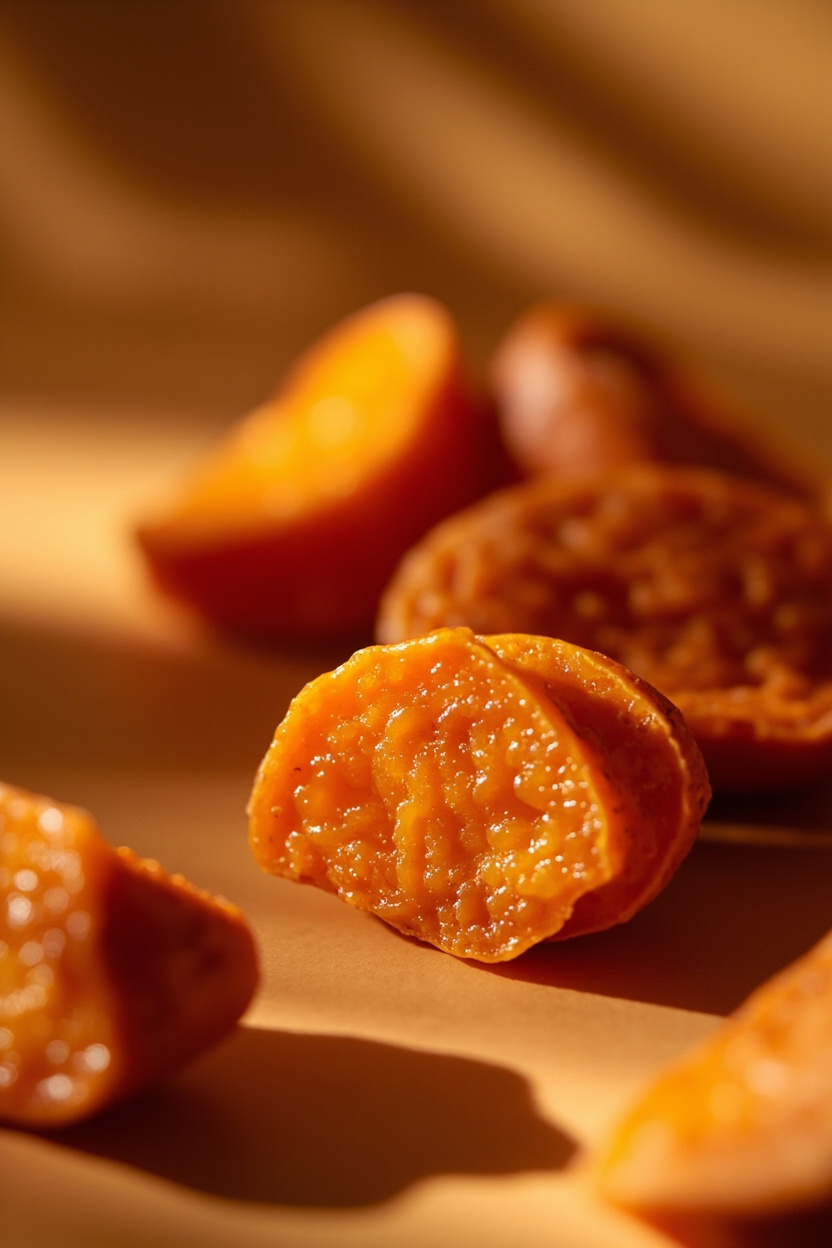
Pick satsumaimo with tight, unbroken skin and even thickness. Smaller to medium-sized cook more evenly and develop concentrated sweetness without drying out.
Don’t skip drying
Water on the skin prevents proper browning. Pat each potato completely dry before oiling to ensure the skin crisps rather than steams.
Turn once mid-roast
Rotate for even caramelization. You’ll see areas of deep mahogany where sugars have blistered – that’s your cue to flip and let the other side catch up.
Use the glaze sparingly
A little miso-honey goes a long way. Brush in the final minutes to avoid burning sugars and to keep the glaze glossy and nuanced.
How to Store Japanese sweet potato
- Room temperature: Store whole, uncut satsumaimo in a cool, dark place for up to 2 weeks.
- Fridge: Cooked pieces keep in an airtight container for 3-4 days.
- Freezer: Mash or roast slices that freeze well up to 3 months; thaw overnight in the fridge before reheating.
Variations and Substitutions
- Sesame Soy Glaze: Replace miso-honey with 1 tbsp soy sauce, 1 tsp toasted sesame oil, and 1 tsp maple syrup for an umami-forward finish.
- Purple sweet potato twist: Use purple-skinned varieties for dramatic color; roast the same way, watching closely as sugars differ slightly.
- Savory mash: Scoop roasted flesh and fold in butter, soy, and chopped scallions for a Japanese yam recipe-style mash.
- Smoky roast: Sprinkle smoked paprika and a touch of chili for a smoky, warming variation.
Nutrition Information
A serving is rich in vitamins A and C, provides complex carbohydrates and fiber, and contains minimal fat unless added.
This recipe is naturally gluten-free and dairy-free if you skip butter; not keto-friendly due to natural sugars.
Frequently Asked Questions
At 220 °C (425°F), expect 35-45 minutes depending on size; smaller tubers finish faster, so check with a skewer.
Yes, purple sweet potato works well; it may have slightly different moisture and sugar levels, so watch the roast time and doneness cues.
Definitely. Roasted satsumaimo stores nicely in the fridge for 3-4 days and reheats well, making it a nutritious meal prep staple.
Satsumaimo is the Japanese name for this tuber; it typically has a reddish-purple skin and pale, cream-colored flesh that becomes drier and creamier when cooked compared to other varieties.
