
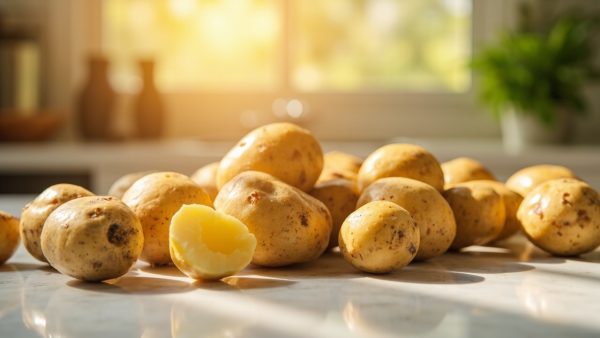
Potato Shelf Life is a deceptively simple phrase with big implications for home cooks, restaurants, and food retailers.
Knowing accurate storage timelines can reduce waste, save money, and ensure every dish starts with high-quality ingredients.
Raw potatoes typically last 1–2 weeks at room temperature, 2–3 months in cool, dark storage, and up to a year when properly frozen.
Cooked potatoes keep for 3–4 days in the fridge or 10–12 months frozen, making freezing an essential tool for long-term planning.
This article addresses the search intent immediately: learn the science behind Potato Shelf Life, practical storage techniques, the differences between varieties, and how to salvage marginal tubers.
What Is Potato Shelf Life: Definitions, Variables, and What “Fresh” Really Means?
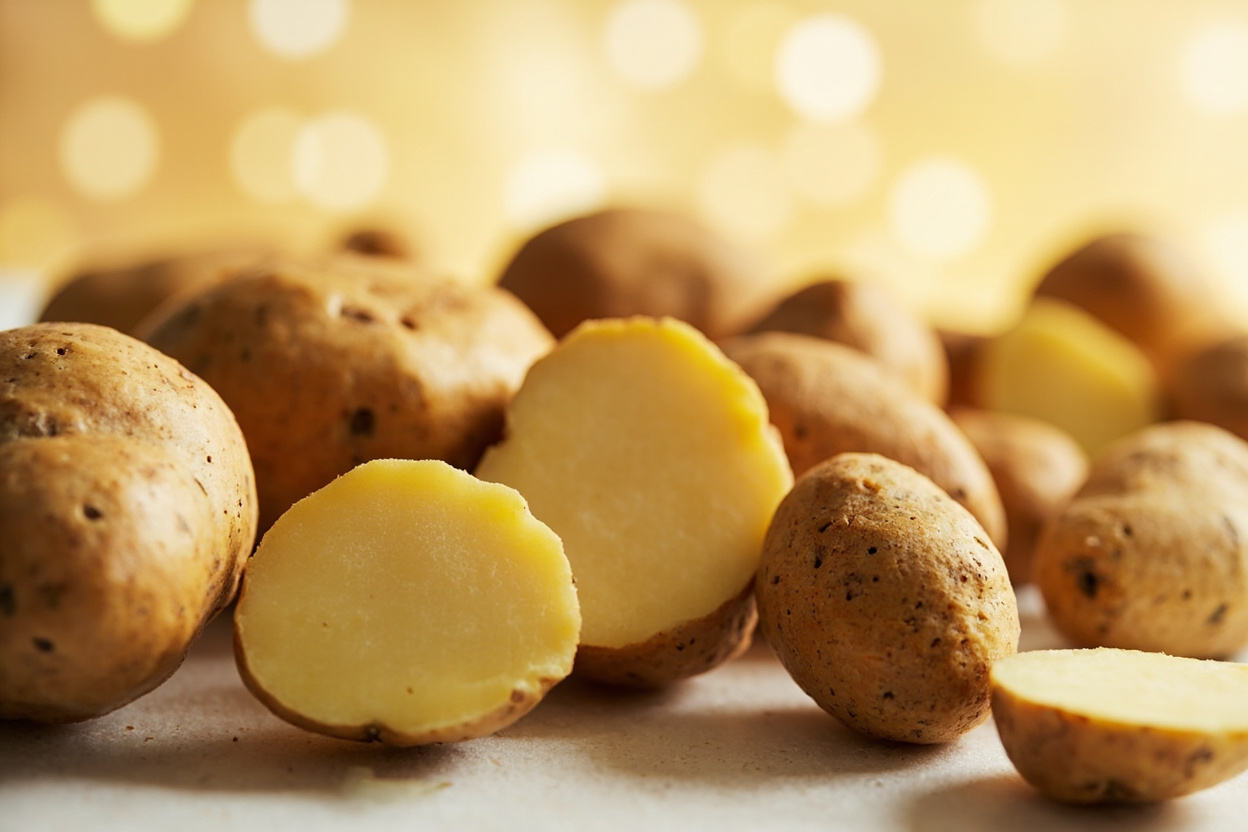
Potato Shelf Life refers to the period during which a potato remains safe to eat and maintains acceptable quality in terms of texture, flavor, and nutritional value.
“Fresh” can mean different things depending on context: for cooking quality, fresh potatoes have firm flesh, dry skin, and minimal sprouts; for safety, they must be free from rot and harmful toxins.
Variables that determine shelf life include variety, harvest condition, storage temperature, humidity, light exposure, and handling.
A potato stored at 50°F (10°C) in a dark, humid environment will age much more slowly than one left in sunlight on a kitchen counter.
Mechanical damage, like cuts or bruises, shortens shelf life by creating entry points for microbes.
Commercial vs. home storage also differs: commercial cold-storage facilities control gas composition and humidity to extend life by months, while home pantries usually provide only moderate extension.
Understanding these variables helps you predict how long a specific batch will remain usable and when to cook, preserve, or discard.
How Long Do Different Types of Potatoes Last?
Potato Shelf Life: varies significantly by variety because of differences in skin thickness, moisture content, and sugar levels.
Russets have thick skins and low moisture, making them among the longest-lasting varieties in cool storage. Waxy varieties like reds and fingerlings have higher moisture and typically shorter storage lives.
New potatoes (young, thin-skinned) are meant for immediate use and last only a short time at room temperature.
Sweet potatoes are botanically distinct and prefer slightly warmer storage; they resist chilling injury but can spoil if stored too cold.
Below is a practical comparison table for typical storage longevity by variety under cool, dark conditions.
| Variety | Typical Best Storage Temp | Expected Shelf Life (Cool, Dark) | Notes |
|---|---|---|---|
| Russet | 45–50°F (7–10°C) | 3–5 months | Thick skin, low moisture – excellent for long storage |
| Yukon Gold | 45–50°F (7–10°C) | 2–3 months | All-purpose; moderate storage life |
| Red | 45–50°F (7–10°C) | 1.5–3 months | Waxy; best used sooner for texture |
| New | 50–55°F (10–13°C) | Few days to 2 weeks | Thin skin; short shelf life |
| Sweet | 55–60°F (13–16°C) | 1–3 months | Prefer warmer storage to avoid chill damage |
| Fingerling | 45–50°F (7–10°C) | 1–3 months | Small size means more handling and faster spoilage |
Storage life ranges vary with harvest timing and pre-storage curing. Well-cured tubers form a skin barrier that improves resistance to moisture loss and infection, lengthening usable life.
How Storage Conditions Affect Potato Shelf Life?
Temperature is the dominant factor for Potato Shelf Life.
Lower temperatures slow respiration and microbial growth, but temperatures that are too low (below 40°F / 4°C) can cause chilling injury and lead to increased sugars and off-flavors.
The optimal cool range for many potatoes is 45–50°F (7–10°C).
Humidity controls weight loss via evaporation. Potatoes store best at high relative humidity (around 90–95%) to minimize shriveling.
However, excessively high localized moisture without airflow encourages rot and mold. Balance is required: high RH with good ventilation.
Light triggers chlorophyll and solanine production; exposure leads to greening and increased toxicity. Keep potatoes in a dark storage to avoid a bitter taste and potential health risk.
Airflow prevents heat and moisture pockets that encourage decay and reduces the accumulation of gases that speed aging.
How to Store Potatoes for Maximum Shelf Life?
Potato Shelf Life can be maximized by matching storage method to the potato type and your usage plan. For short-term use, room temperature storage in a dark place is fine.
For multi-month storage, cooler, high-humidity environments are better. Avoid direct sunlight and airtight plastics for raw potatoes.
Pantry storage works for immediate use: keep potatoes in a cool (60–70°F), dark, and ventilated spot, preferably in a paper bag, basket, or mesh bag.
For longer preservation, use a root cellar or cool basement at 45–50°F and 90% RH. Refrigerators are generally too cold for raw potatoes and convert starches to sugars, resulting in sweet, discolored cooked potatoes.
Freezing raw potatoes as-is ruins texture; instead, par-cook or fully cook (see blanching section) before freezing.
Labeling and rotation are critical: use a first-in, first-out (FIFO) system to avoid long-forgotten sacks of potatoes.
Below are practical storage recommendations by location:
- Root cellar / cool cellar: best for long-term storage; store in bins at 45–50°F.
- Pantry/cupboard: suitable for short-term; keep dark and ventilated at 60–70°F.
- Refrigerator: avoid unless you plan to cook and use within days; cold causes sweetening.
- Freezer: freeze par-cooked potatoes for long-term storage up to 12 months.
How to Prepare and Freeze Potatoes Correctly?
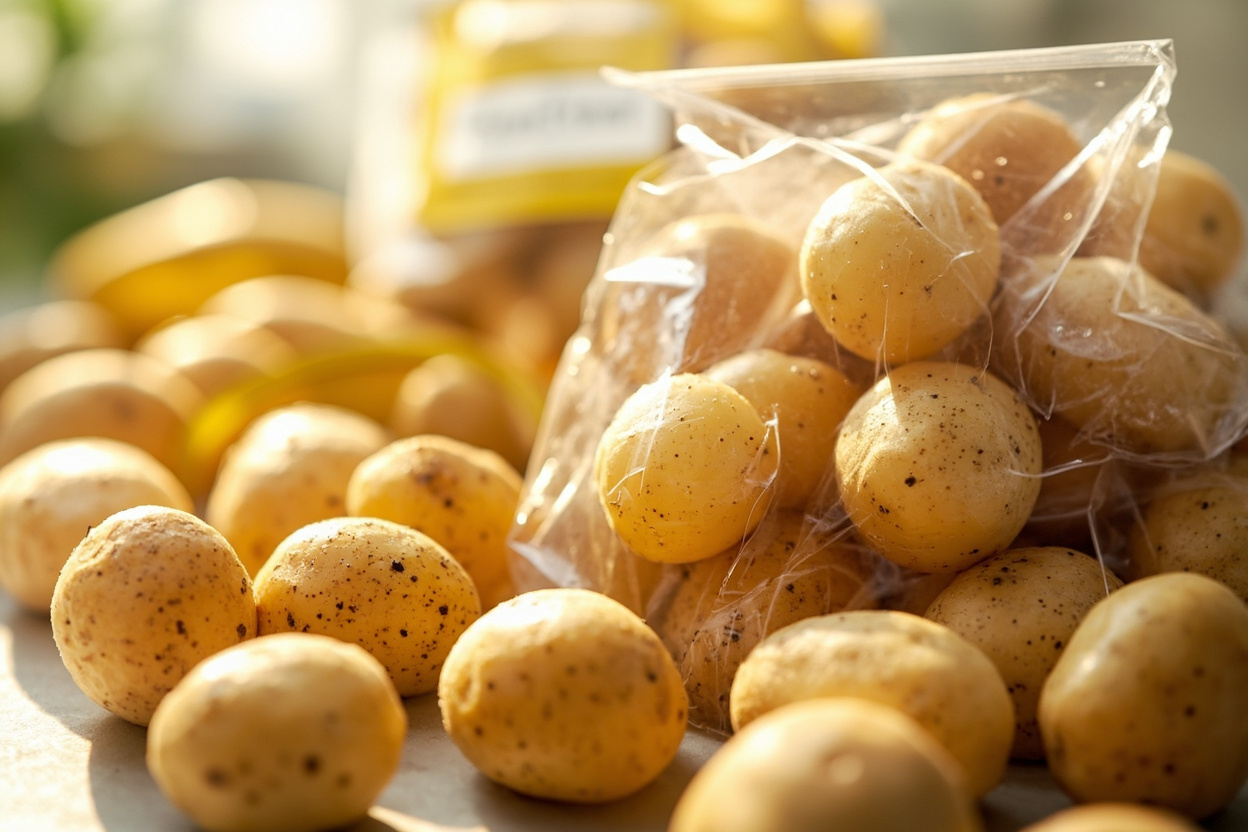
Proper preparation is essential because raw potatoes develop unacceptable texture when frozen.
Blanching inactivates enzymes that cause flavor and color degradation and prepares the tuber for freezing. For small dice or slices, blanch 2–3 minutes; for cubes or whole small potatoes, blanch 5–10 minutes.
Step-by-step freezing method: wash and peel if desired, cut to size, blanch in boiling water for the appropriate time, cool quickly in an ice bath, drain thoroughly, and dry.
Flash-freeze on a tray before transferring to airtight freezer bags or vacuum-sealed packs to prevent clumping and freezer burn. Label with date and variety, and use within 10–12 months for best quality.
Thawing and use: frozen cooked potatoes are best used directly from frozen into hot pans, soups, or casseroles.
Avoid refreezing previously thawed potatoes for texture and safety reasons. Proper packaging-removing air-dramatically improves freezer life and quality retention.
Signs a Potato Has Gone Bad vs. When It’s Still Safe to Use
Detecting spoilage relies on visual, tactile, and olfactory cues. Signs a potato is bad include soft spots, foul odor, significant shriveling, black rot, or slimy texture.
Green patches indicate solanine buildup, a bitter and potentially harmful alkaloid. Small surface greening can be salvaged by cutting away the affected area; extensive greening warrants disposal.
Sprouts are a sign of stored energy being reallocated; small sprouts can be removed and the potato used if the flesh remains firm and free of rot.
If potatoes are wrinkled but not moldy, they are safe but may lack texture and are best used mashed or in soups. Rotten or moldy sections that penetrate deeply require full disposal.
When in doubt, rely on smell and touch: off-odors or mushy structure are reliable indicators of spoilage.
Cut away blemishes generously; if the majority of the tuber remains firm, it can often be used after removing affected tissue.
Common Mistakes That Shorten Potato Shelf Life and How to Avoid Them
Common errors include storing potatoes in direct light, in airtight plastic bags, in too-cold refrigeration, or next to ethylene-producing fruits like apples. Each mistake accelerates aging, greening, or spoilage. Simple corrections restore weeks or months of usable life.
- Storing in plastic bags: traps moisture and encourages rot; use breathable containers instead.
- Refrigerating raw potatoes leads to sugar formation and darkened frying results; avoid unless cooking soon.
- Exposing to light: causes greening and bitter solanine formation; keep storage dark.
- Poor rotation: forgetting older potatoes leads to waste; label and rotate FIFO.
Avoiding these mistakes is inexpensive and high-impact: proper container choice, temperature control, and storage location are the primary levers you can adjust immediately.
Practical Tips to Extend Freshness: Buying, Rotation
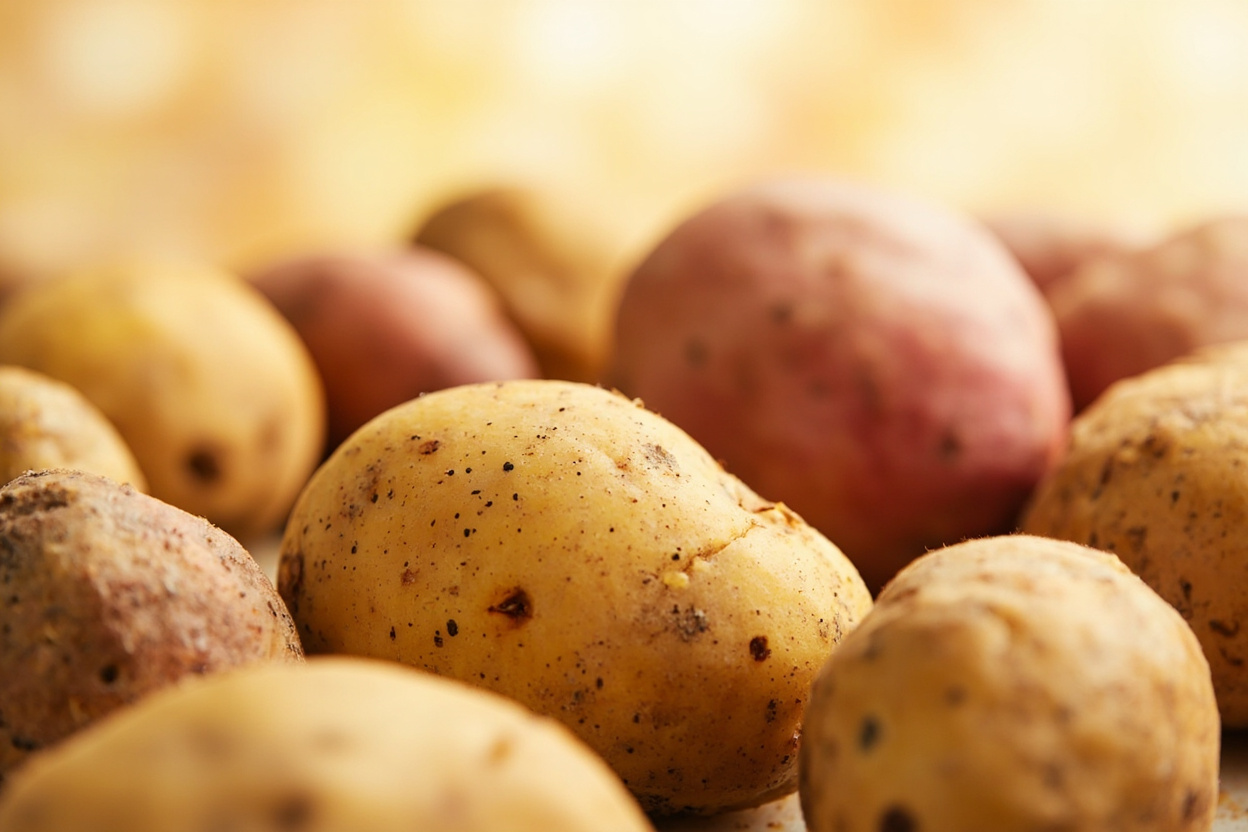
Buy smart: choose firm, unblemished tubers with no sprouts or green spots. Smaller batches reduce the need for long storage unless you have a proper cool cellar.
When buying in bulk, inspect sacks and separate any damaged items immediately to prevent cross-contamination.
Rotation strategy: implement FIFO labeling-write the purchase date on the bag. Store newer potatoes behind older ones so the oldest are used first.
Check your storage weekly and remove any potatoes showing early signs of spoilage.
Long-term options: cure tubers for 1–2 weeks at higher RH and moderate temperature immediately after harvest to set skins, then move to cool storage.
Alternatively, blanch and freeze cooked potatoes for year-long storage. Vacuum sealing and proper labeling extend both pantry and freezer life significantly.
Final Thoughts
Potato Shelf Life: is governed by variety, storage environment, and handling. By controlling temperature, humidity, light, and airflow, you can maximize both safety and culinary quality-keeping potatoes fresh for weeks to months or preserving cooked potatoes in the freezer for up to a year.
Simple changes like avoiding plastic bags, maintaining a cool dark spot, and using blanching before freezing produce immediate improvements.
Frequently Asked Questions
At room temperature in a dark, ventilated spot, most raw potatoes last 1–2 weeks. Warmer kitchens or exposure to light shortens that timeframe. Use or move to cooler storage if you need them to last longer.
Refrigeration slows microbial growth but causes starch-to-sugar conversion, resulting in a sweeter flavor and darker color when cooked. Avoid refrigerating raw potatoes unless you plan to use them quickly and accept changes in texture.
Green areas indicate solanine accumulation, which can cause gastrointestinal and neurological symptoms if consumed in large amounts. Small green patches can be removed; discard heavily greened tubers.
Best practice is to blanch (2–10 minutes depending on cut size), cool in ice water, dry, flash-freeze on a tray, then pack in airtight containers or vacuum bags. Use within 10–12 months for optimal quality.
Aging causes shriveling, sprouting, and firmness loss, but not necessarily spoilage. Spoilage shows as mold, foul odor, slime, or soft, rotten spots. Aged but firm potatoes are safe and can be used for mashing or cooking.
For home long-term storage, keep potatoes in a cool, dark closet or basement at the lowest possible temperature above freezing (ideally 45–50°F), in breathable containers, and high RH if feasible. Alternatively, blanch and freeze cooked potatoes for truly long-term storage up to 12 months.
