
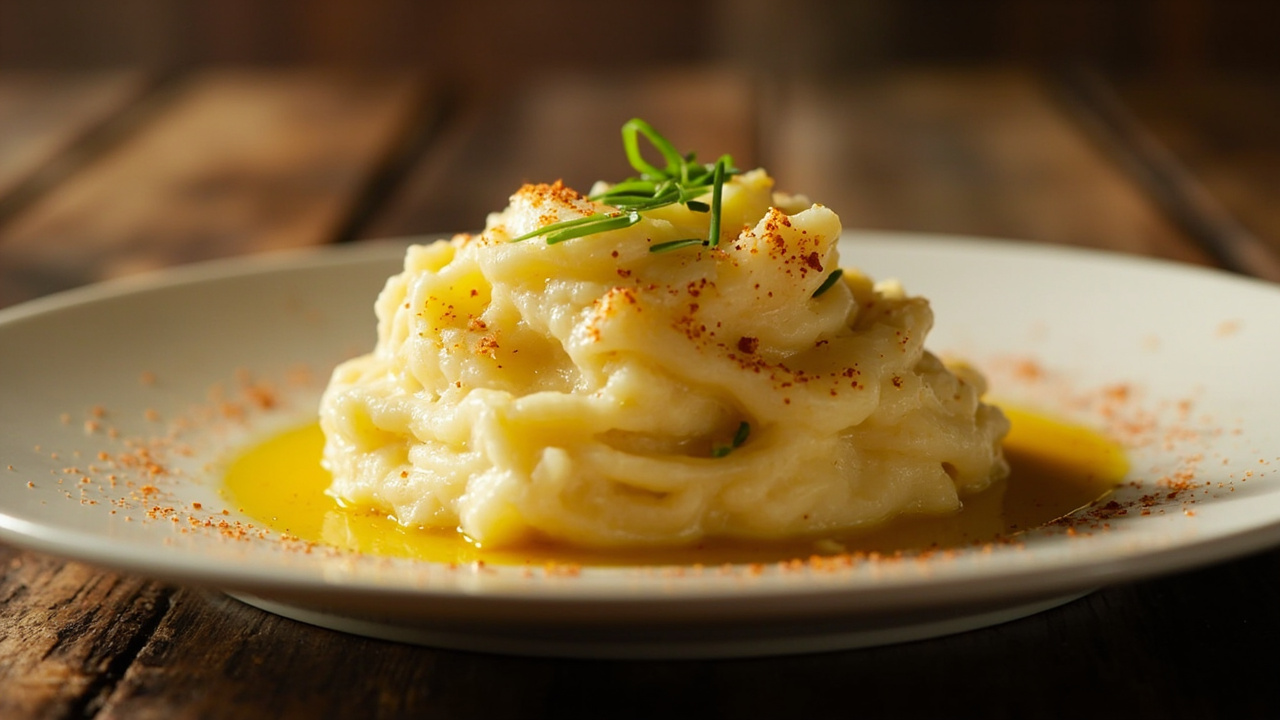
There’s a small kitchen secret that turns ordinary spuds into something borderline addictive, and it’s called brown butter mashed potatoes.
Silky, pillowy potatoes meet nutty, caramelized butter for a contrast of creamy texture and toasted, toffee-like flavor that begs for seconds.
The mouthfeel is luxurious yet homey, with glossy peaks and little pools of warm brown butter, making it an essential side for weeknight dinners and holiday spreads alike.

Brown Butter Mashed Potatoes
Ingredients
- 900 g Yukon Gold or Russet potatoes
- 115 g unsalted butter
- 120 ml warm whole milk or cream
- 10 g kosher salt
- 5 g black pepper
Instructions
- Boil potatoes until fork-tender, drain and steam-dry.
- Melt and brown butter until amber and nutty, then remove from heat.
- Mash potatoes, add warm milk, stir in brown butter, season to taste.
Why You Need to Try This Brown Butter Mashed Potatoes?
Brown butter mashed potatoes succeed because browning butter changes its chemistry, the milk solids caramelize and produce nutty, toffee-like compounds that add depth beyond simple butter flavor.
That Maillard-driven complexity pairs superbly with the neutral, starchy canvas of potatoes, creating a richer mouthfeel.
Textural contrast is key. Well-drained, steam-dried potatoes remain light and airy, allowing the brown butter to coat each granule rather than weigh the mash down.
Warm dairy returns starch to a smooth emulsion, producing glossy, spoonable peaks.
Aroma plays a subtle role. The toasty scent of browned butter triggers appetite and amplifies perceived richness, so a spoonful feels indulgent even when ingredients are humble.
Small technique choices, timing the brown butter, using warm milk, and finishing with coarse salt make all the difference.
What Goes Into These Brown-Butter Mashed Potatoes?
- 900 g (2 lb) Yukon Gold or Russet potatoes: high starch or balanced starch for fluffy, cohesive texture
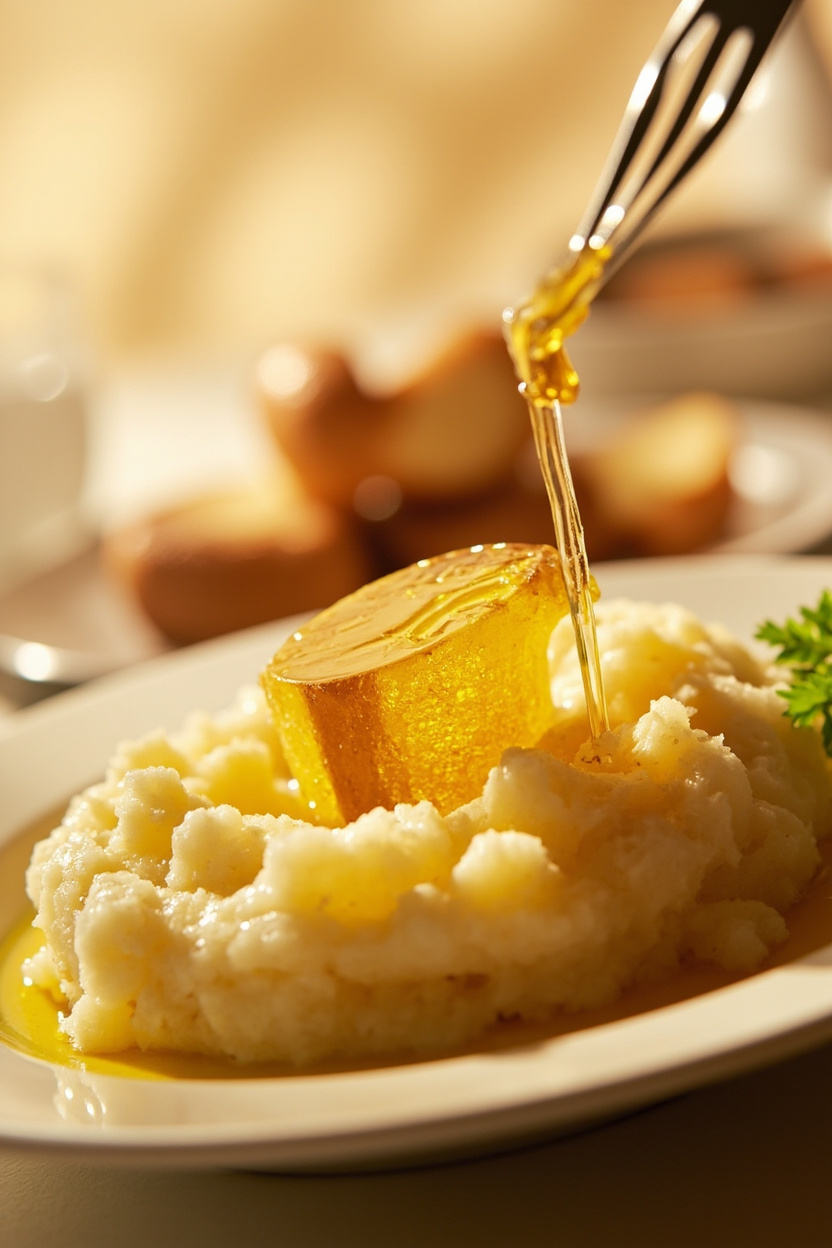
- 115 g (1/2 cup) unsalted butter: browning produces roasted milk solids that create nutty flavor compounds
- 120 ml (1/2 cup) whole milk or cream, warmed: fat and heat form an emulsion with potato starch for silkiness
- 10 g (2 tsp) kosher salt: ionizes to enhance taste and regulate starch gelatinization
- 5 g (1 tsp) freshly ground black pepper: volatile aromatics lift the brown butter’s toasty notes
Kitchen Tools You’ll Need
- Large pot with lid,
- Fine-mesh colander or sieve,
- Potato masher or ricer,
- Small saucepan for browning butter,
- Wooden spoon or heatproof spatula,
Technique Meets Taste: Browning, Mashing, and Finishing to Perfection
- Prep and start potatoes: Peel if you prefer a silky mash, or scrub and leave skins on for texture. Cut into even chunks, so they cook uniformly. Place in cold, salted water and bring to a gentle boil; starting cold ensures even cooking and prevents a mealy exterior.
- Cook until tender: Simmer until a fork slides through with little resistance, about 15-20 minutes depending on size. Listen for a gentle simmer, and avoid vigorous boiling that can fracture cells and make the mash gluey.
- Drain and steam-dry: Pour potatoes into a fine-mesh colander and return the pot to low heat for a minute to evaporate surface moisture. Steam-drying concentrates starch so the mash stays light rather than gummy.
- Brown the butter: In a small saucepan, melt butter over medium heat. It will foam, then the foam subsides, and amber solids appear. Watch closely and smell for warm, nutty notes; remove from heat just as the solids turn golden to avoid bitterness.
- Warm the milk: Gently heat milk or cream until warm but not boiling. Warm dairy integrates with potato starch more readily and keeps the mash temperature to absorb butter gracefully.
- Mash and season: Return potatoes to the pot or a warm bowl. Use a ricer for the silkiest texture or a traditional masher for a bit more body. Add warm milk a little at a time, mashing to reach your desired creaminess.
- Fold in brown butter: Pour browned butter, including the toasted solids, into the mash. Fold gently so the buttery, nutty aroma coats each spoonful and glossy peaks form. Taste and adjust salt and pepper.
- Finish and serve: Spoon into a warm serving bowl, create shallow divots, and drizzle any remaining brown butter on top. Garnish with chives or flaky salt for contrast.
Salt, Sear, and Texture Tricks from the Pro Pantry
Choose the right potato
Yukon Golds deliver a natural creaminess and buttery flavor, while Russets yield the lightest, fluffiest mash because of higher starch content.
I often split the difference – half Yukon Gold, half Russet – to get silk plus structure.
Control moisture for texture
After draining, give the potatoes 1-2 minutes in the pot over low heat to evaporate excess water.
Excess moisture dilutes flavor and makes the mash heavy; steam-drying concentrates starch for a lighter result.
Brown butter timing
Brown butter goes from perfect to burnt in seconds. Use medium heat, swirl the pan, and remove from heat when the foam subsides and amber specks form.
The aroma will shift from milky to toasty – that’s your cue.
Warm dairy, gentle mixing
Always add warm milk or cream gradually. Cold liquid shocks starch and can make the mash gluey.
Mash gently – overworking develops gluten-like strands from starch and ruins the texture.
How to store brown butter mashed potatoes?
- Room temperature: Avoid leaving mashed potatoes out for more than 2 hours to prevent bacterial growth.
- Fridge: cool quickly, store in an airtight container for up to 4 days.
- Freezer: portion into airtight containers and freeze up to 3 months; thaw overnight in the fridge before reheating gently with a splash of milk and a knob of butter.
Variations and Substitutions
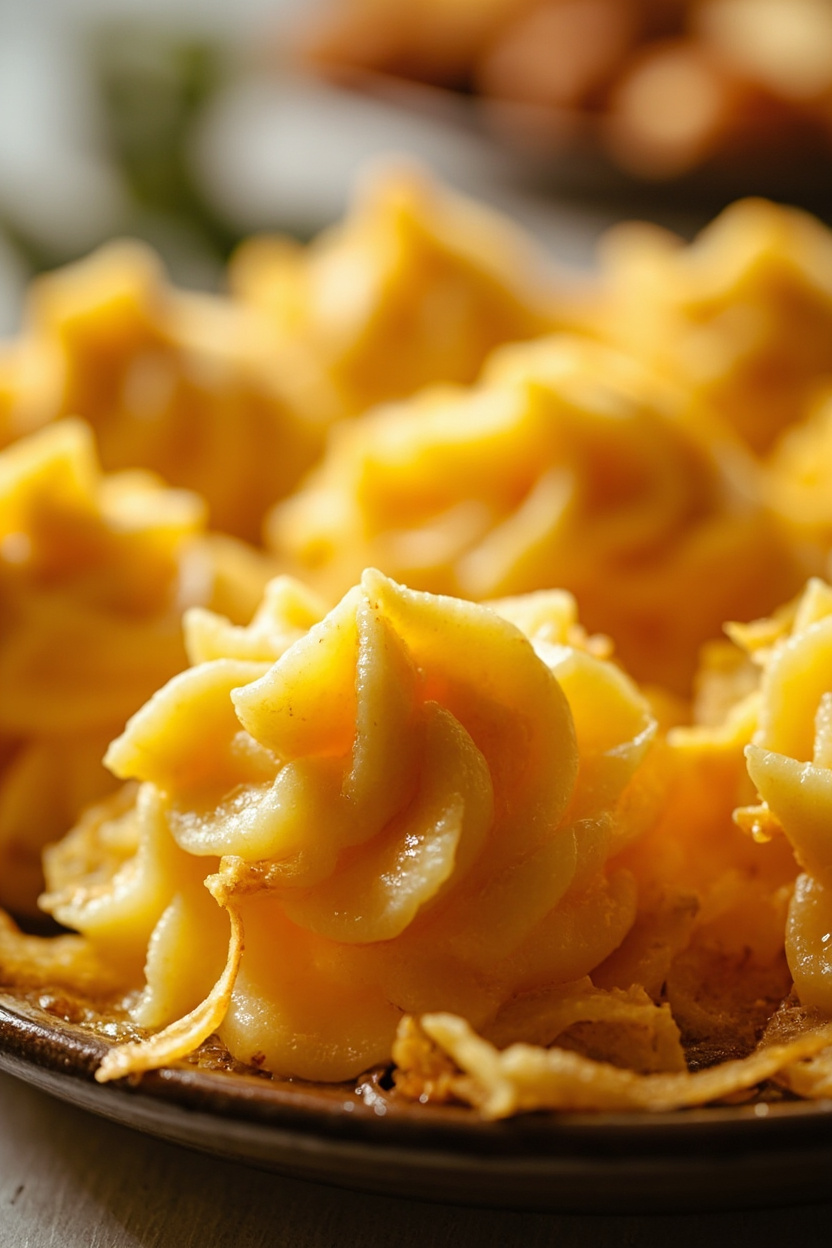
-Add roasted garlic and crispy garlic crumbs for a crunchy texture and savory depth.
Stir in grated Parmesan or Pecorino for a salty umami lift.
Swap whole milk for low-fat milk and a touch more butter if you want lower lower-fat but still rich flavor.
Finish with herb brown butter brown butter with sage leaves for a classic, aromatic twist.
Nutrition Information
A serving is moderate in calories with comforting fat from butter and dairy, and carbohydrates from potatoes that provide vitamin C and potassium.
This recipe is gluten-free but not dairy-free or keto-friendly as written.
Frequently Asked Questions
You can make the mash, cool completely, and refrigerate it up to 4 days. Reheat gently over low heat with a splash of warm milk and fresh brown butter to revive texture and aroma.
Yes, reheat them with a little milk or cream to loosen the texture. Crisping spoonfuls in a hot buttered pan makes delicious potato cakes.
Yes, the core recipe is gluten-free, but watch for any add-ins like gravy or toppings that may contain gluten.
