
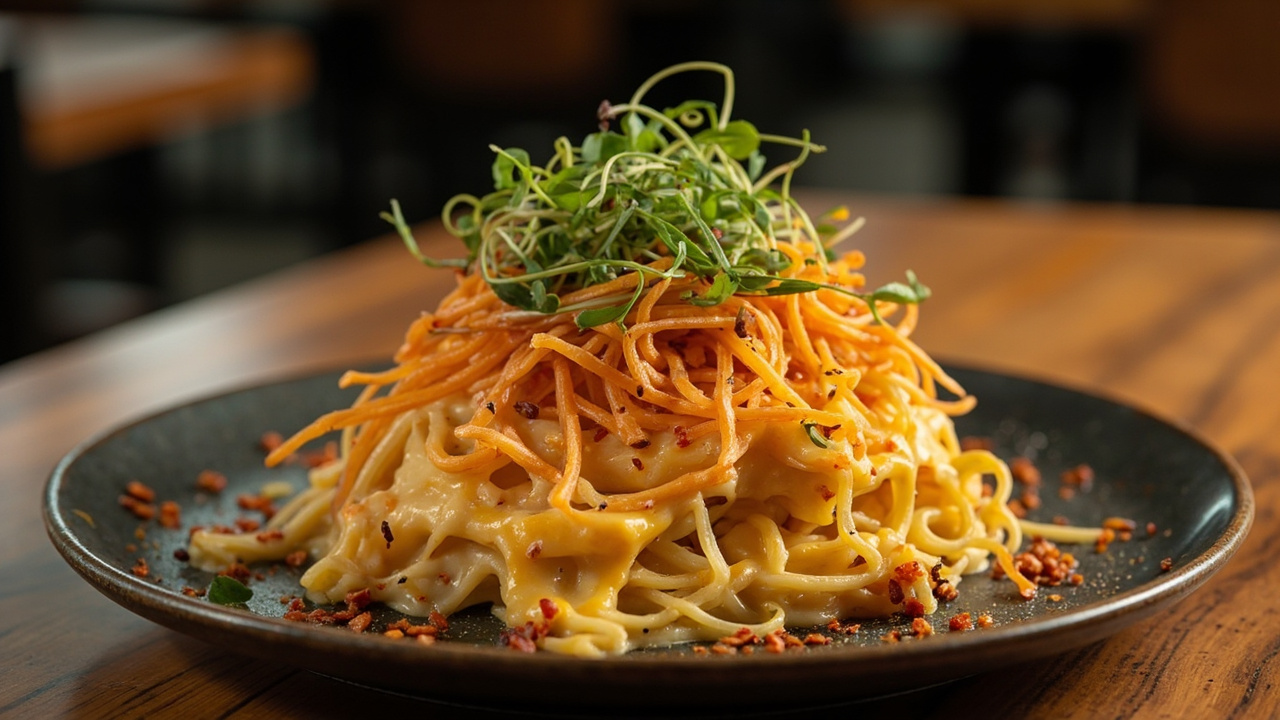
A hot, glossy pour of nacho cheese potato topping is the kind of comfort that hits every craving at once.
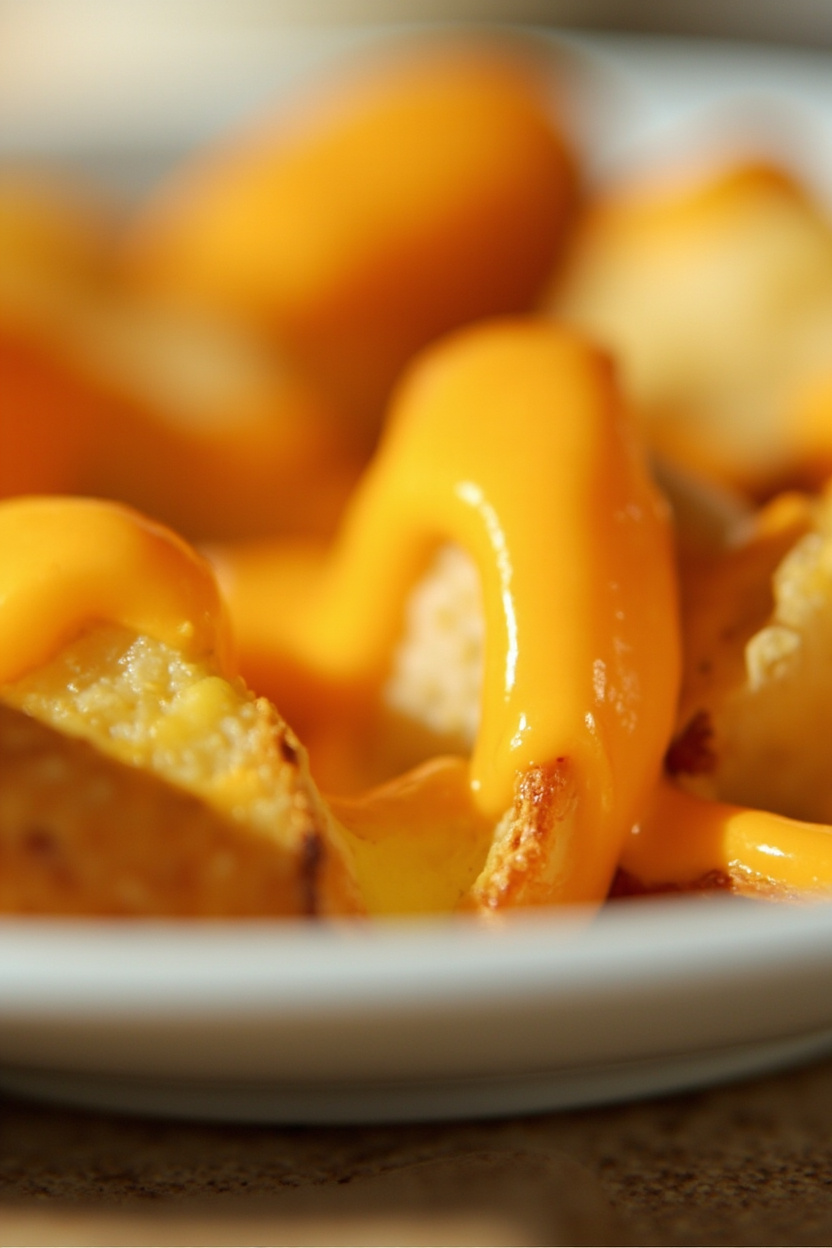
Think silky, sharp cheddar folded with a whisper of spice, clinging to crispy potato bites and pooling in the creases of a twice-baked spud.
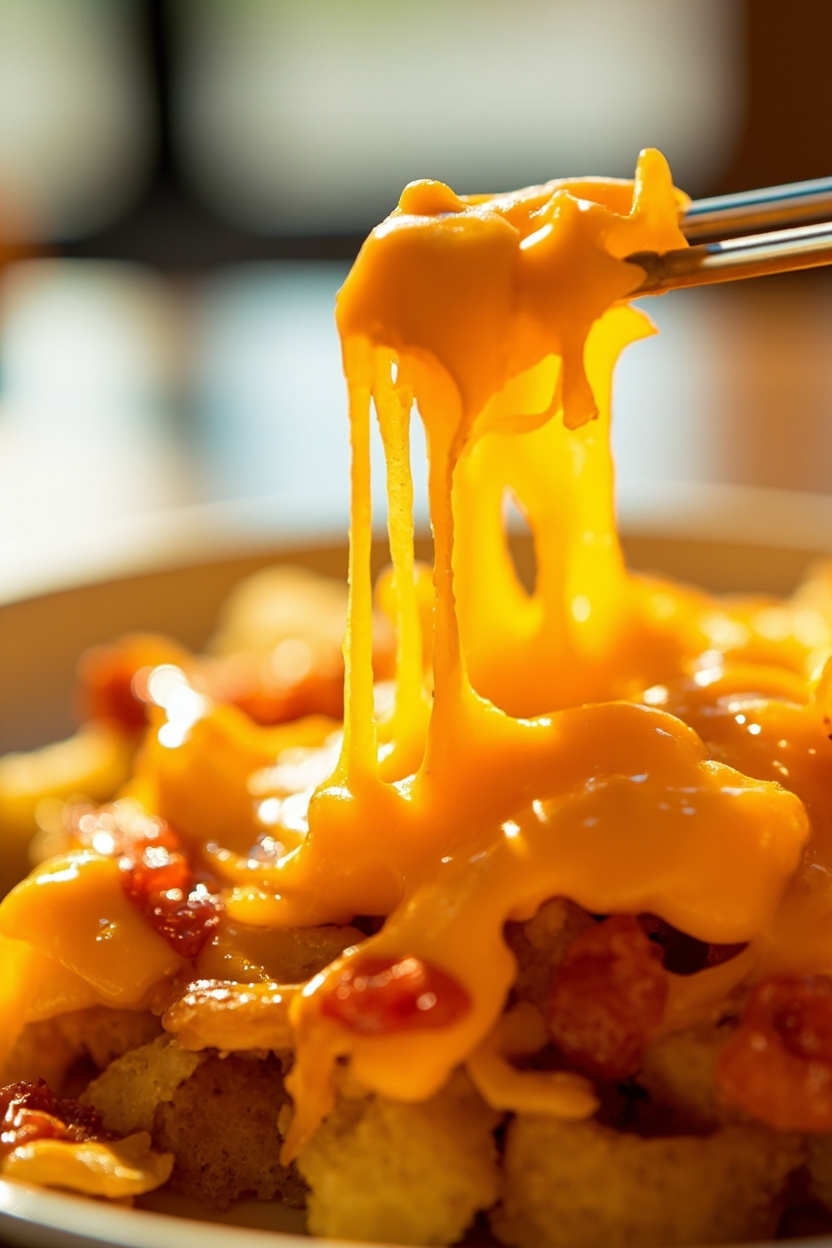
The texture is luxuriously smooth, with a slight elasticity that teases a long cheese pull. The flavor balances tang, heat, and creaminess so each forkful tastes deliberate, not sloppy.
Make it once, and it’ll become your weekend ritual. Below, I share a practical nacho cheese potato topping guide with chefly tips, a full tutorial, and tricks to keep it perfectly saucy and never greasy.
Why This Nacho Cheese Potato Topping Recipe Works?
The roux-and-milk base creates a stable emulsion so the cheese melts into a silky, cohesive sauce instead of separating into oil and clumps.
Adding the cheese off the heat prevents overheating the proteins, which keeps the texture smooth and elastic for that satisfying cheese pull.
A touch of acidic jalapeño brine brightens the fatty cheese, sharpening flavor and enhancing perceived saltiness. Smoked paprika introduces a background warmth and color, making the topping taste deeper without adding heat.
Grated sharp cheddar brings a balance of fat and aged flavor compounds, while warm milk helps lactose and moisture integrate with the cheese for creaminess.
These choices make the nacho cheese potato topping cling to potatoes and taste layered, not flat.
What Goes Into the Ultimate Nacho Cheese Potato Topping?

- 450g (3 cups) sharp cheddar, grated: provides melting body and strong umami from aged casein breakdown
- 30g (3 tbsp) unsalted butter: supplies milk fat to enrich mouthfeel and help form an emulsion
- 30g (3 tbsp) all-purpose flour: thickening agent; gelatinizes to stabilize the sauce
- 480ml (2 cups) whole milk: liquid medium with lactose to aid cheese melting and add creaminess
- 60ml (1/4 cup) pickled jalapeño brine: acidulant that brightens flavors and reduces perceived greasiness
- 1 tsp smoked paprika: adds color and smoky aromatic compounds through carotenoids
- Salt and black pepper to taste: minerals that enhance overall flavor perception
Kitchen Tools You’ll Need
- Medium saucepan: even heat distribution for roux and sauce
- Whisk: prevents lumps and keeps the sauce silky
- Box grater or food processor: fine grate for quick, even melting
- Heatproof spatula: for folding cheese gently off the heat
How to Build That Gooey, Tangy Topping Without Failing?
- Warm the milk: Pour milk into a small pot and heat until steaming but not boiling. Warm milk reduces temperature shock when it meets the roux and cheese; you should smell a faint creaminess and see small steam wisps.
- Make the roux: In a medium saucepan, melt butter over medium heat until it foams, then whisk in flour. Cook 1-2 minutes while stirring; the mixture will smell nutty and just begin to color, which removes the raw flour taste.
- Add milk gradually: Slowly whisk in the warm milk in a steady stream. The sauce will turn glossy and thicken as starch granules swell. Keep whisking until the texture feels viscous and coats the back of a spoon.
- Simmer gently: Reduce the heat to low and let the béchamel simmer for 1-2 minutes. You should notice a velvety sheen and a slightly denser mouthfeel compared to the original milk.
- Remove from heat for cheese: Take the pan off the heat before adding cheese. Add grated cheddar a handful at a time, whisking between additions so the molten strands fold into the sauce, creating a cohesive, elastic texture.
- Season and finish: Stir in jalapeño brine and smoked paprika, then taste for salt and pepper. The aroma should be tangy and smoky, and the sauce should drip slowly from a spoon in long, glossy ribbons.
- Serve immediately: Spoon the warm nacho cheese potato topping over hot roasted potatoes or fries so it clings to edges and pools in crevices. If reheating, use low heat and a splash of milk to restore silkiness.
Chef Secrets for Peak Cheese Pull and Zero Sogginess
Use freshly grated cheese
Store-bought pre-shredded cheese contains anti-caking agents that prevent smooth melting.
Grate your own from a block so the fat and protein melt uniformly, giving you a supple, elastic nacho cheese potato topping.
Don’t overheat the sauce
High heat makes casein proteins seize and oil separate. Keep the sauce low and add cheese off the heat. If the sauce breaks, whisk in a teaspoon of hot water or a splash of milk to bring it back together.
Balance with acid
A small amount of pickled jalapeño brine or lemon juice brightens the sauce and cuts perceived greasiness. Add acid incrementally, tasting as you go, until the flavors pop without becoming vinegary.
Serve hot and fast
Cheese sauces firm as they cool. Keep the topping warm over a very low bain-marie if serving family-style, and stir occasionally to maintain that glossy, pourable consistency.
How to Store Nacho Cheese Potato Topping?
- Room temperature: Not recommended for longer than 2 hours due to dairy safety.
- Fridge: Cool quickly, transfer to an airtight container, and refrigerate up to 4 days. Reheat gently over low heat with a splash of milk to restore texture.
- Freezer: Not ideal, but you can freeze up to 2 months. Thaw overnight in the fridge and reheat slowly, whisking in milk to smooth any graininess.
Variations and Substitutions
- Add cooked chorizo or ground beef for a meaty nacho cheese potato topping with extra savory depth.
- Swap half the cheddar for Monterey Jack or Gruyère for a milder, creamier texture.
- Make it spicy by stirring in 1-2 tbsp of chipotle in adobo for smoky heat.
- For a lighter version, use evaporated milk or low-fat milk, but expect slightly less silkiness.
Nutrition Information
Rich in calcium and protein from the cheese, this topping is calorie-dense and higher in saturated fat. It is naturally gluten-containing if you use flour, but you can make it gluten-free by swapping in a cornstarch slurry. Not dairy-free or keto-friendly unless using specific substitutes.
Frequently Asked Questions
Stored in an airtight container, it will keep 3-4 days. Reheat gently with a splash of milk to recover texture.
Yes, you can make it ahead and refrigerate. Warm slowly over low heat and whisk in milk to loosen before serving.
Yes, replace the flour roux with a cornstarch slurry (1 tbsp cornstarch + 2 tbsp cold water) added to warm milk and cook until thickened.
Combining cheddar with Monterey Jack or Gruyère gives different melting qualities and flavor profiles while keeping great texture.
