
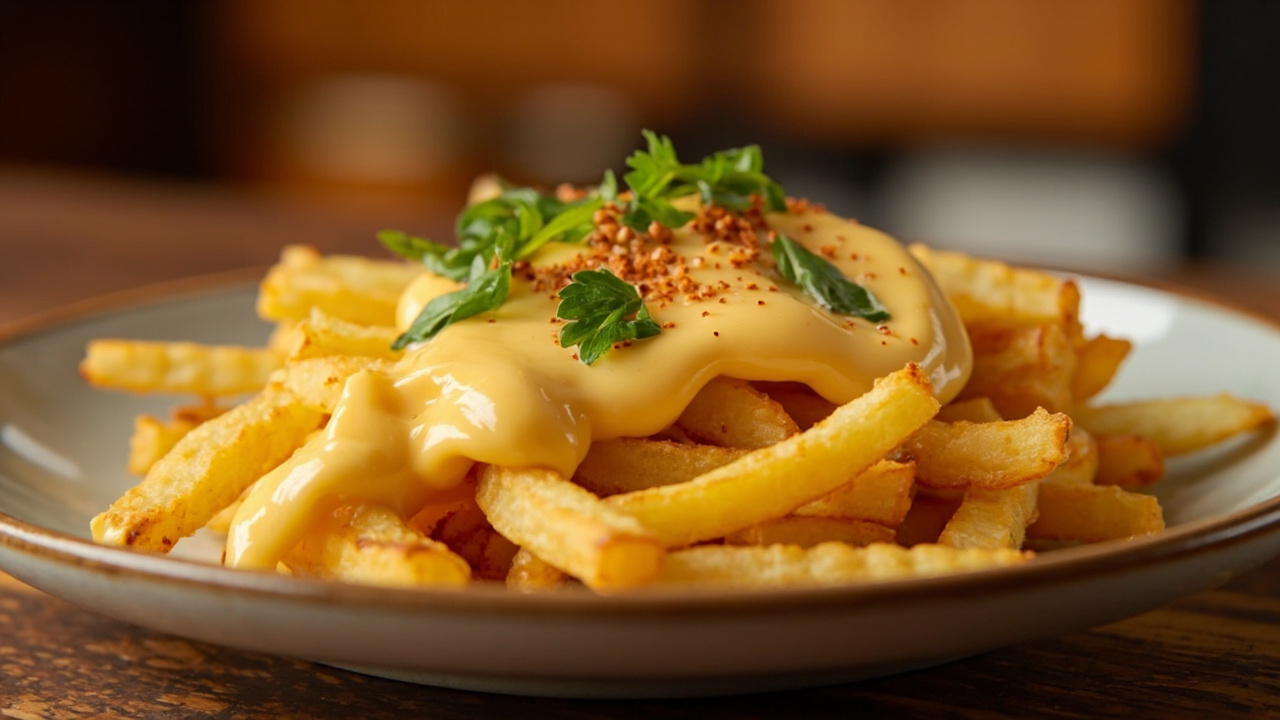
There’s a reason the perfect cheese sauce for fries makes mouths water before the first forkful. Think glossy, ribbon-like strands of molten cheese that cling to crisp-edged potatoes, a rich, silky texture without being cloying, and a savory depth that pulls every flavor together.
This cheese sauce for fries is quick to make, indulgent yet balanced, and turns ordinary fries into a restaurant-caliber snack you’ll want to serve to friends.
I’ll walk you through a cheese sauce for fries guide that covers texture, flavor balancing, and simple techniques so you can whip up the best cheese sauce for fries every time.
Why does this cheese sauce for fries Recipe work?
The roux-based technique builds a stable starch network that prevents the sauce from separating when melted cheese is added, giving you a velvety mouthfeel.
Using warm milk prevents thermal shock to the cheese, so it melts smoothly, and the sauce stays glossy.
Sharp cheddar brings bold flavor and good melting properties, while a touch of mustard acts as an emulsifier and brightens the profile.
Finishing off the sauce off-heat avoids overcooking the cheese proteins, so the texture remains silky and clingy for fries.
What Goes Into This Irresistible Cheese Sauce for Fries?
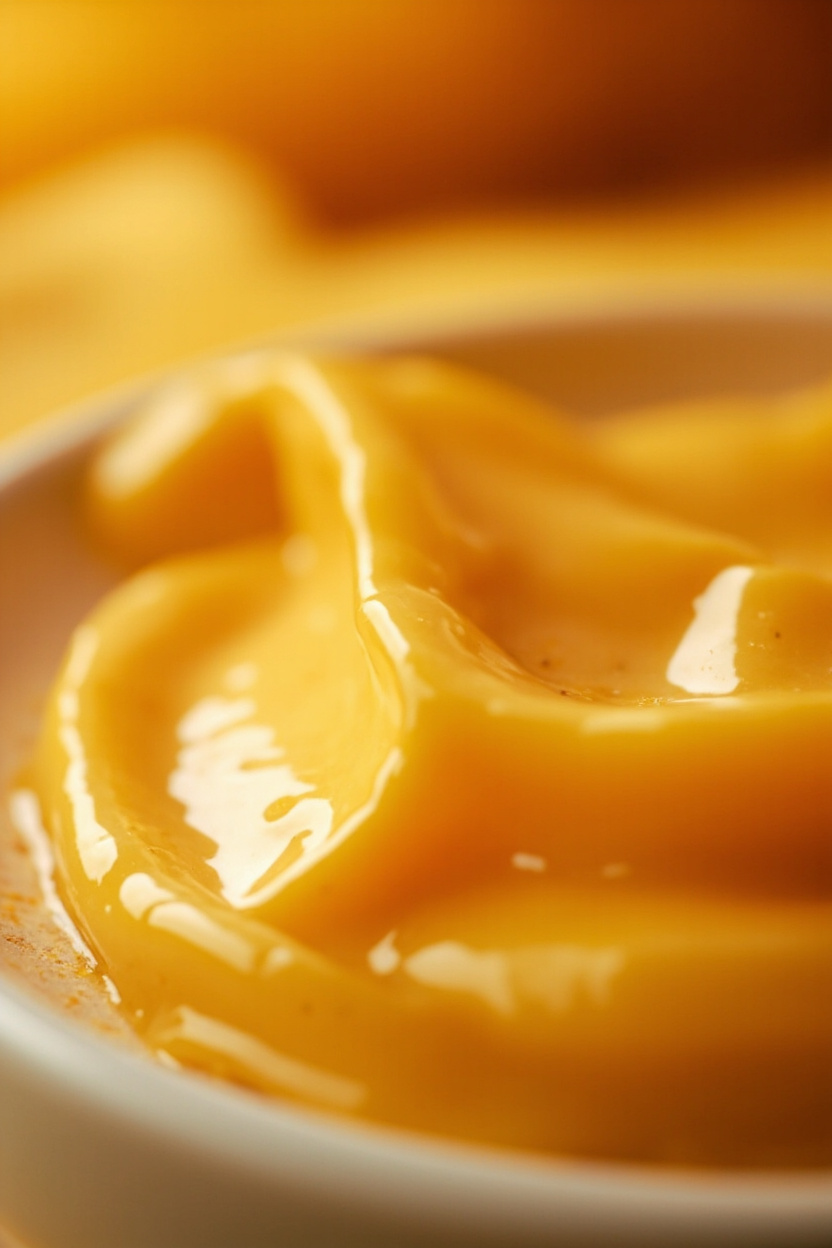
- 45 g unsalted butter: (3 tbsp) provides fat for a smooth mouthfeel and helps the roux form evenly.
- 30 g plain flour: (1/4 cup), starch that thickens the sauce through gelatinization, stabilizing texture.
- 360 ml whole milk: (1 1/2 cups) delivers liquid and milk proteins that aid creaminess and emulsification.
- 200 g sharp cheddar, grated: (7 oz) offers concentrated cheese flavor and melting proteins for stretch and depth.
- 1 tsp Dijon mustard: (1 tsp) acts as an emulsifier and adds subtle acidity to balance fat.
- 1/2 tsp fine sea salt: (1/2 tsp) enhances overall taste and rounds savory notes.
- Freshly ground black pepper: (to taste) contributes aromatic piquancy and complexity.
Kitchen Tools You’ll Need
- Medium saucepan: for even heat and controlled simmering.
- Whisk: to incorporate roux and prevent lumps.
- Box grater: yields fresh grated cheese that melts evenly.
- Heatproof spatula: for scraping and finishing off the sauce.
Melt, Whisk, Finish: Building Velvet Cheese for Every Fry
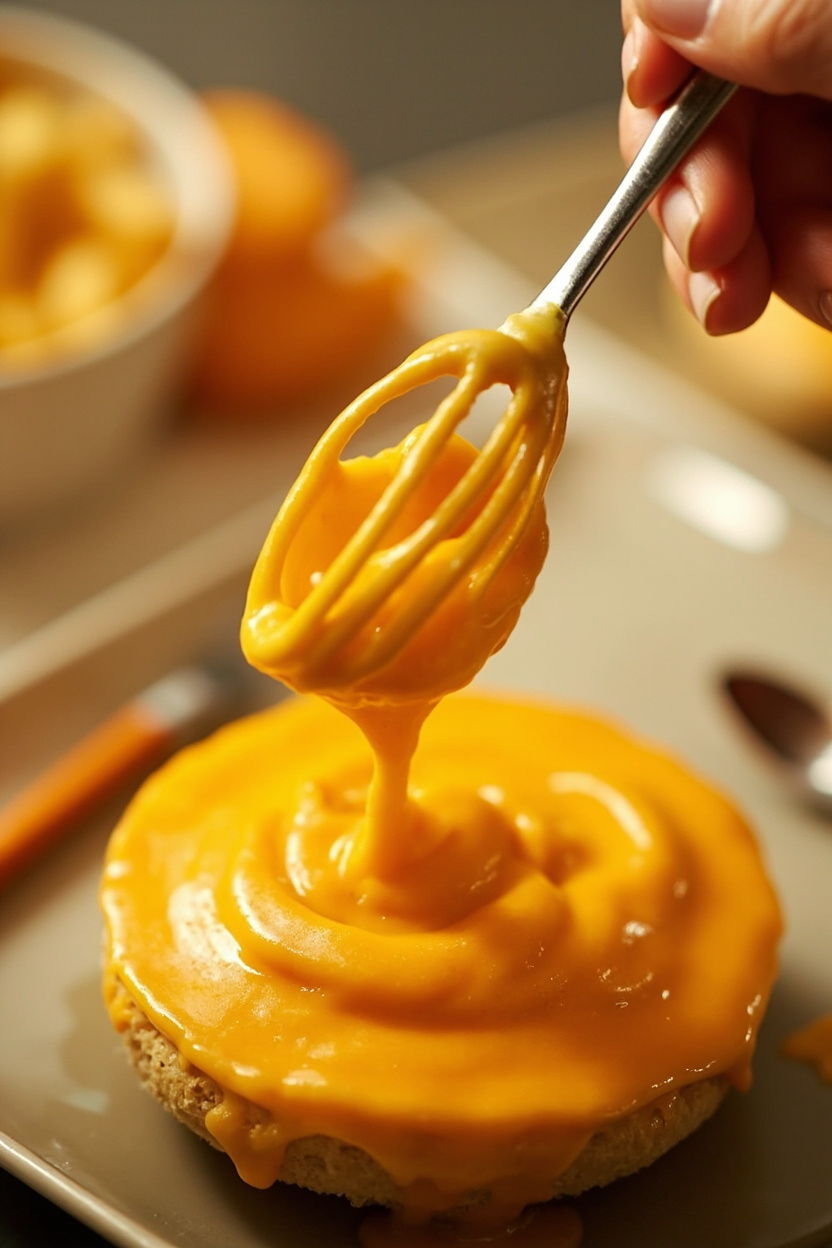
- Warm the milk gently in a small pot or microwave until it’s barely warm to the touch. Warm milk reduces temperature shock when added to the roux, so the sauce stays silkier when you add cheese.
- Melt the butter in a medium saucepan over medium heat. You’ll see it foam lightly and smell a sweet, dairy aroma – that’s your cue to move on. The foam indicates moisture leaving and the fat heating evenly.
- Add the flour and whisk constantly for about 60 seconds. The mixture should smell faintly nutty and take on a pale, sandy look. This cooking step removes the raw flour taste and primes the roux to thicken smoothly.
- Slowly whisk in the warm milk a little at a time, making sure the mixture stays lump-free. The sauce will first look thin, then progressively thicken to coat the back of a spoon with a satiny sheen.
- Lower the heat to a gentle simmer and cook for 2 to 3 minutes, whisking. You’ll notice the aroma becomes richer and the texture more substantial, signaling the starch has gelatinized properly.
- Remove the pan from the heat and stir in Dijon mustard and salt. Add the grated cheddar in small batches, stirring until each addition is fully melted and the sauce becomes glossy. Avoid boiling, as aggressive heat can make the cheese separate.
- Taste and season with black pepper and additional salt if needed. Keep the sauce warm over the lowest heat setting, whisking occasionally to maintain emulsion until ready to pour over fries.
Chef-Only Tricks for Luscious, Non-Soggy Cheese Coverage
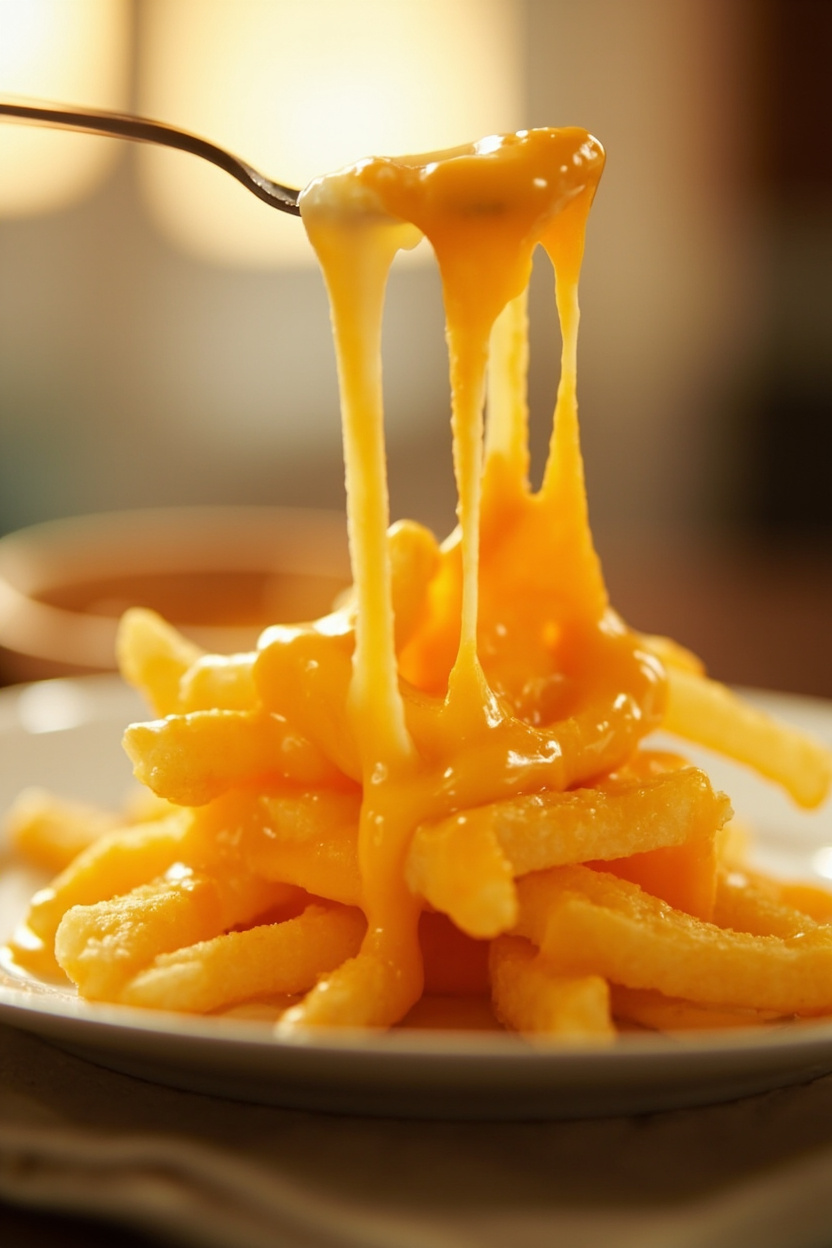
1. Choose cheese with good melting properties
Use freshly grated sharp cheddar rather than pre-shredded cheese, which contains anti-caking agents that inhibit smooth melting. Mixing in a small amount of a higher-moisture cheese, like young cheddar or fontina, improves creaminess without diluting flavor.
2. Keep the sauce warm, not hot
Holding the sauce at a gentle warmth prevents protein separation. If it thickens too much, whisk in a splash of warm milk to loosen it. For a quicker rescue from graininess, strain the sauce through a fine sieve while stirring.
3. Prevent soggy fries
Serve cheese sauce alongside fries rather than pouring it over piping-hot fries that will steam. For coating, toss fries briefly with spoonfuls of sauce so they remain crisp under the cheese while staying saucy and satisfying.
How to store cheese sauce for fries?
- Room temperature: keep covered for up to 2 hours when serving.
- Fridge: transfer to an airtight container and refrigerate for up to 4 days. Reheat gently over low heat, whisking in a splash of milk to restore creaminess.
- Freezer: not recommended since texture deteriorates with freezing and thawing.
Variations and Substitutions
- Swap half the cheddar for pepper jack for a spicy kick and melty stretch.
- Use Gruyere or fontina in place of some cheddar for nuttier, silkier results.
- For a vegan option, make a cashew-based béchamel and blend in nutritional yeast for cheese flavor.
- Add smoked paprika or a touch of hot sauce to the base for smoky or tangy notes.
Nutrition Information
This cheese sauce is high in protein and calcium from real cheese, and provides satisfying fat for satiety. It is not gluten-free due to the flour unless you substitute a gluten-free thickener; it is not dairy-free or keto-friendly in the standard version.
Frequently Asked Questions
Store in an airtight container in the fridge for up to 4 days. Reheat gently with a splash of milk to restore texture.
Yes, you can make it a day ahead and rewarm slowly over low heat, whisking and adding milk if needed to loosen the sauce.
It works for both. Keep it slightly thicker for dipping and loosen with warm milk for pouring over fries.
Sharp cheddar is a classic choice for bold flavor and good meltability; blending with a softer cheese can boost silkiness.
