
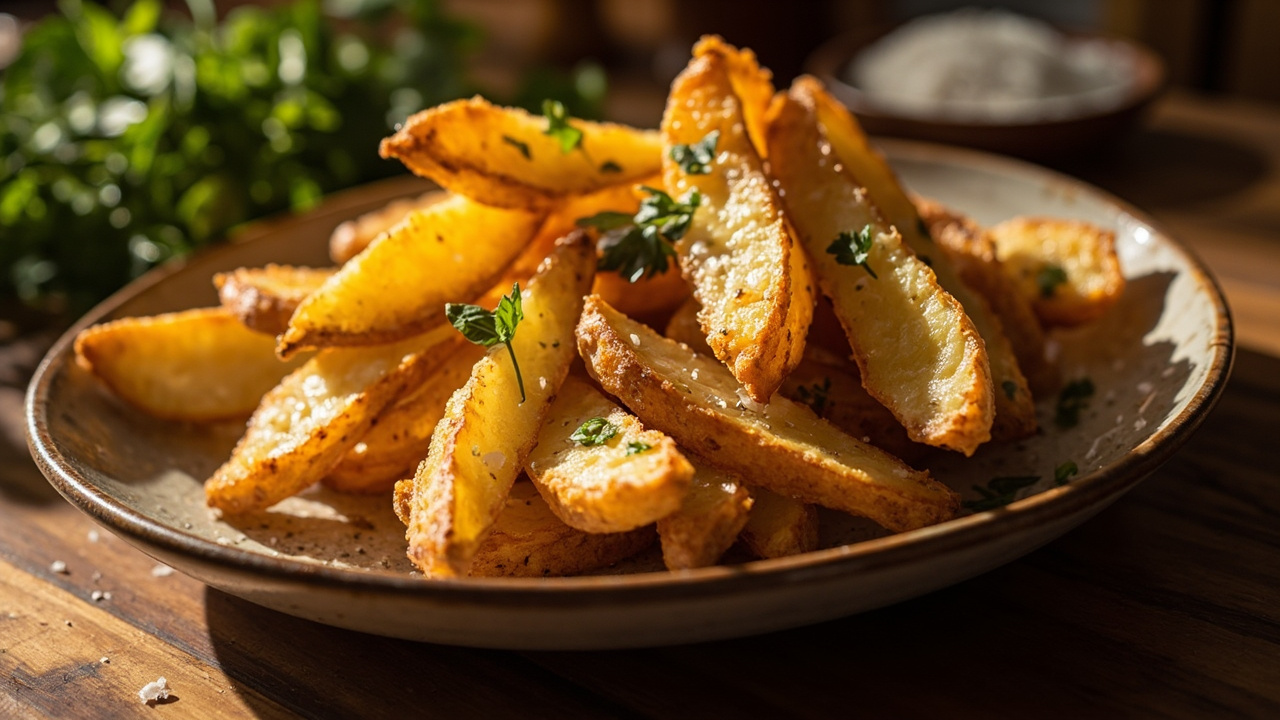
There’s a simple pleasure in biting into golden potato wedges – the crackle of a seasoned crust giving way to a fluffy, steaming interior.
Potato wedges are comfort food with attitude; they carry smoky roasted notes, a whisper of garlic, and that starchy creaminess that feels like a warm hug.
They’re versatile enough for weeknight dinners and polished enough to serve beside a steak or a composed salad.
I’ll share a straightforward potato wedges recipe and potato wedges tips so you get ultra-crisp exteriors and pillowy centers every time.
Why This Potato Wedges Recipe Works?
- Parboiling before roasting creates a tender interior while the roughened surface traps oil and cornflour, which crisps during high-heat roasting.
- Using cornflour forms a thin, dry coating that accelerates browning through the Maillard reaction, producing a delicate, crackly crust.
- High oven temperature encourages rapid surface dehydration and browning, so wedges crisp without drying out inside.
- Spacing wedges in a single layer prevents steaming and ensures even heat circulation, giving consistent golden color and texture.
The Flavor-Building Cast for Crispy Potato Wedges
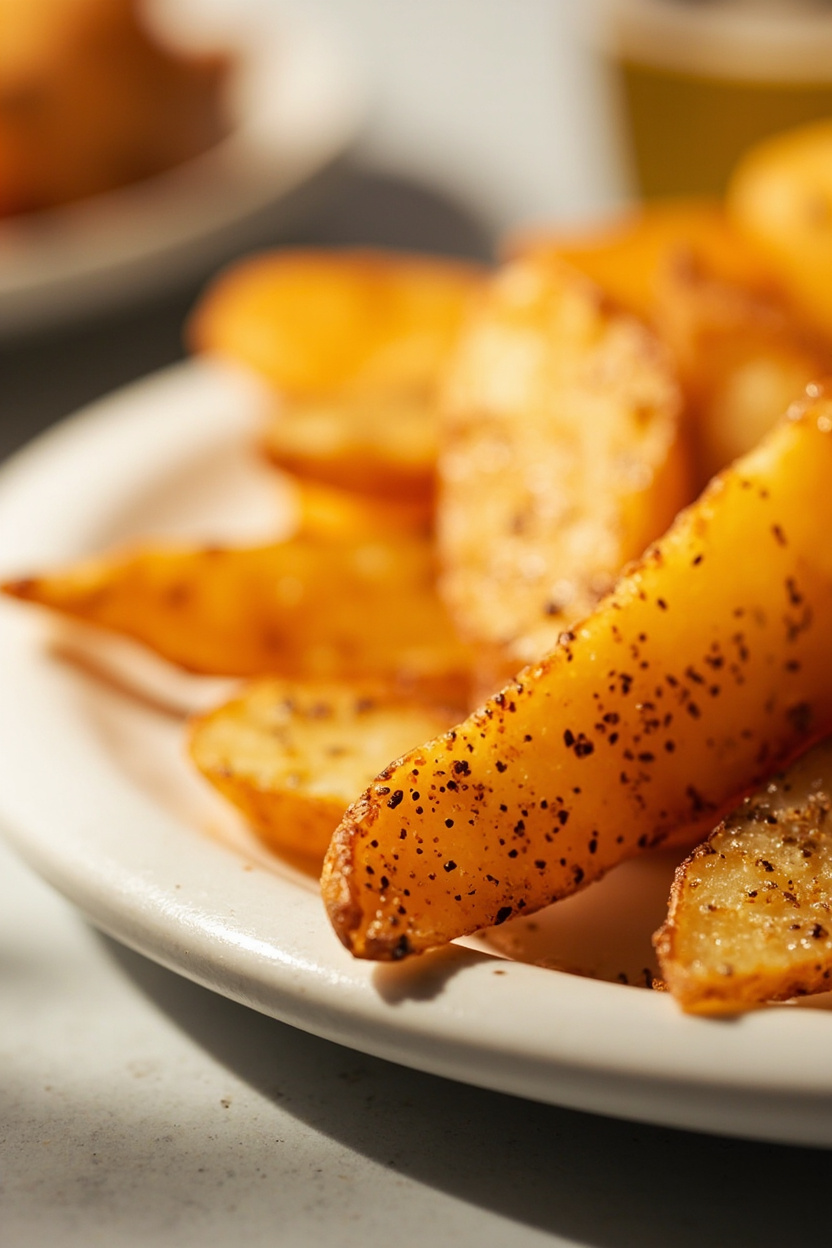
- 1 kg Yukon Gold or Maris Piper potatoes – about 6 medium, for a consistent starch and moisture balance that yields a creamy interior.
- 30 ml olive oil – 2 tbsp, a monounsaturated fat that promotes heat transfer and aids browning via lipid-mediated Maillard pathways.
- 15 g cornflour – 1 tbsp, fine starch that dries the surface and forms crisp, glassy textural notes when roasted.
- 5 g sea salt – 1 tsp, ionic seasoning that enhances flavor and affects cell osmolarity in the potato.
- 3 g smoked paprika – 1 tsp, adds phenolic smokiness and color through natural pigments.
- 2 g garlic powder – 1/2 tsp, concentrated alliums that provide umami-like depth without burning at high heat.
- Fresh parsley, chopped – optional, fragrant herb to cut richness with bright volatile oils.
Kitchen Tools You’ll Need
- Large saucepan: for parboiling and softening the edges.
- Rimmed baking sheet: ensures even roasting and prevents juices from pooling.
- Mixing bowl: for evenly coating wedges with oil and spices.
- Kitchen towel or colander: to shake and roughen parboiled wedges.
Flip, Roast, Revel: How to Bring These Potato Wedges Alive?
1. Preheat the oven to 220C °C/430°F and position a rack in the center. The oven needs to be fully hot, so the heat hits the wedges immediately and starts crisping the surface.
2. Wash the potatoes thoroughly and cut each into eight even wedges. If skins are on, keep them for texture and flavor. Even sizes mean even cooking and a consistent bite.
3. Place wedges in salted boiling water and parboil for about 6 minutes. You want the edges to yield slightly when pierced but not fall apart. The steam will smell faintly sweet as starches begin to gelatinize.
4. Drain the potatoes and return them to the hot pan or a towel. Give the pan a gentle shake or tumble them in a towel to roughen the surface – you should hear a soft rustle as moisture evaporates and the exterior becomes textured.
5. In a large bowl, whisk oil, cornflour, salt, smoked paprika, and garlic powder. The cornflour should dissolve into a slurry and cling to the wedges, creating a whisper-thin coating that will puff and caramelize in the oven.
6. Toss the warm wedges in the seasoned oil mixture until every piece is lightly dusted. The wet warmth helps the coating adhere and begins to sizzle faintly when they hit the tray.
7. Arrange wedges cut-side down on a rimmed baking sheet with ample space between pieces. You should be able to see the bare pan through the gaps. This prevents steaming and promotes even browning.
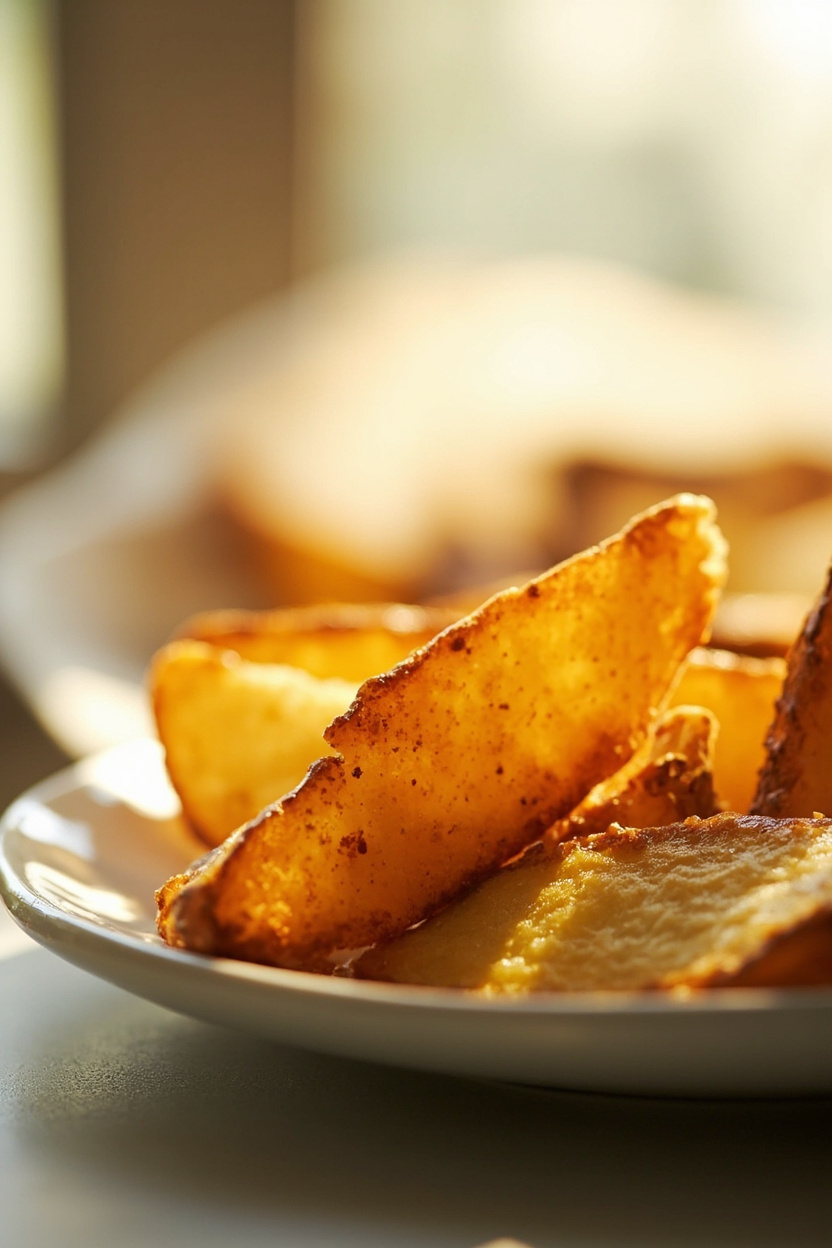
8. Roast for 25-30 minutes, flipping once halfway through. Look for deep golden edges and a crackling surface; the aroma will be nutty and roasted, with a hint of smoke from the paprika.
9. Remove from oven and let sit a minute before sprinkling with parsley and a final pinch of salt. The interior will steam lightly when cut, revealing a pillowy, tender center against the crisp exterior.
Little-Known Tricks Pros Use Every Time
Pick the Right Potato
Choose waxier varieties like Yukon Gold for a creamier interior and good structure. Starchy russets can work, but may break down more; parboil time should be shortened slightly to prevent mushiness.
Don’t Crowd the Tray
Spacing is critical. When wedges touch, they steam instead of roasting. Use two trays if needed so hot air can circulate freely and every edge gets that coveted crackle.
Use Cornflour for Crunch
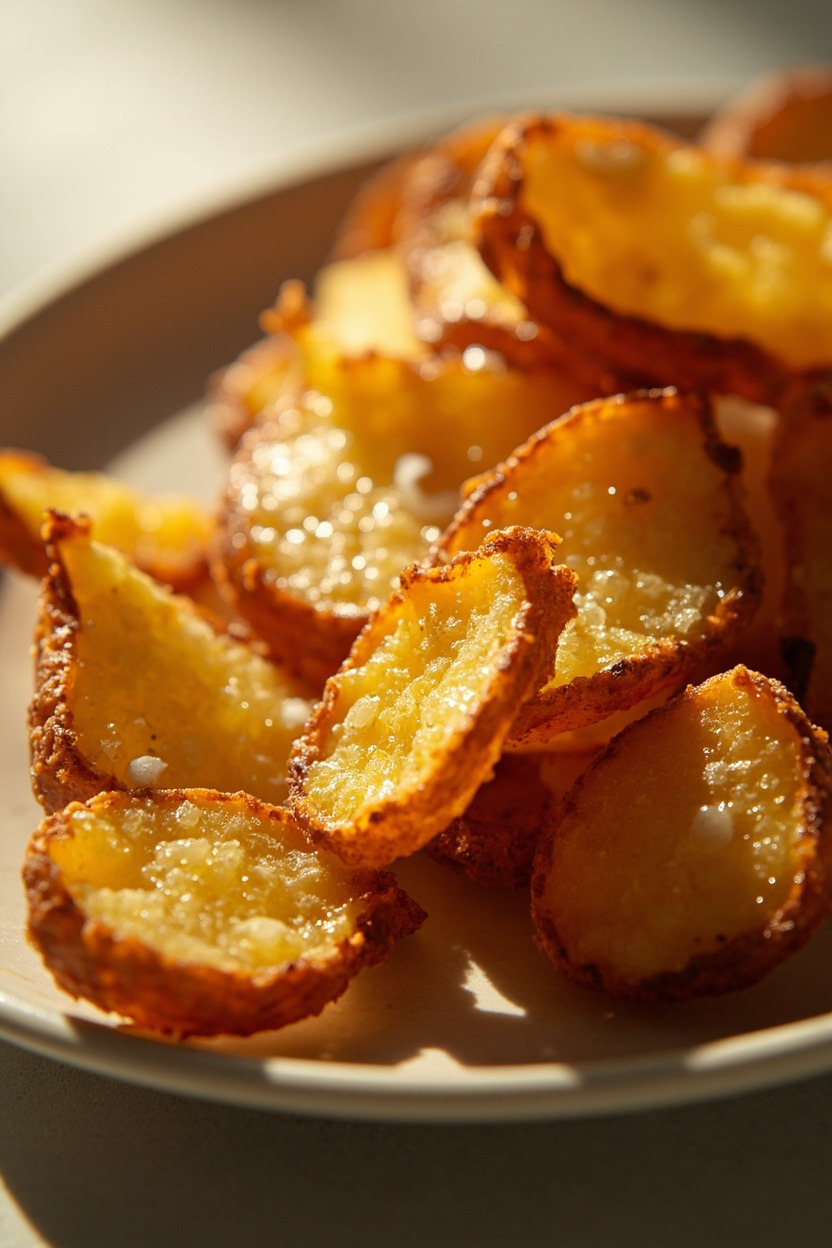
A tablespoon of cornflour is a small chemistry trick that changes texture. It absorbs surface moisture and crisps up in the oven, giving a thin, crisp shell without a heavy batter.
Finish Hot and Seasoned
Salt late for best texture and flavor. A finishing sprinkle just before serving brightens and preserves crunch. If you like heat, dust with cayenne at the end so the spice stays vibrant.
How to Store and Freeze?
- Room temperature: Serve within 30 minutes for optimal texture.
- Fridge: Store cooled wedges in an airtight container for up to 3 days; reheat in a hot oven at 200/400F to restore crispness.
- Freezer: Flash-freeze on a tray, then bag for up to 2 months; reheat from frozen on a baking sheet at 220C/430F until golden and heated through.
Seasonal Variations & Pro Swaps
The Seasonal Edge
Potato wedges hit their peak in cooler months when roasted foods feel comforting and robust. In autumn and winter, earthy root vegetables and richer sauces pair beautifully with the warm, roasted character of the wedges.
Variations
- Try rosemary and lemon zest for a bright, herb-forward twist that pairs well with roast chicken.
- Swap smoked paprika for curry powder and serve with yogurt-mint dip for an Indo-inspired version.
- For a holiday twist, toss with grated pecorino and cracked black pepper just before serving for a savory, festive finish.
- Use sweet potatoes for a sweeter, caramelized option; reduce parboil time slightly to keep wedges intact.
Frequently Asked Questions
You can, but parboiling shortens oven time and helps form that tender interior while giving the surface texture needed for crisping.
Use olive oil or avocado oil for stable performance at high oven temperatures and a pleasant flavor profile.
Reheat in a hot oven or air fryer rather than the microwave to redevelop the crust and avoid sogginess.
Yes, this potato wedges recipe is naturally gluten-free if you use cornflour and check any seasoning blends for additives.
