
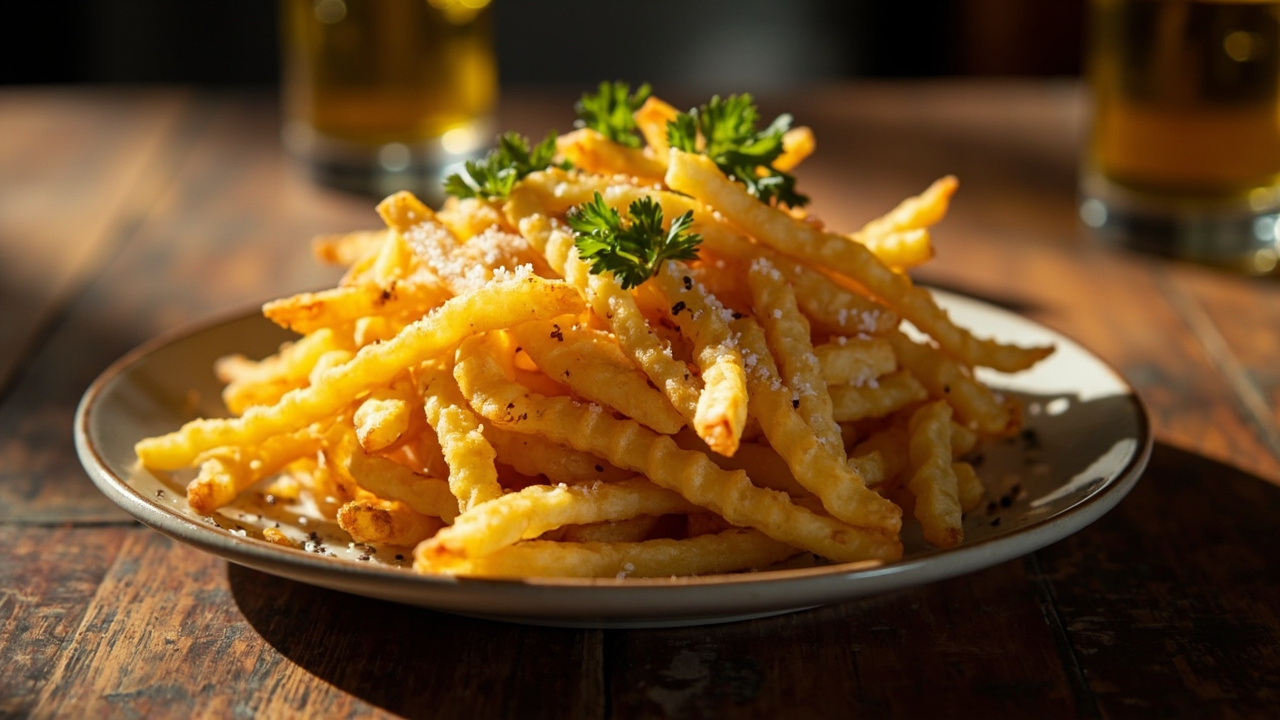
There’s a small, secret thrill in biting into crinkle-cut fries, those ridged, golden batons that sing crunch with every mouthful.
Crinkle cut fries deliver a voluptuous exterior, crisp and a pillowy interior, flavor that holds onto seasoning and dipping sauce like a charm.
They’re simple, nostalgic, and secretly gourmet when done right, which is why you’ll want to make them at home instead of settling for the frozen bag.

Crinkle Cut Fries
Ingredients
- 1 kg Russet potatoes
- 1 L cold water
- 30 g kosher salt
- 500 ml vegetable oil
- 5 g cornstarch
Instructions
- Peel and cut potatoes with crinkle cutter.
- Rinse and soak in salted water.
- Dry thoroughly.
- Blanch at 160 C for 4-5 minutes.
- Fry at 190 C until golden and crisp.
Why does this crinkle cut fries Recipe work?
The ridged profile of crinkle cut fries increases surface area, which means more crispness where the oil and heat meet the potato.
Those corrugations trap oil and seasoning between the waves, creating pockets of concentrated flavor and texture.
The double-fry technique separates cooking stages: a low-temperature blanch to gelatinize interior starches, then a high-temperature finish to create Maillard browning.
That contrast yields a fluffy center and a crunchy shell.
Choosing a high-starch potato like Russet promotes a dry, floury crumb that crisps beautifully.
Finally, removing surface starch through rinsing and soaking prevents clumping and helps produce individual, non-soggy fries every time.
Crisp-Building Blocks: What Goes Into Irresistible Crinkle Fries?
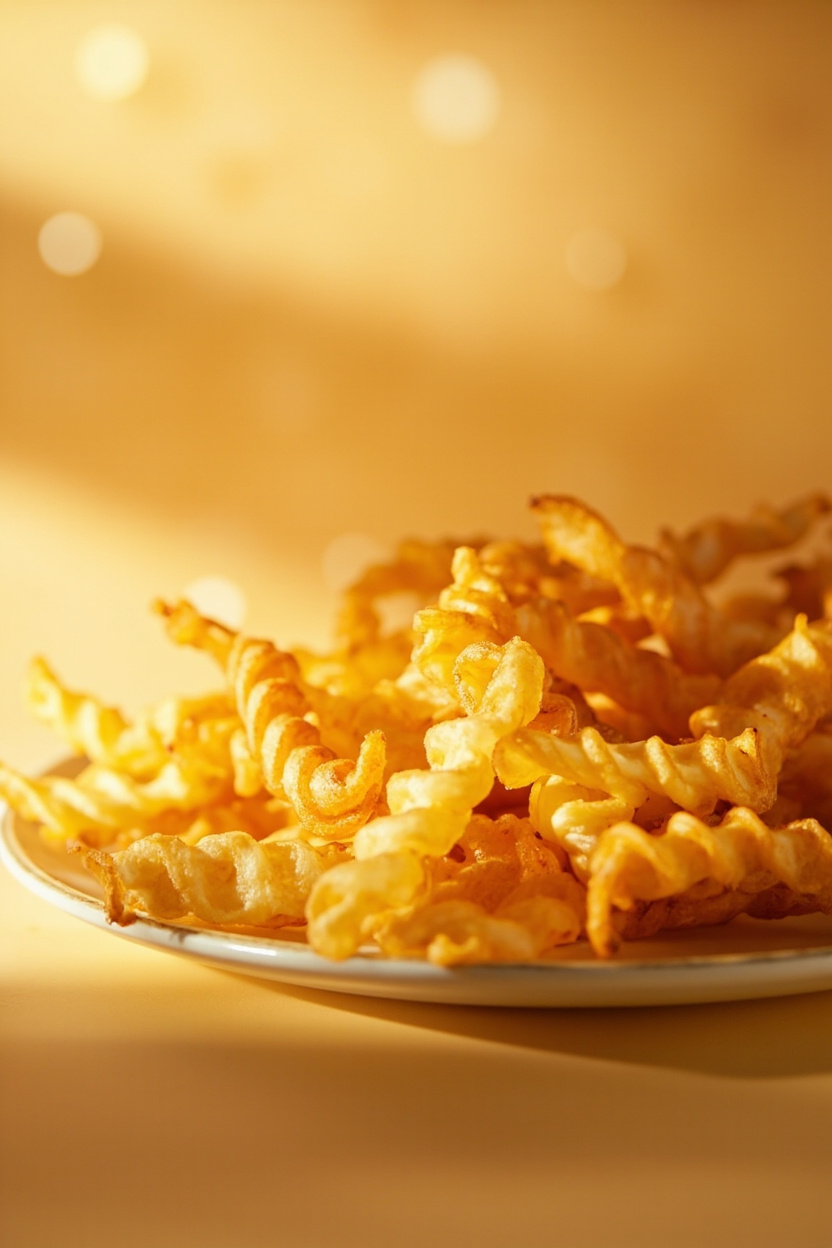
- 1 kg Russet potatoes: high starch content yields a fluffy interior and crisp exterior via lower moisture and higher amylose.
- 1 L cold water: chills and limits premature gelatinization of surface starch during cutting, which keeps fries separate.
- 30 g kosher salt: draws surface moisture, seasons the fry, and helps manage the osmotic balance for crisping.
- 500 ml vegetable oil (neutral, high smoke point): provides even heat transfer and stable frying at 190 °C without off-flavors.
- 5 g cornstarch (optional): fine starch forms a thin crust through protein-starch interactions and enhances browning.
- Extra finishing salt or fleur de sel: crystal size affects perceived saltiness and mouthfeel when sprinkled hot.
Kitchen Tools You’ll Need
- Crinkle cutter or crinkle knife.
- A heavy-bottomed pot or deep fryer with a thermometer.
- Large bowl for soaking.
- Slotted spoon and wire rack for draining.
From Curl to Crunch: How to Make Perfect Crinkle-Cut Fries?
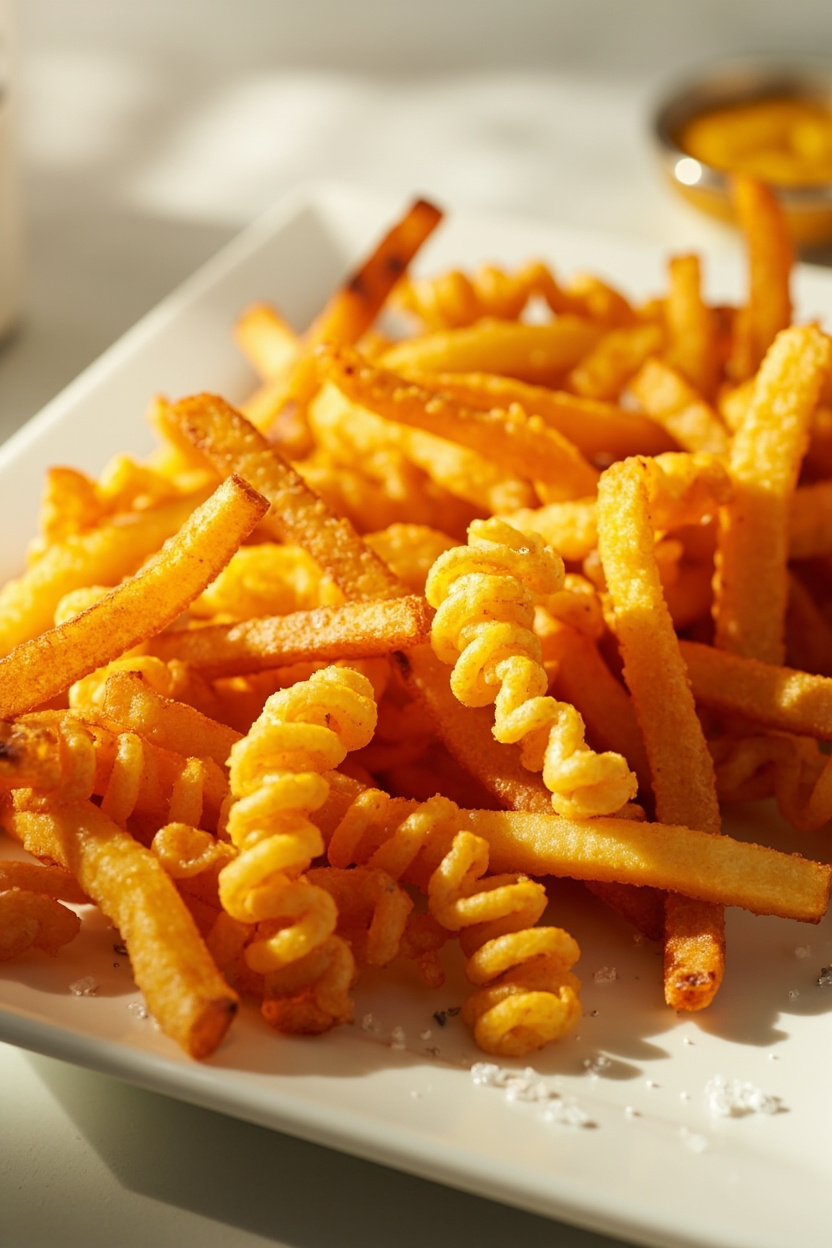
- Prepare potatoes: scrub and peel if you prefer, then slice into 1 cm thick sticks using your crinkle cutter. The ridges should be even so they crisp uniformly. You’ll notice a fresh potato scent and firm texture under your knife.
- Rinse and soak: place cut fries in a bowl of cold water and sprinkle 10 g salt. Swirl until the water clears. Soak at least 30 minutes or up to 2 hours. The water will look cloudy at first as surface starch is removed.
- Dry completely: drain and pat fries dry on kitchen towels. Any remaining moisture causes splatter and prevents crisping, so be thorough until the sticks feel dry to the touch.
- First fry – blanch: heat oil to 160 °C (320°F). Fry in small batches for 4-5 minutes until the fries are cooked through but pale. They’ll feel tender when pierced. Remove and drain on a wire rack to cool; aromas will be subtle and sweet.
- Rest: let the blanched fries cool for 10-15 minutes. This rest firms the interior and allows surface moisture to evaporate, setting you up for a crisp finish.
- Second fry – finish: raise oil to 190 °C (375 °F). Fry batches until deep golden and crackling, usually 2-3 minutes. The sizzle should be brisk, and the smell nutty and caramelized.
- Drain and season: transfer to a rack or paper towel, sprinkle with salt while still hot to adhere. Taste a crisp ridge and tender heart in every bite.
Pro Secrets for Forever-Crispy Crinkles
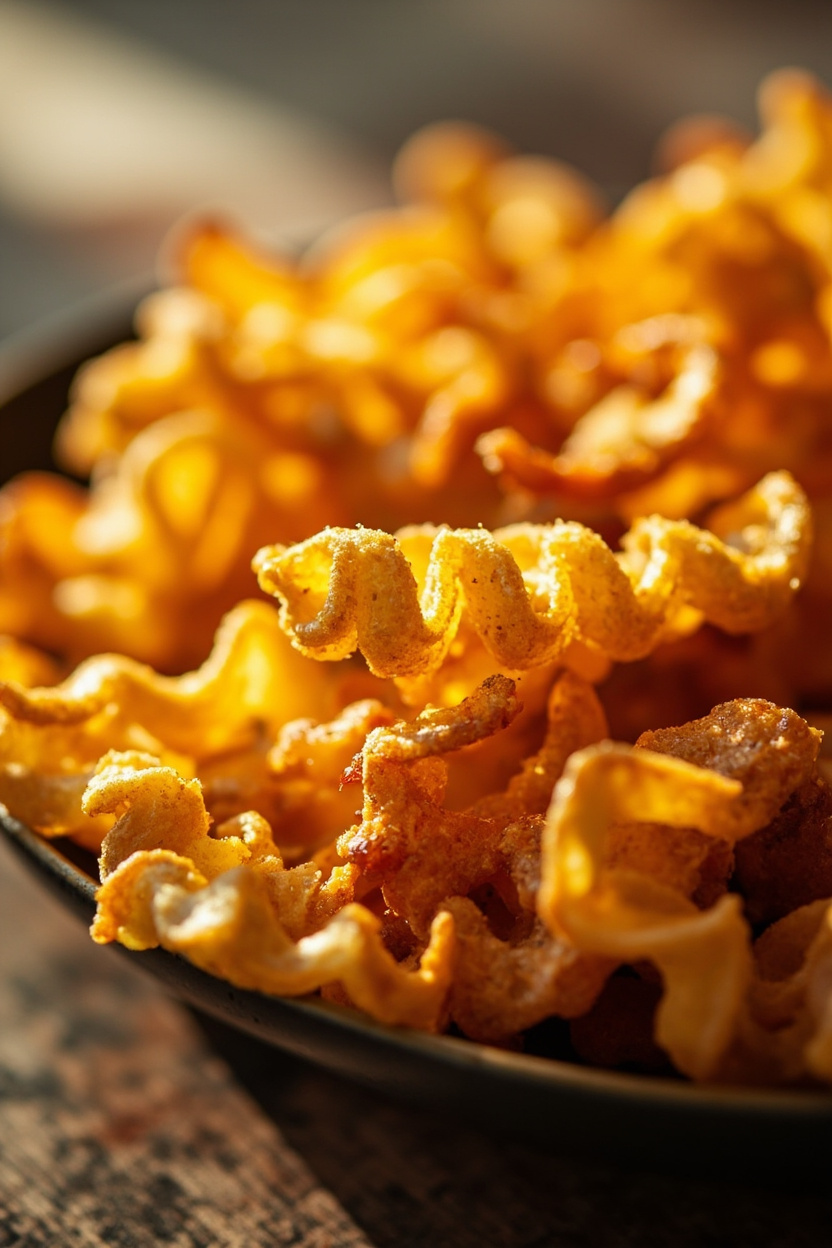
Hot Oil, Calm Hand
Maintain precise oil temperature with a thermometer. Lower temps yield greasy fries, while too hot will burn before the interior cooks.
Use small batches so the oil temperature recovers quickly, ensuring consistent browning.
Soak to Release Starch
Soaking removes surface starch and prevents fries from forming a glue-like exterior. If you’re short on time, a 30-minute soak still improves texture dramatically.
For the longest storage life, pre-blanch and freeze before final frying.
Salt at the Right Moment
Salt immediately after frying while the fat is still warm, so crystals cling to the ridges.
For an extra layer of texture, toss with finely grated Parmesan or smoked paprika straight out of the fryer.
Optional Cornstarch Trick
Lightly toss dried fries with a teaspoon of cornstarch before the first fry for a visibly crispier crust.
Use sparingly to avoid a powdery mouthfeel; the starch forms a delicate, crunchy film when fried.
How to Store and Freeze?
- Room temperature: Serve fresh within 15 minutes for peak texture. Fries soften quickly as steam redistributes moisture.
- Fridge: Store cooled fries in an airtight container up to 2 days. Reheat in a 220 °C oven for 6-8 minutes or toss in a hot skillet.
- Freezing: Blanch, cool, freeze in a single layer on a tray, then transfer to a bag. Finish-fry from frozen at 190 °C until golden; no thawing needed.
Seasonal Variations & Pro Swaps
The Seasonal Edge: crinkle cut fries shine year-round, but they pair especially well with summer barbecues, where their texture stands up to bold sauce, and winter stews, where they provide a contrasting crunch.
In summertime, the increased outdoor heat makes frying easier outside; in winter, the comforting warmth and aroma are an added treat.
Variations: Try rosemary and garlic tossed with hot fries for an herbaceous twist. Swap sweet potatoes for a sweeter, softer interior and a darker caramelized crust.
Make truffle crinkle fries by finishing with truffle oil and shaved Parmesan for a luxe version. For a holiday twist, dust with smoked paprika and serve alongside roasted meats.
Frequently Asked Questions
Yes, but Russets give the best crisp-to-fluff ratio. Waxy potatoes stay firmer and yield less fluffy centers.
Double-frying is the most reliable way to get a fluffy inside and a crisp outside, but you can oven-roast for a lower-fat option.
Keep warm on a wire rack in a 100 °C oven; avoid stacking, which traps steam and softens the fries.
Season after frying for best adhesion; if you add spices pre-fry, they may burn at high temperature.
